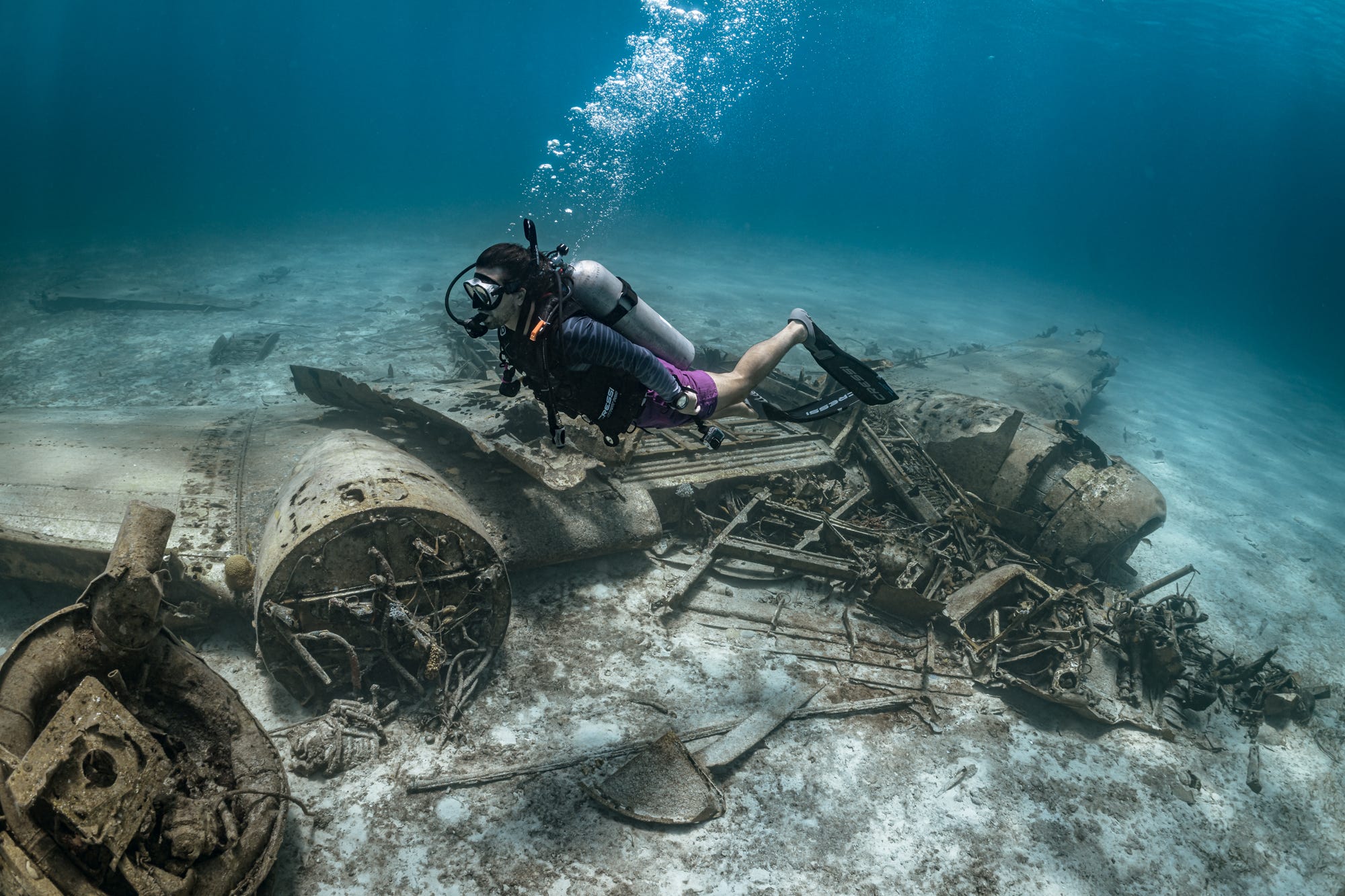

It’s not that I dislike neoprene per se. It’s just that when I put a wetsuit on, it looks as if someone has filled a bin liner with yoghurt and given it the gift of life. I become a little self-conscious. Combine that with a fear of fish and a primitive sense that the Big Drink isn’t a place for the gill-less and you begin to grasp my long-standing aversion to scuba. But like all trauma, integration is key, so I went to Rio de Janeiro to die…ve.
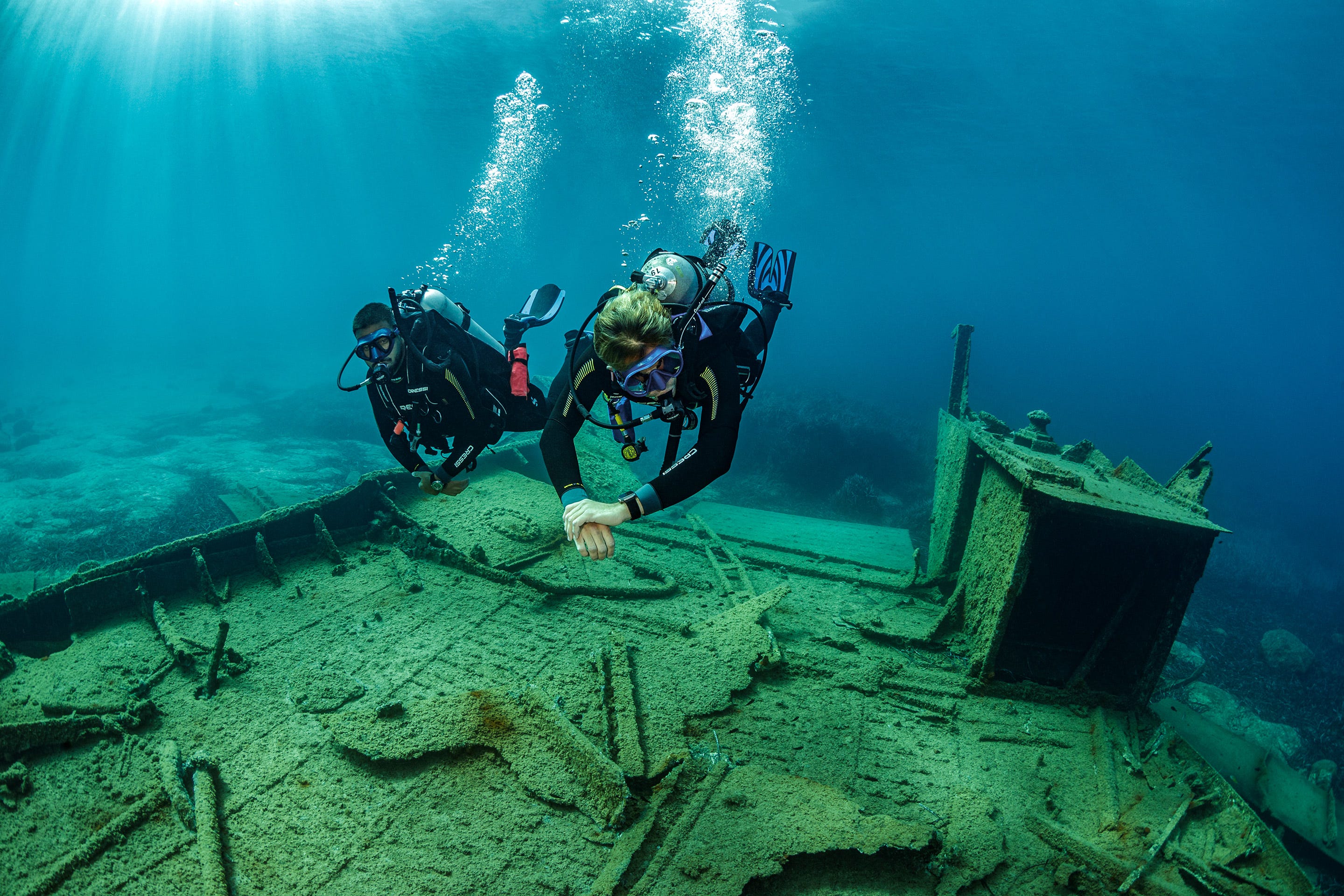
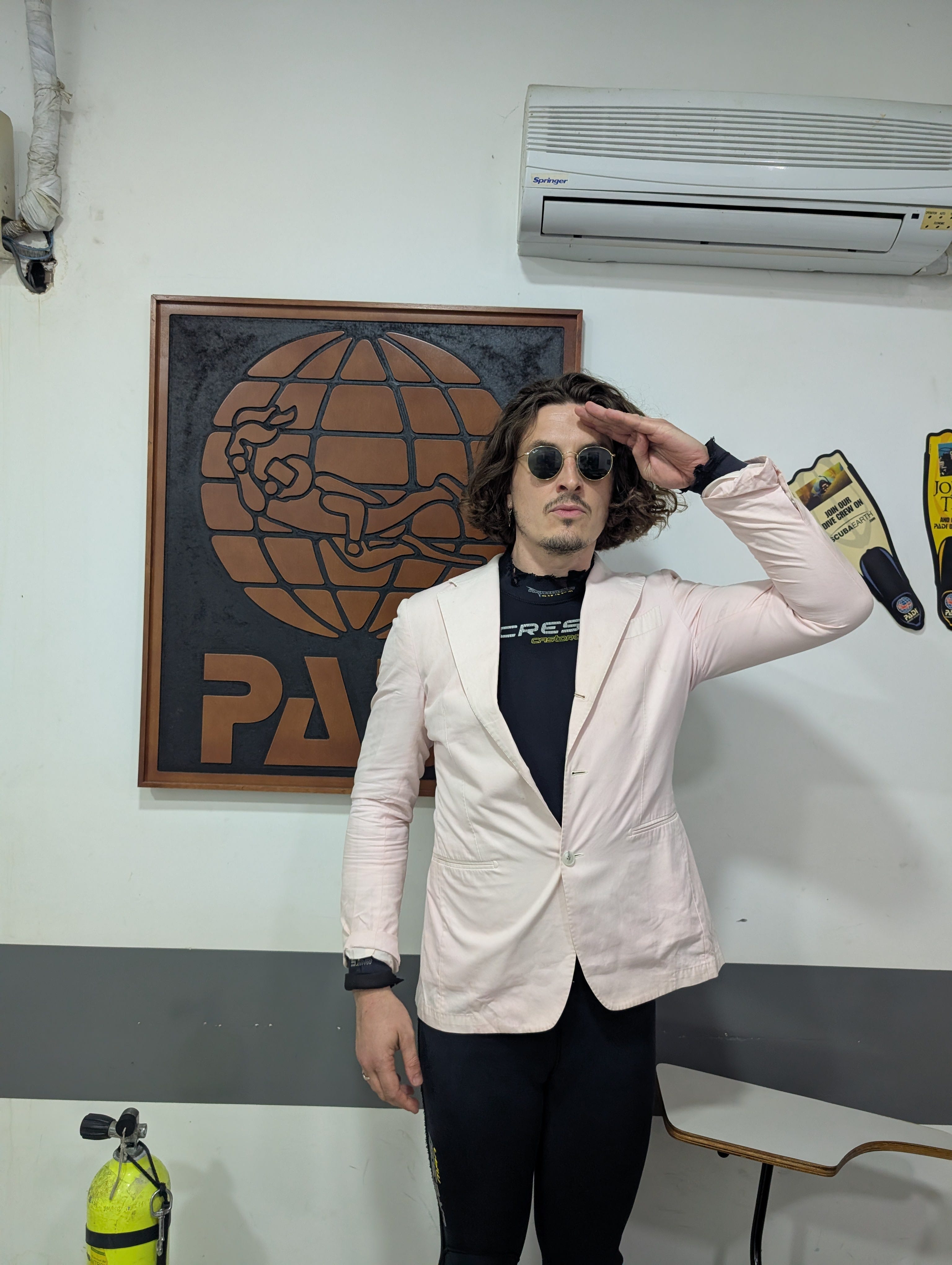
Actually, I went for Carnival. Ciprianis and twerking. But it happens that Brazil’s dive scene is having a moment. Locals are plunging in their droves and yet few gringos know of its charms. Brazil’s marine biodiversity is superlative: 9,100 identified species and counting. The state of Rio has some of the country’s most varied underwater topography – reefs, caves, wrecks and submerged islands form a Disneyland for divers.
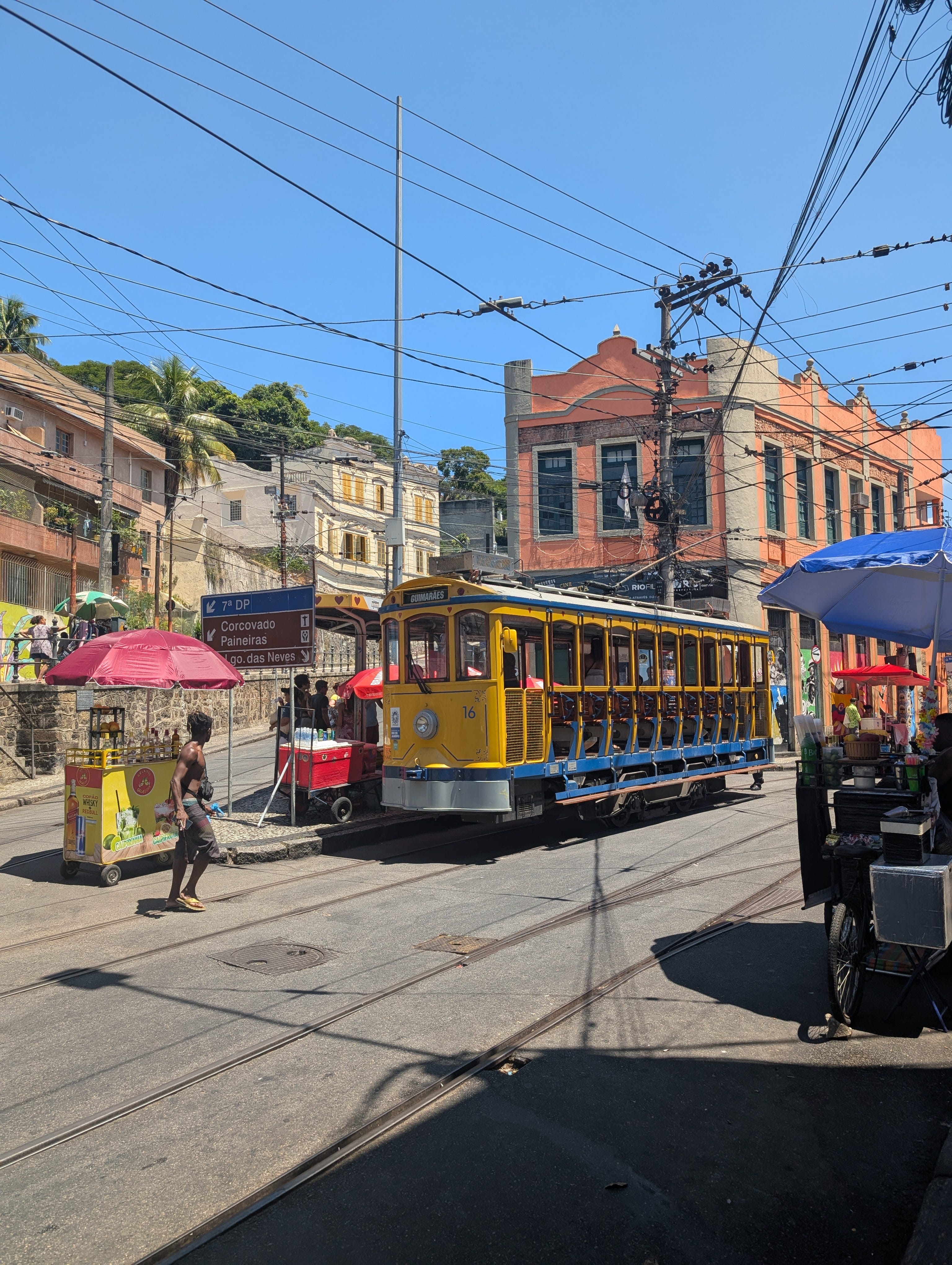
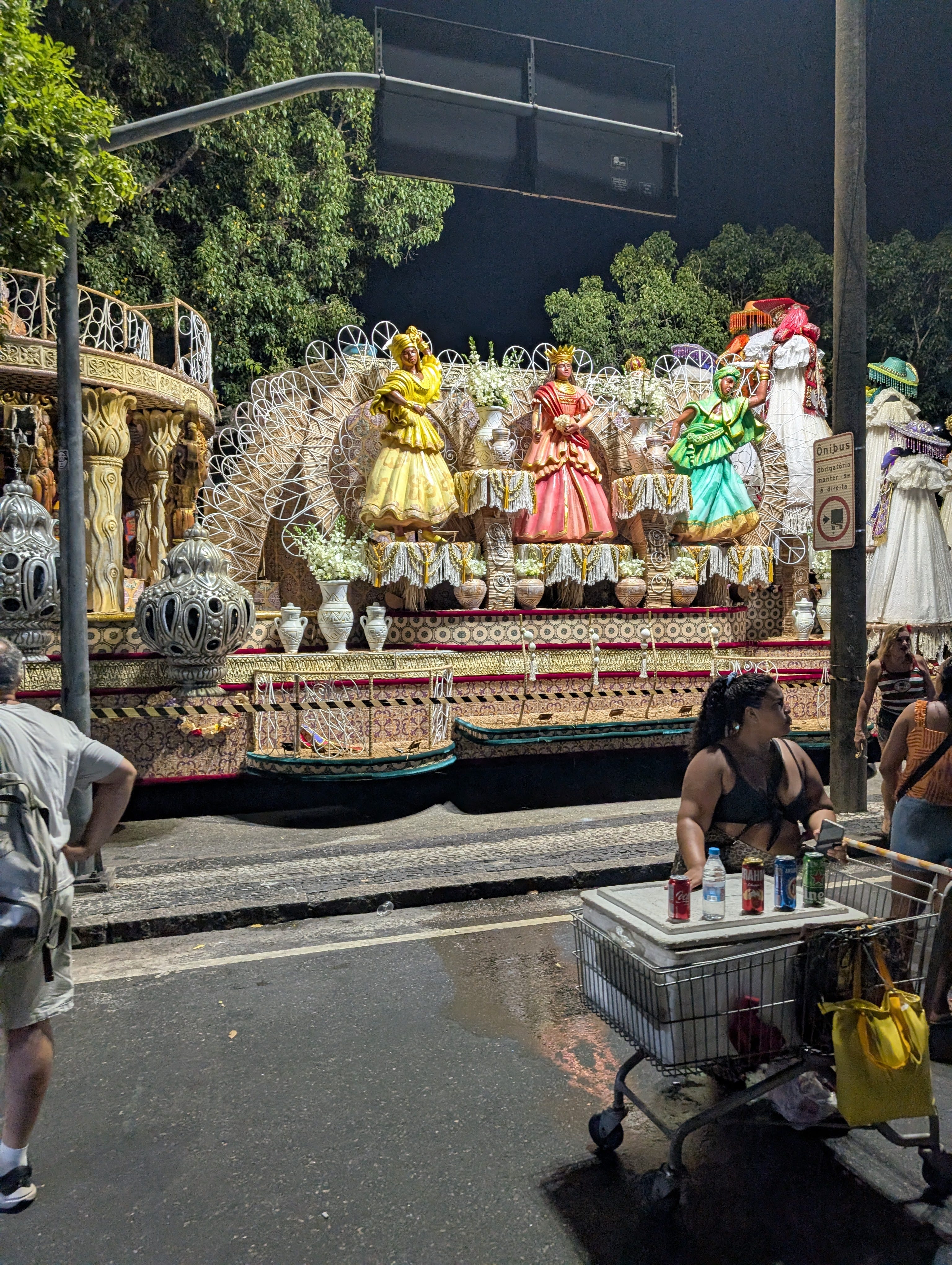
PADI, diving’s best-known diploma mill, got in touch and suggested I attempt their Open Water Cert in Brazil. Scuba’s golden ticket, it lets you descend 18 metres unchaperoned. Without it, you are but a lowly snorkeller. To raise the stakes, I’d also attempt to dive on a shipwreck – within a week.
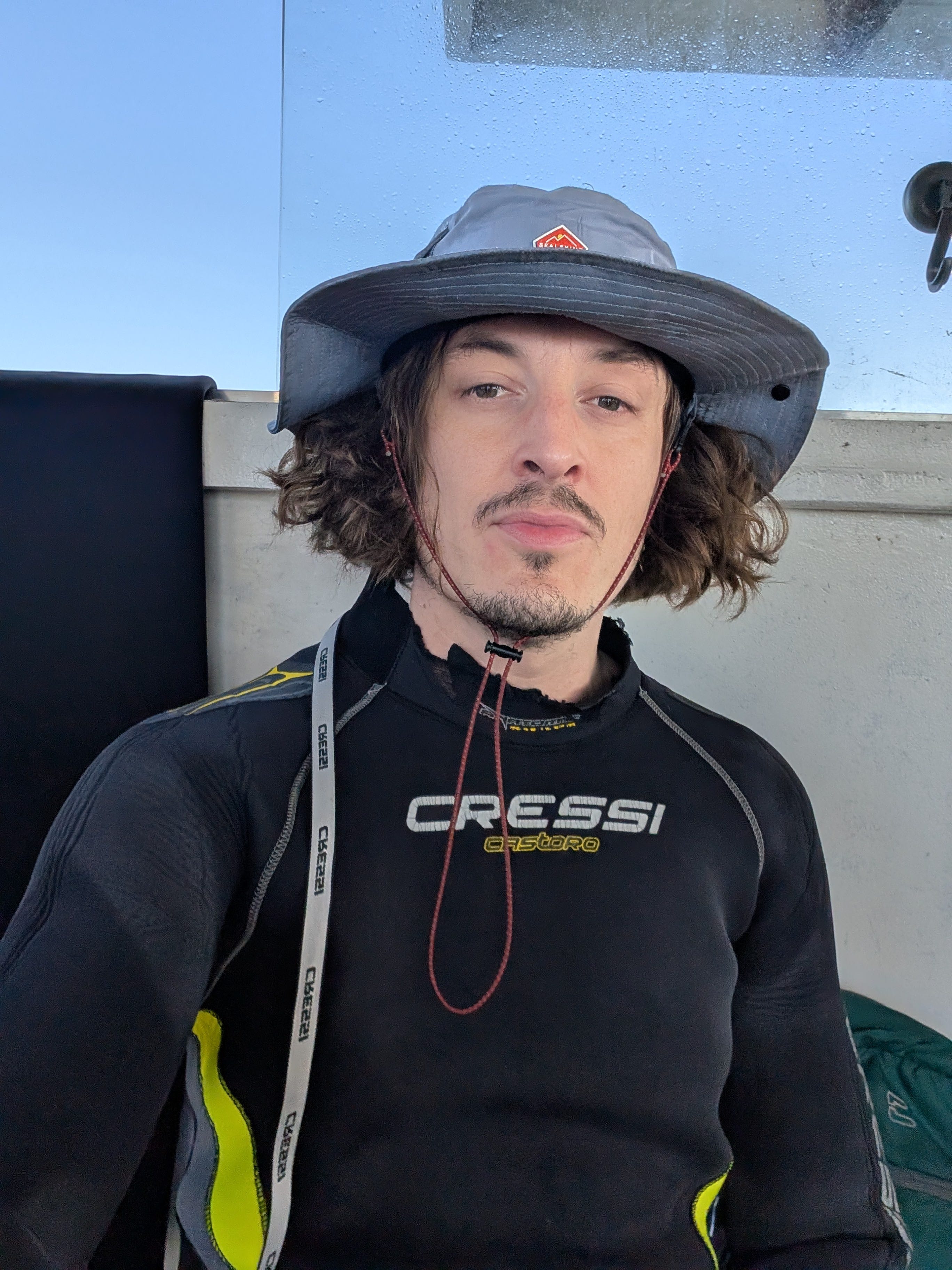
Training began the morning after a fairly biblical night in Rio’s Lapa district, so the thought of immersion was almost welcome. Mar do Rio marina, home to the dive school, felt like a sanctuary. Forewarned that I might be a wimp, they’d deployed Pascal, their gentlest, most lovely dive dad. He found me the only double-XL wetsuit in South America and I waddled over to the training tank.
The setting was unlikely – a giant baked bean can of a pool surrounded by beeping forklifts and bronzed yachters. In one lapse of focus, I looked up at Corcovado and watched the clouds part to reveal JC himself, open armed and benevolent. Surely a good sign?
Pascal carefully explained the kit, signals and safety checks. “The most important gesture is ‘Everything is OK’,” he said, forming a neat circle with thumb and finger. That’s about all I remembered as we plunged in. Clearing my goggles underwater was oddly satisfying and the rest was surprisingly straightforward. Perhaps I was a natural. Perhaps I was the new Cousteau.
That evening, my improved odds of survival felt worth celebrating. We dined at Fogo de Chão, a slick churrascaria where skewer-wielding waiters carve meat till you say stop. “It’s the best way to undo all the benefits of exercise,” said one, free-pouring port from a rehoboam.
Day two, we returned to the tank for longer, deeper dives. I wasn’t quite as gung-ho and had a wobbly moment during an exercise simulating regulator failure. The urge to bolt surfaced, briefly, then passed. I breathed, gestured a shaky ‘OK’, and carried on.
My digs were at the vaunted Fasano, Rio’s hottest hotel. Ten minutes on its rooftop terrace, cocktail in hand, and you see why. Sugarloaf, Ipanema and the setting sun frame a very forgiving world. But Carnival beckoned. So, out we went, chasing blocos. My tip: Sargento Pimenta, where an orchestra plays samba versions of Beatles bangers.
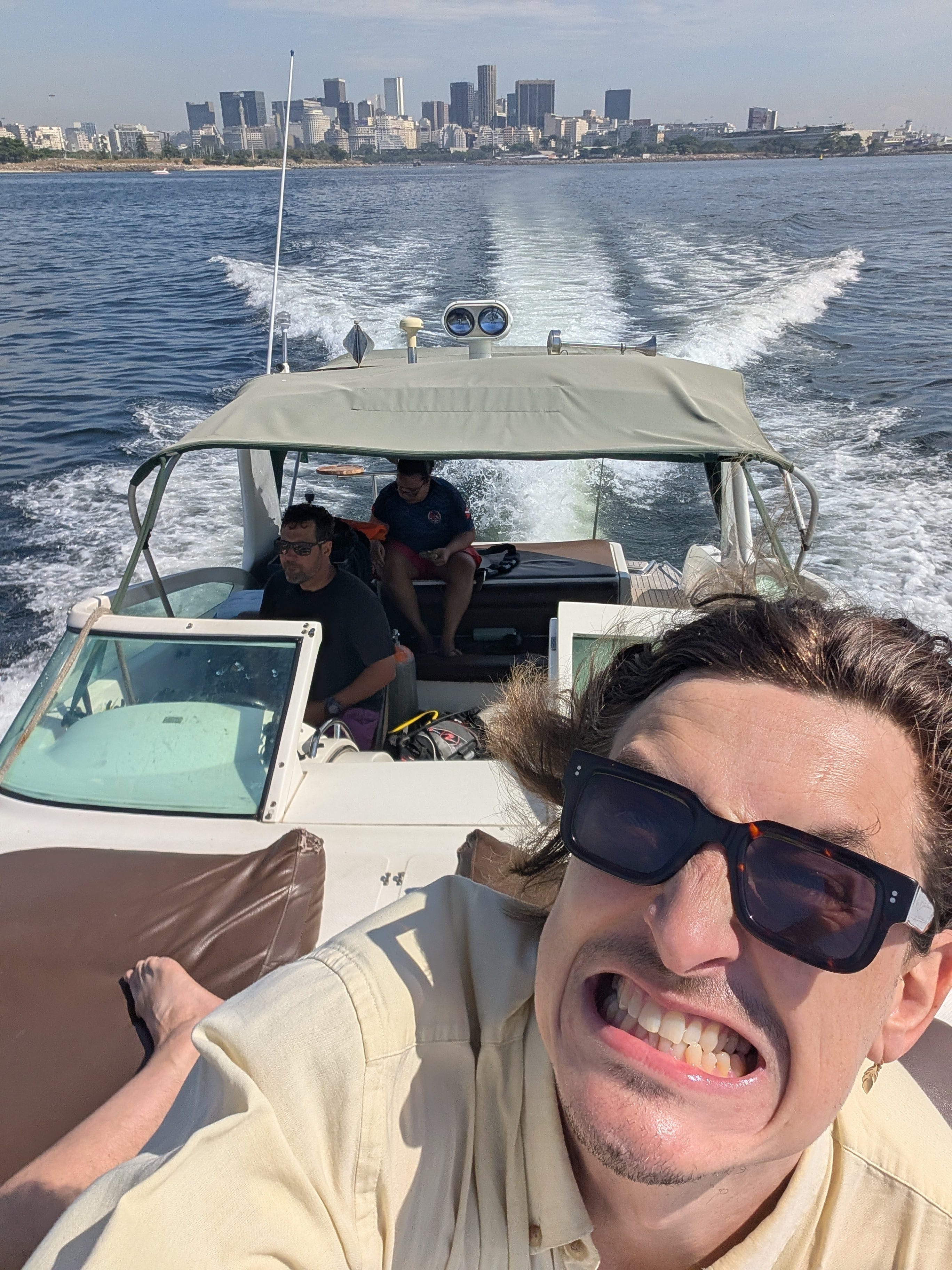
Day three was at sea. I was late and had to leap aboard. The boat was full of twitchy beginners. This was it: the big bad blue. The temperature was low – 16°C – and visibility wasn’t great. Still, I tried to enjoy Rio’s coastal drama from the top deck.
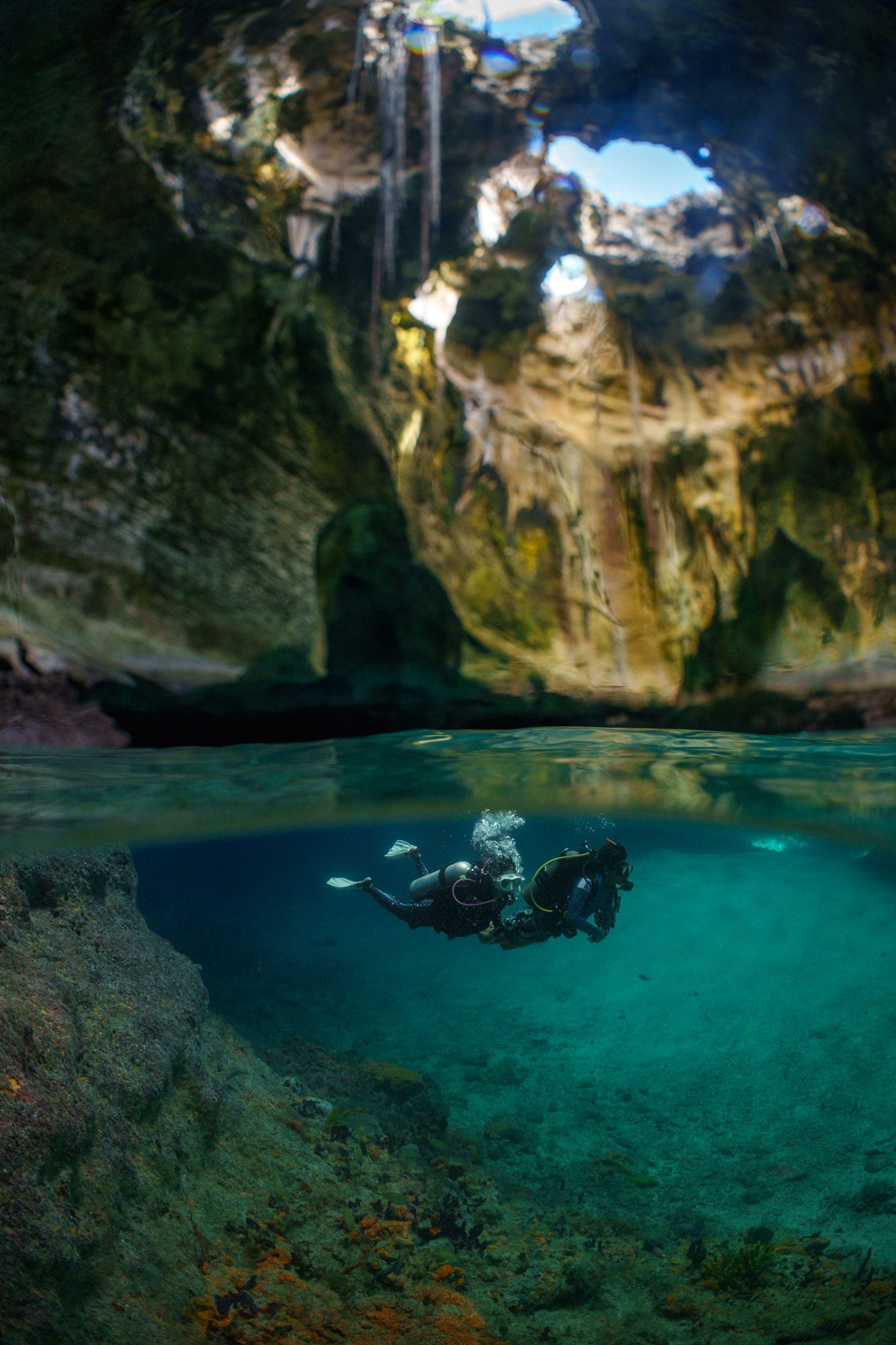
We anchored off Ilha Comprida, a wild island patrolled by frigatebirds. My first jump in wasn’t unlike leaping from a plane. Faith is required. The kit is heavy and your instincts scream “sink”. But, as promised, I bobbed like a buoy and awaited instructions.
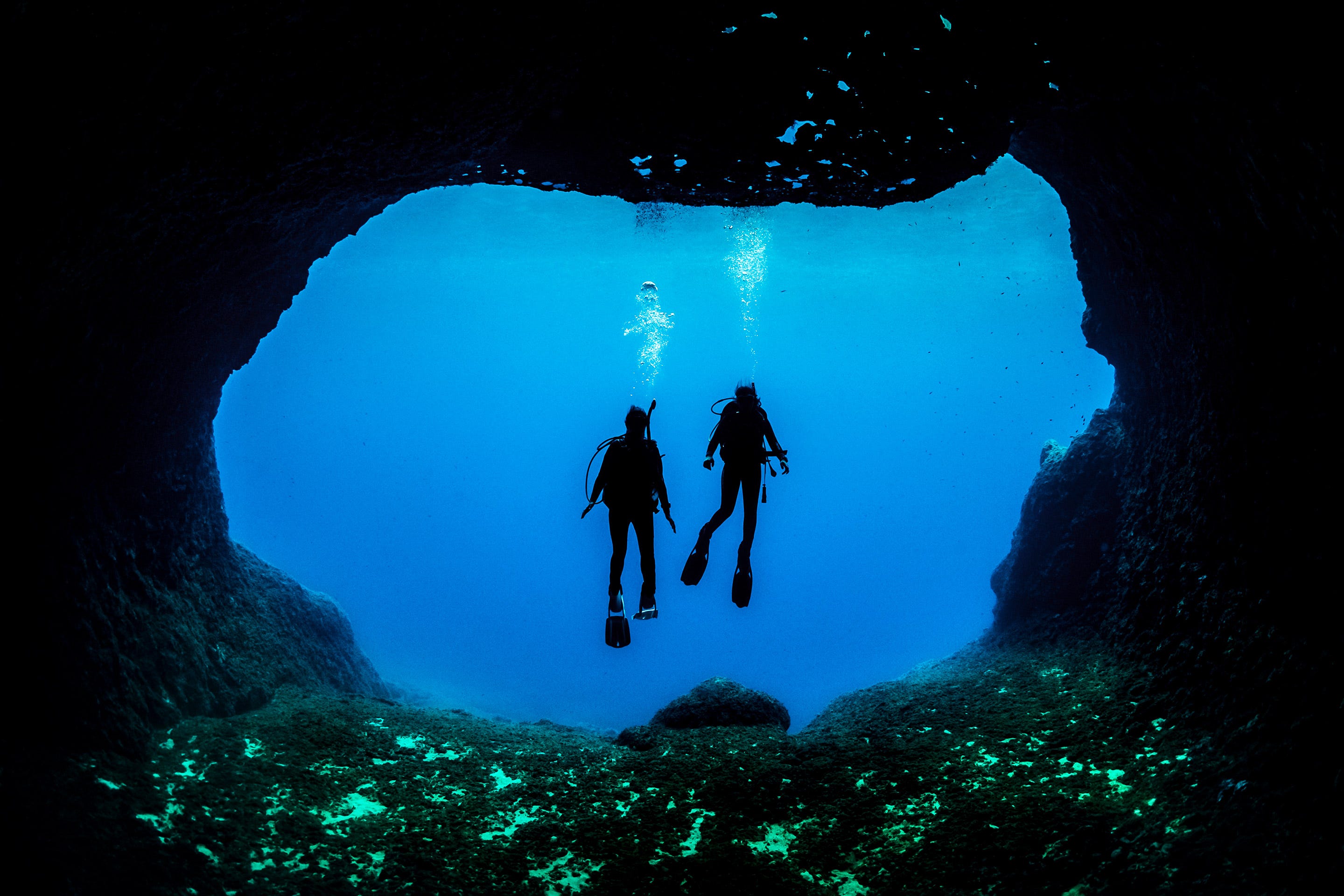
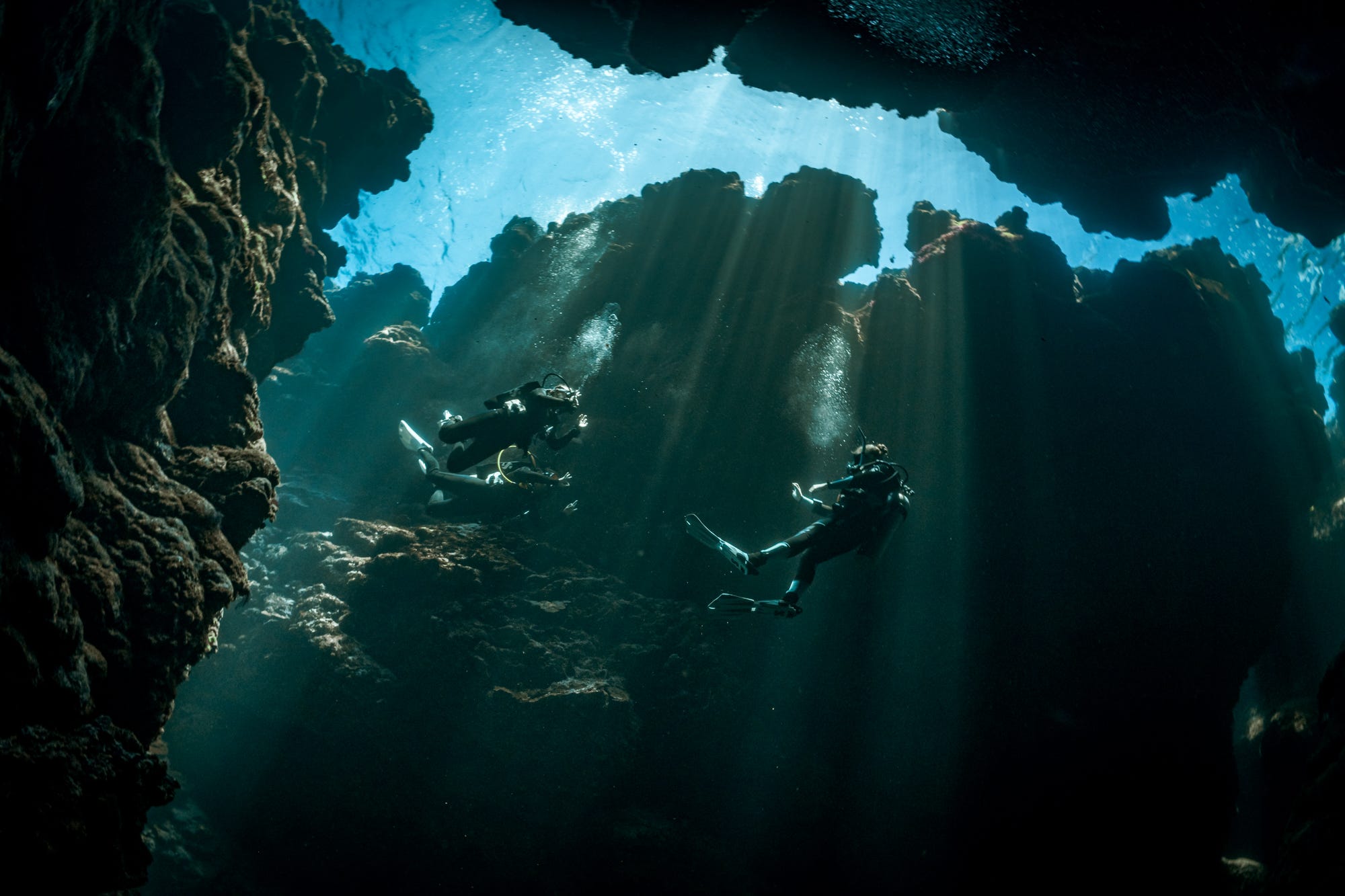
We pressed the button to release air from the gilet and slipped downwards, following a white rope into gloom. My heart thumped like Bonham’s snare. “Equalise ears. Follow Pascal.” The cold ached across my forehead, the fear close behind it. But by the time we reached the seabed, the panic had eased. My breathing slowed. The tasks went fine.
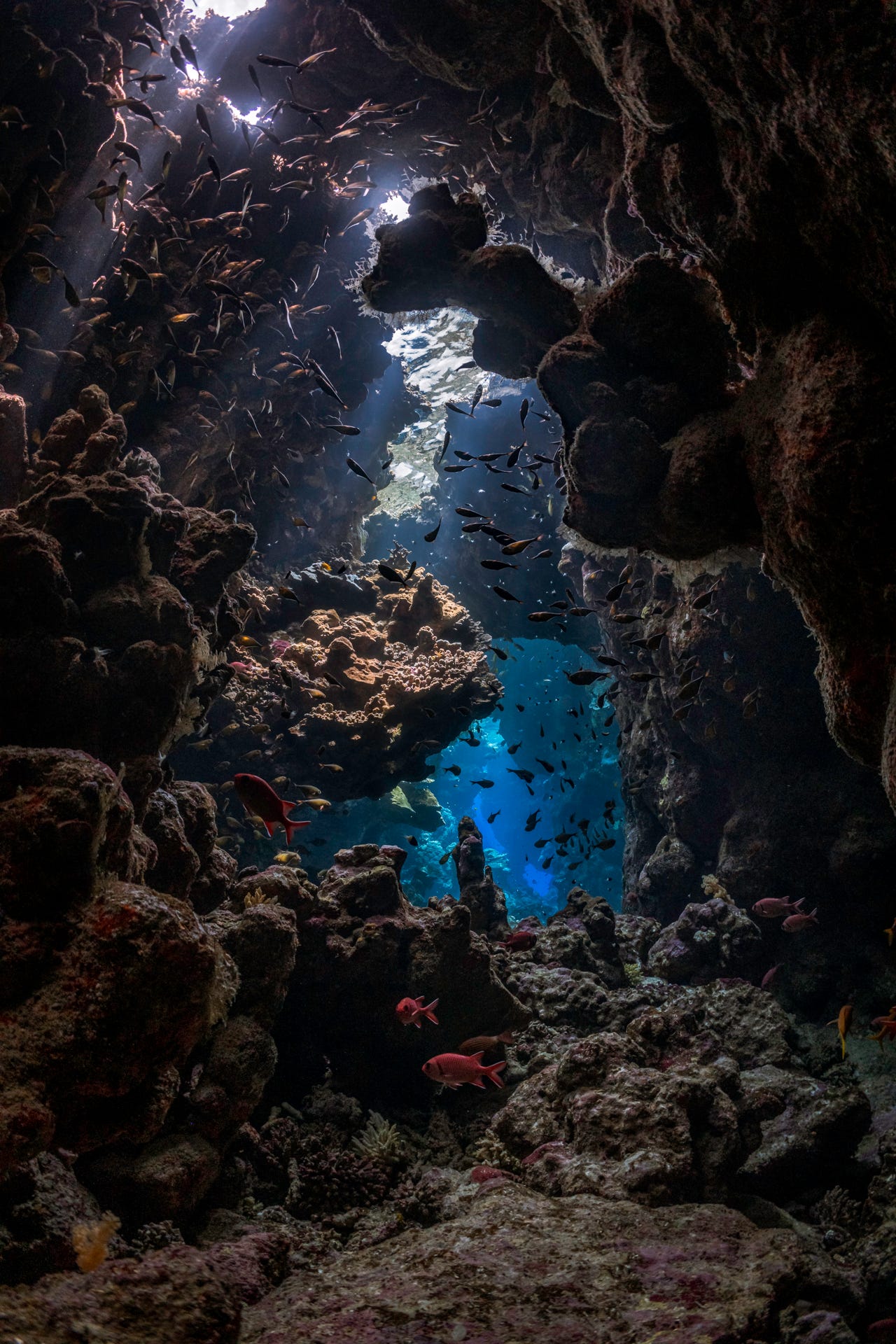
Later, we drifted through schools of sergeant majors, trumpetfish and angelfish flashing carnival colours. But nothing beat the green turtle, gliding slow and perfect through the rocks. That’s when I got it – why people dive.
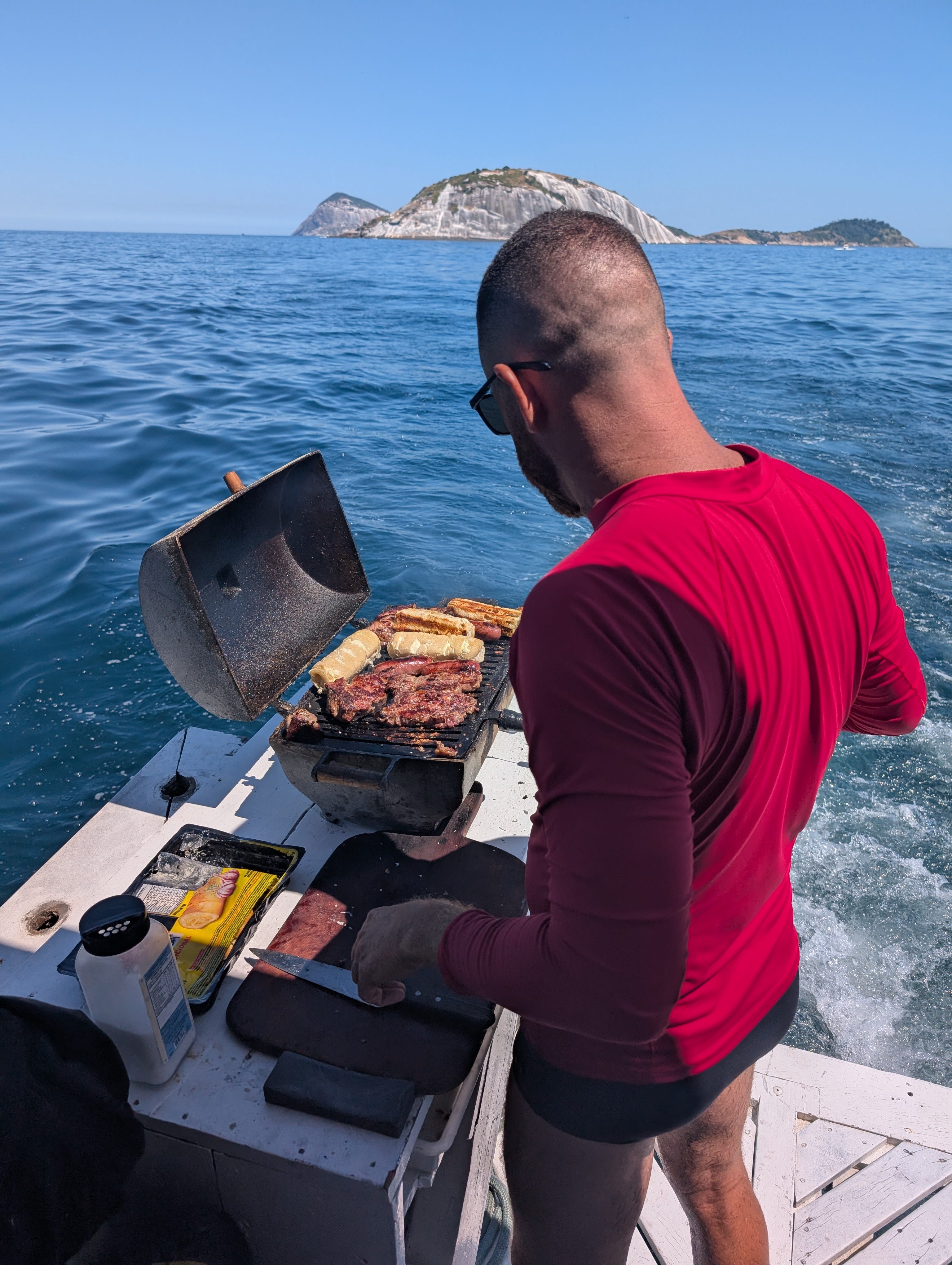
On the sail back, snarfing salty sausage, Pascal said: “Sometimes I go down with a question and come back up with an answer.” I couldn’t quite claim the same, but the usual rolodex of worldly woes had stopped spinning. That was enough. That was also the day I gave up smoking. Haven’t puffed since.
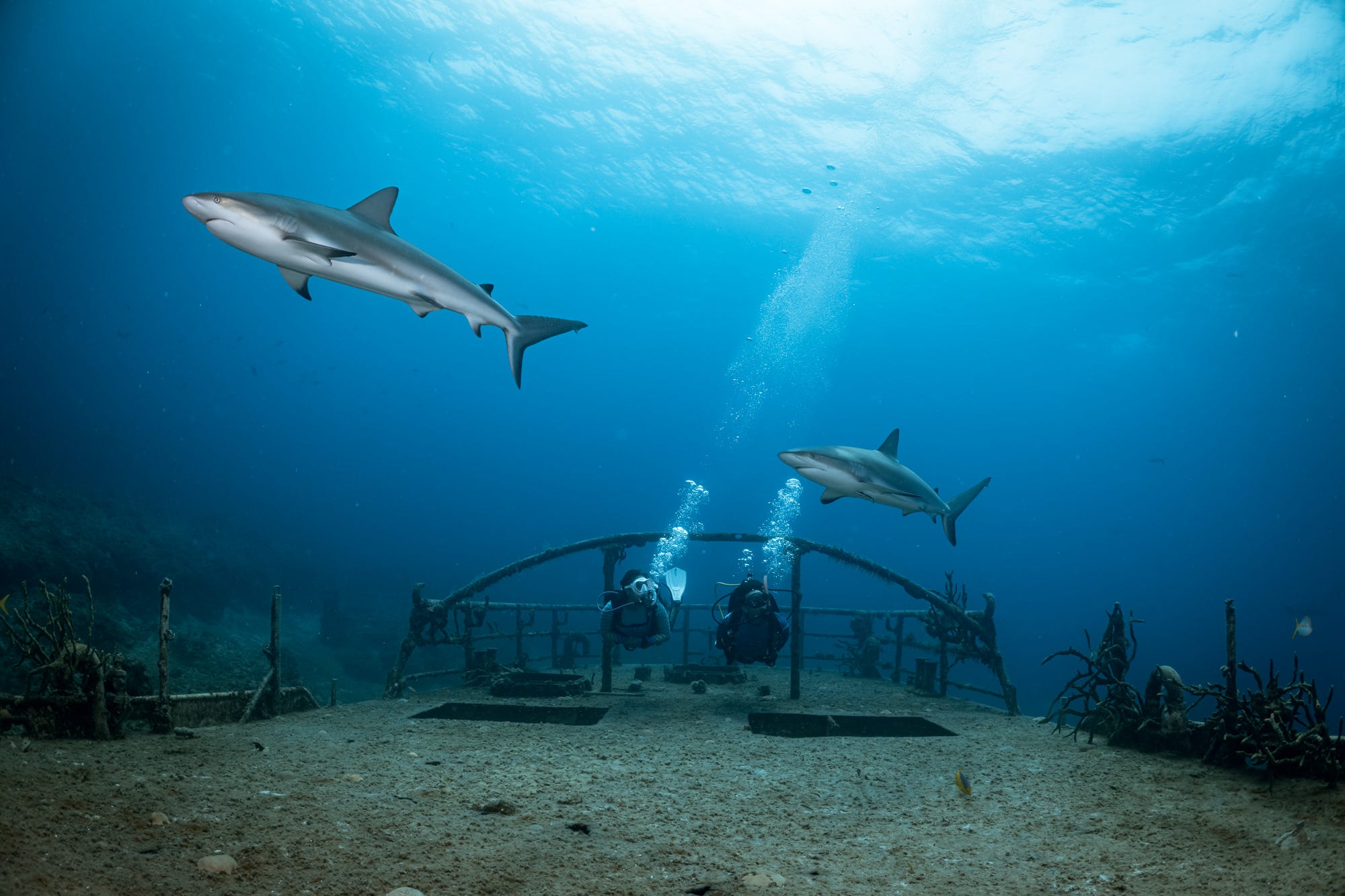
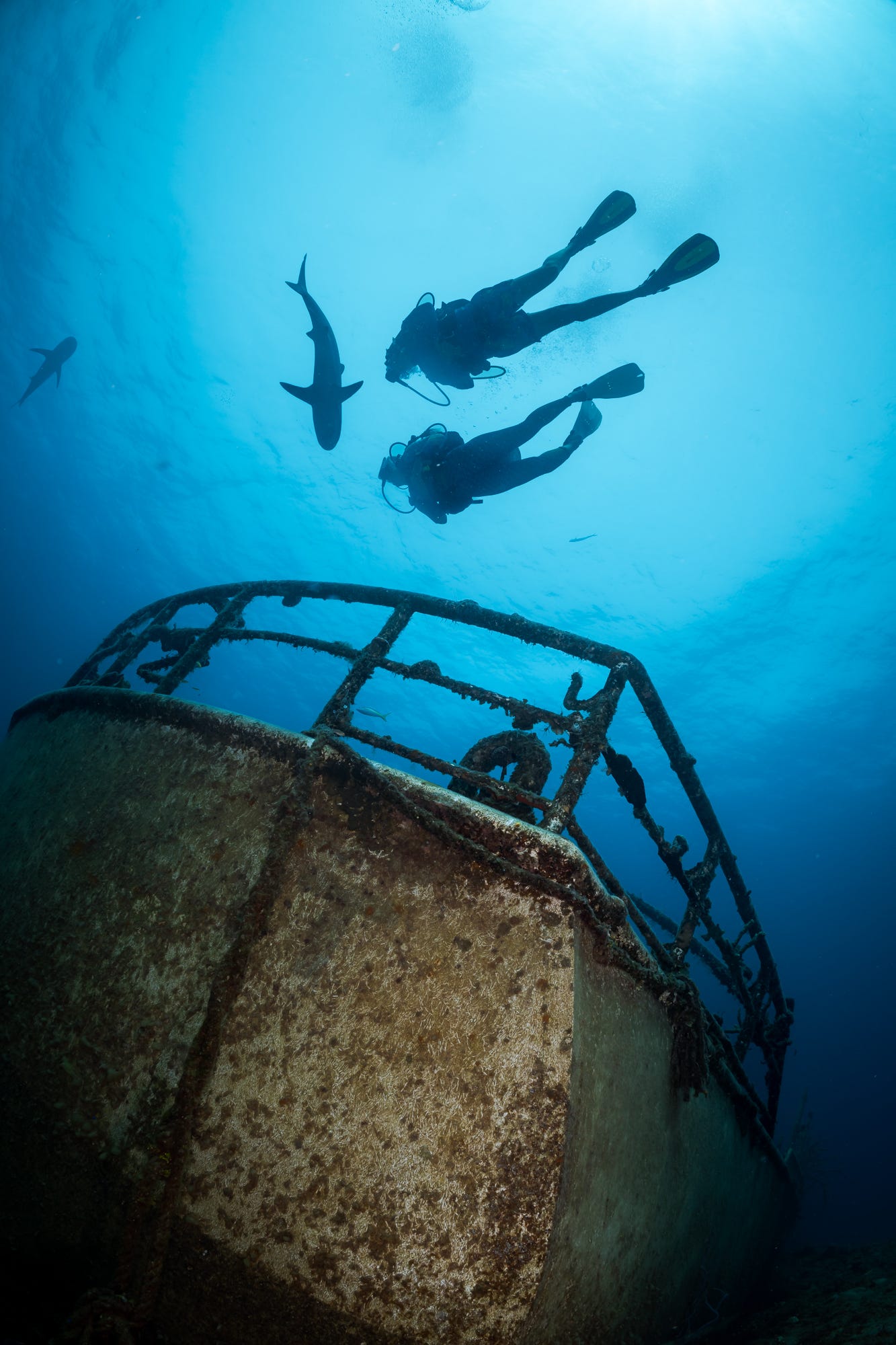
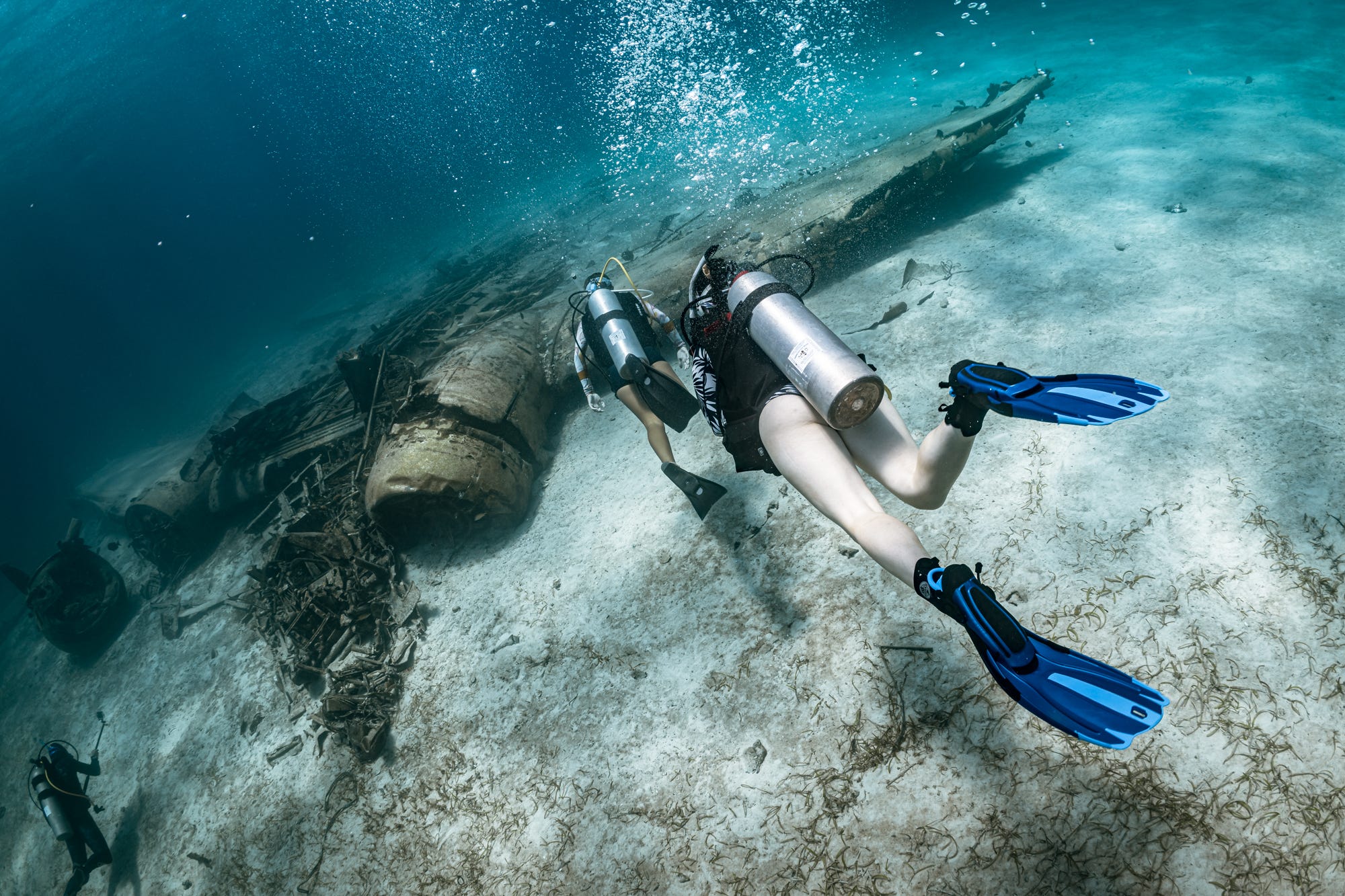
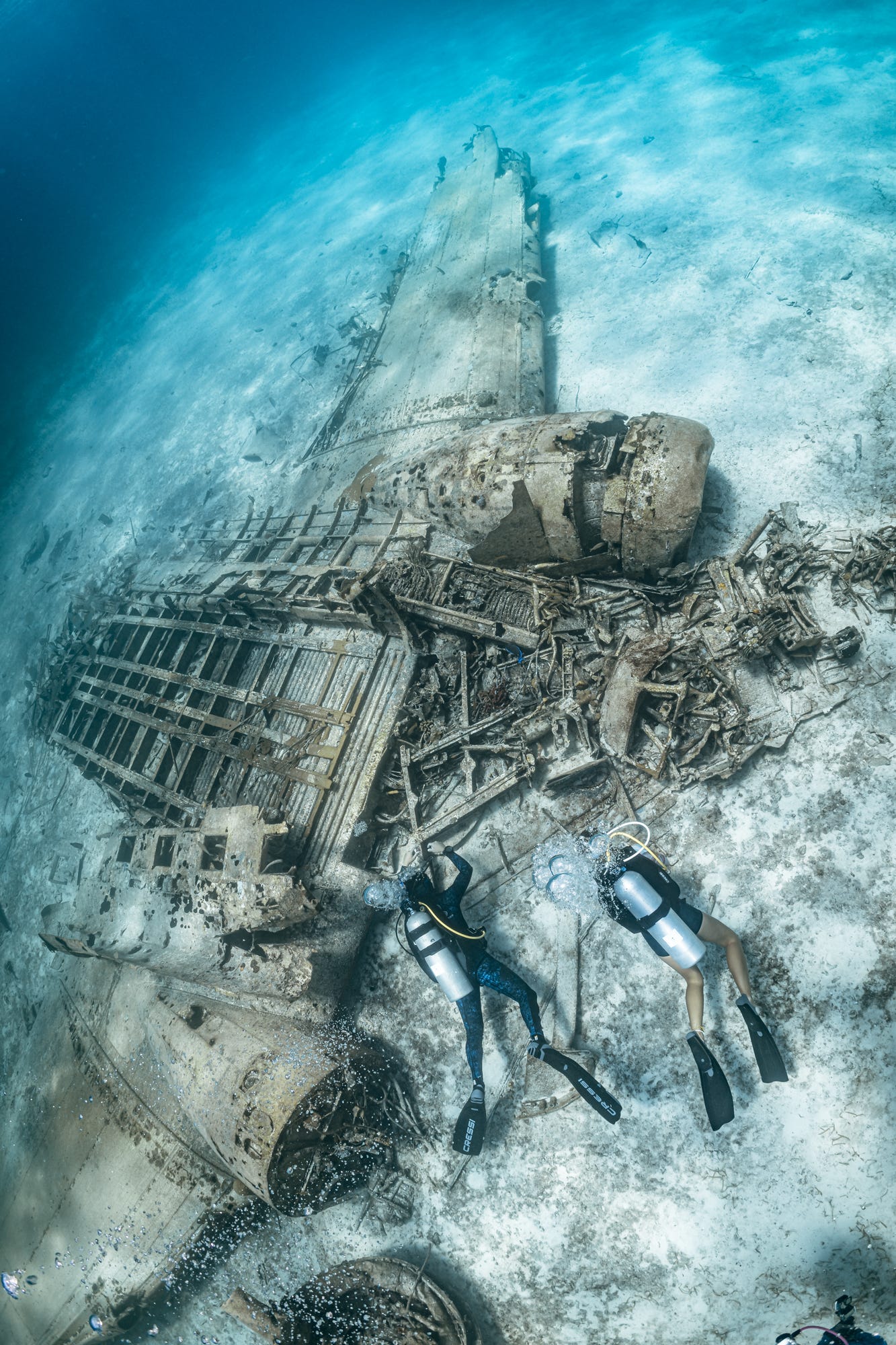
Back on land, poor water conditions ruled out the wreck dive in Rio. Luckily, our next stop down the coast – Angra dos Reis – offered another shot. I booked in at Pousada Jamanta, a family-run hotel and dive school, and set out across the emerald waters to the Pinguino – a Panamanian cargo ship that sank in 1967.
The same squeaky-bum scariness returned as we suited up. But there was no way I’d miss this. We descended. The wreck emerged, vast and ghostly. Nothing I’ve done compares.
At one point, my instructor’s foot knocked the regulator from my mouth. I didn’t panic. I channelled Pascal and made a wide arm sweep to catch and reinsert it. Later, we entered the wreck itself and swam through a corroded hole. I corkscrewed unnecessarily, just in case someone was watching.
The next day, homeward bound via São Paulo, we stopped at the box-fresh Pulso Hotel for breakfast and a spa. Polished concrete, tropical planting and lazy beats from hidden speakers. We floated between loungers and the pool and let the salt lift from our skin.
“So, are you going to dive again?” my gal asked. “Only if Pascal’s free.”