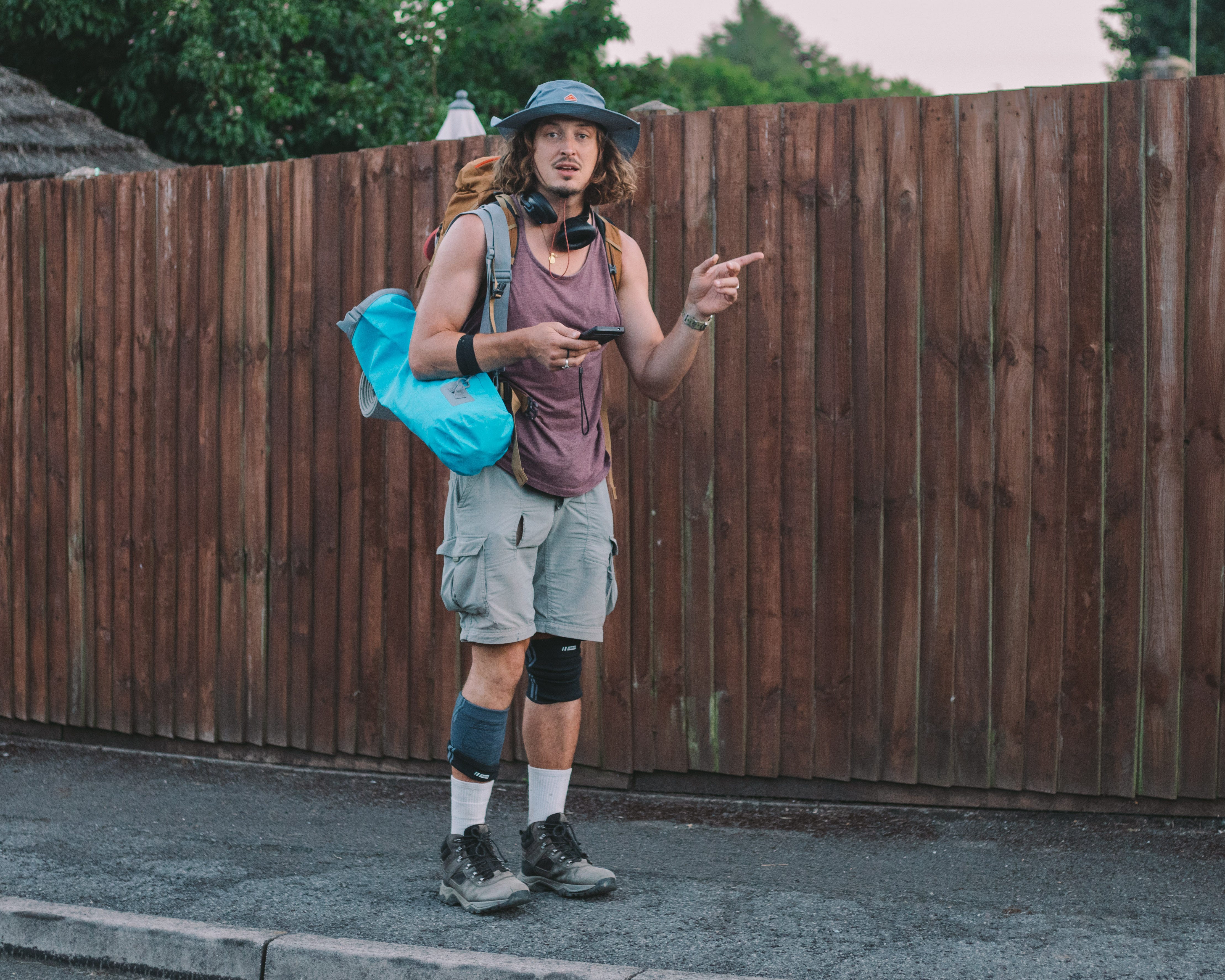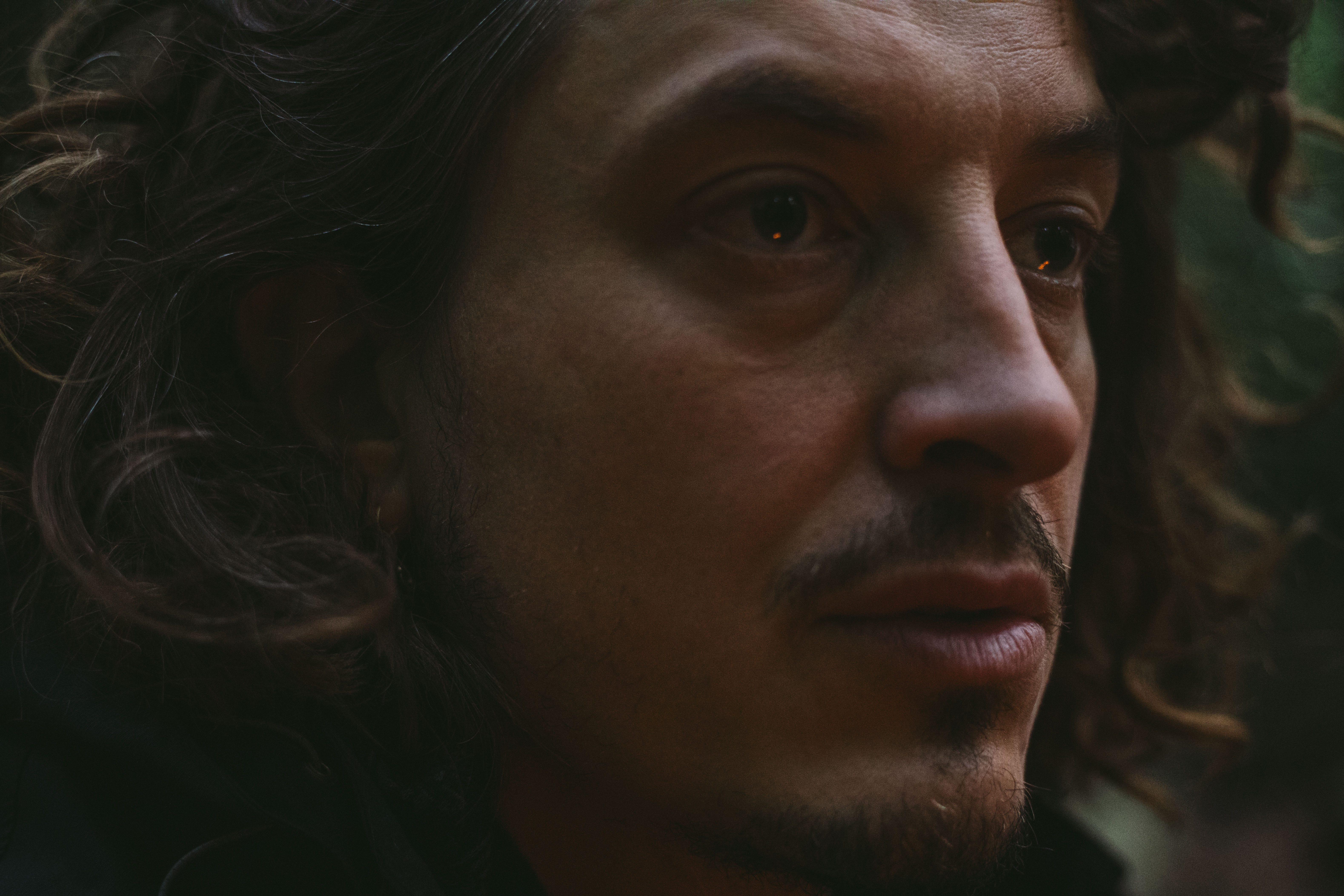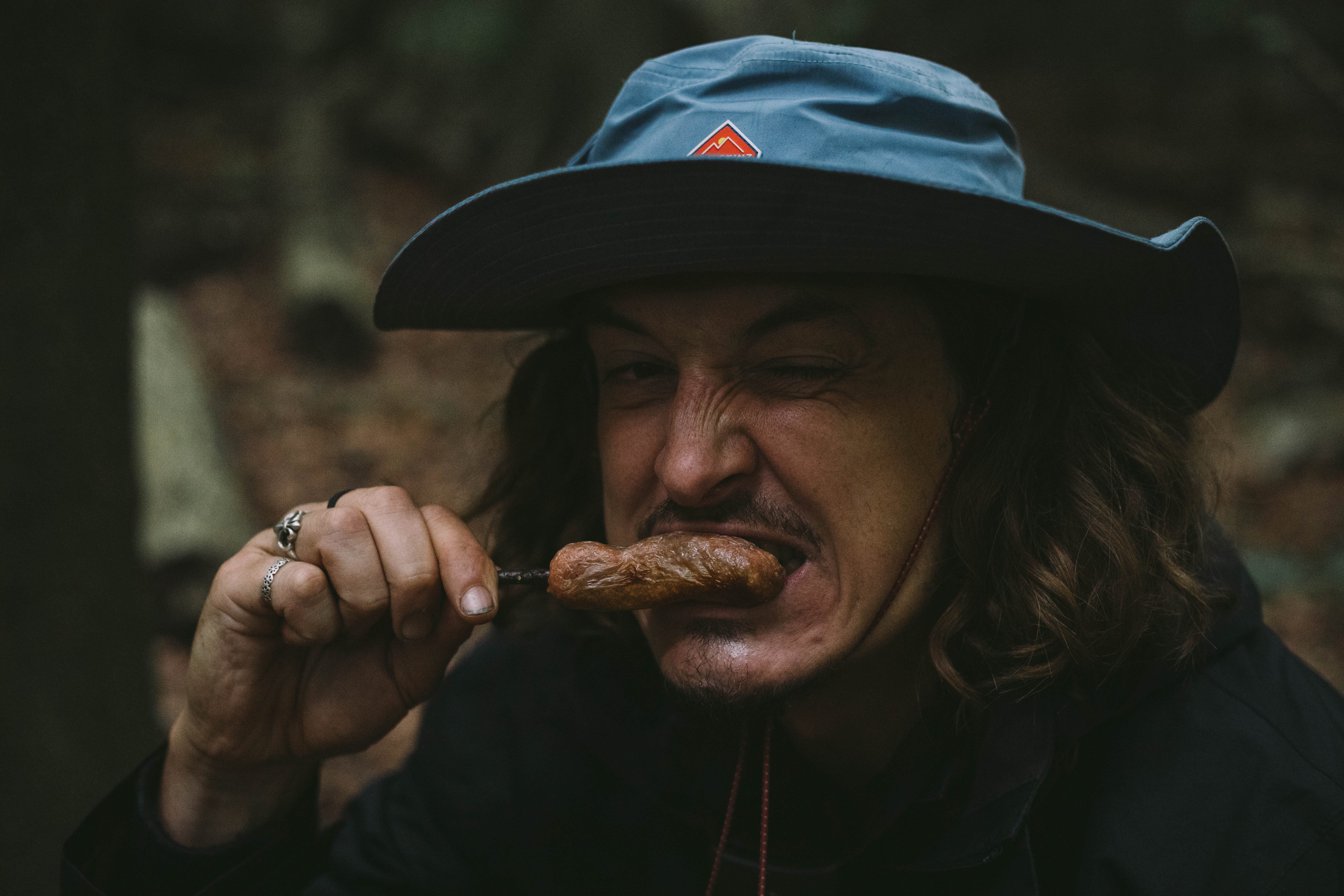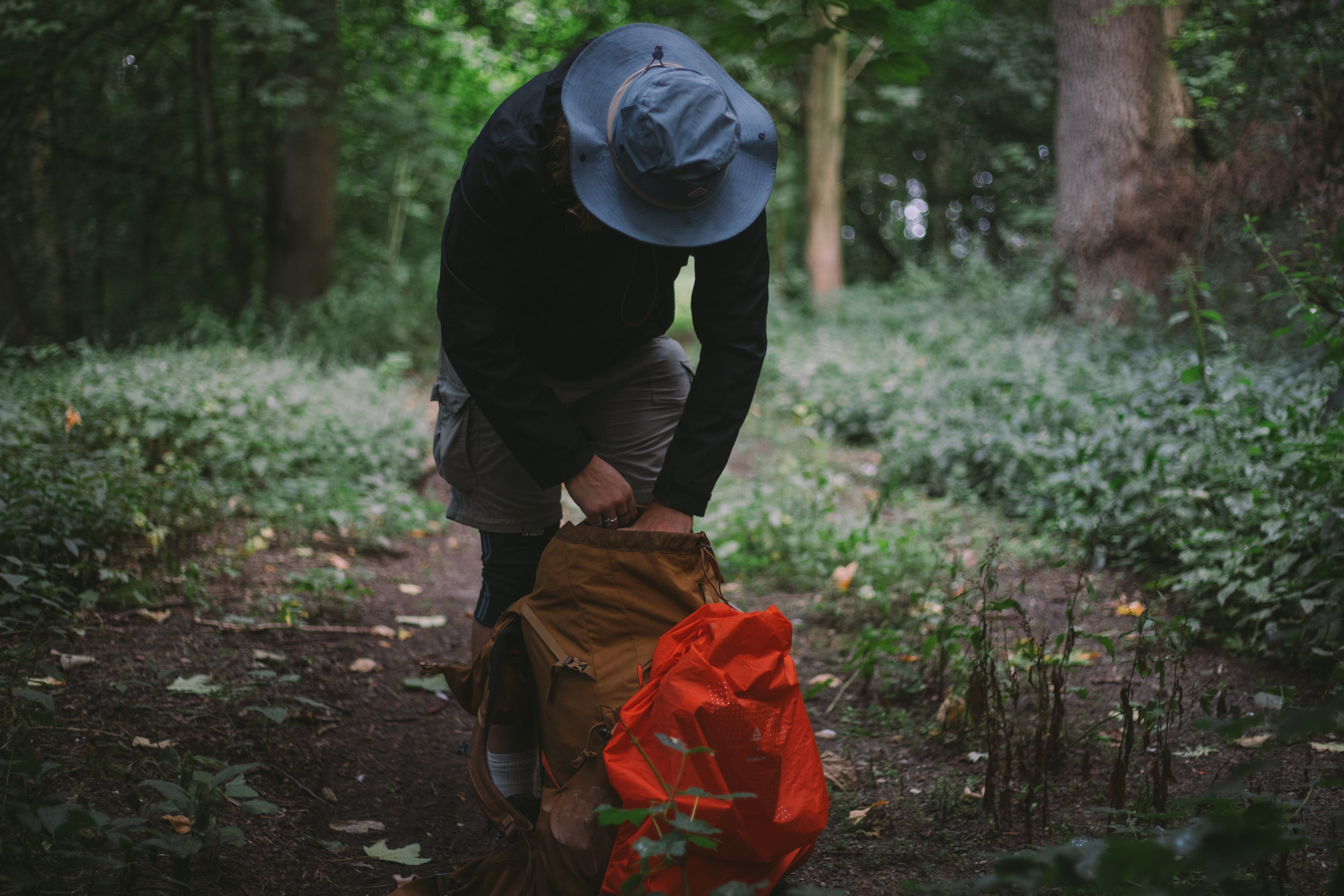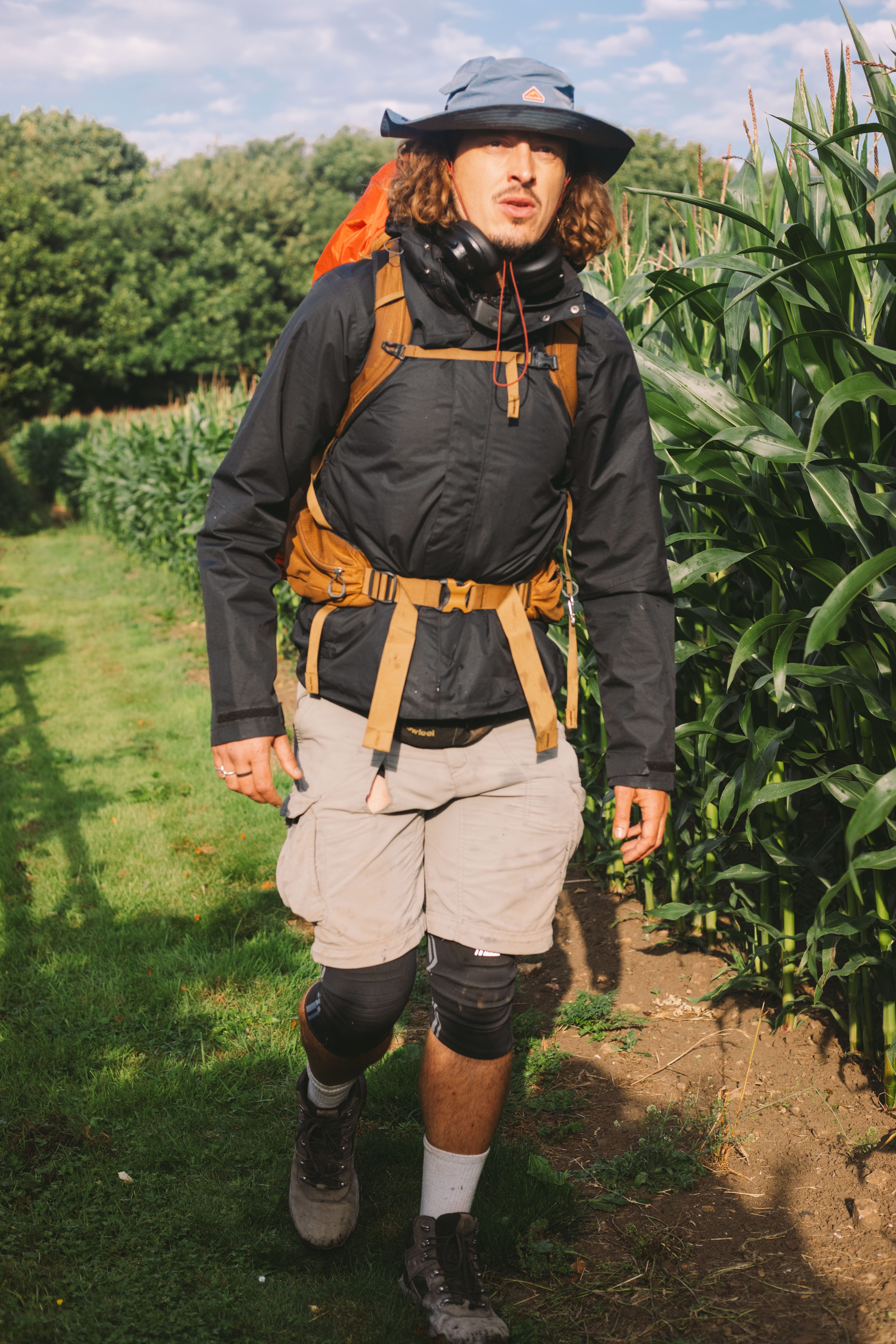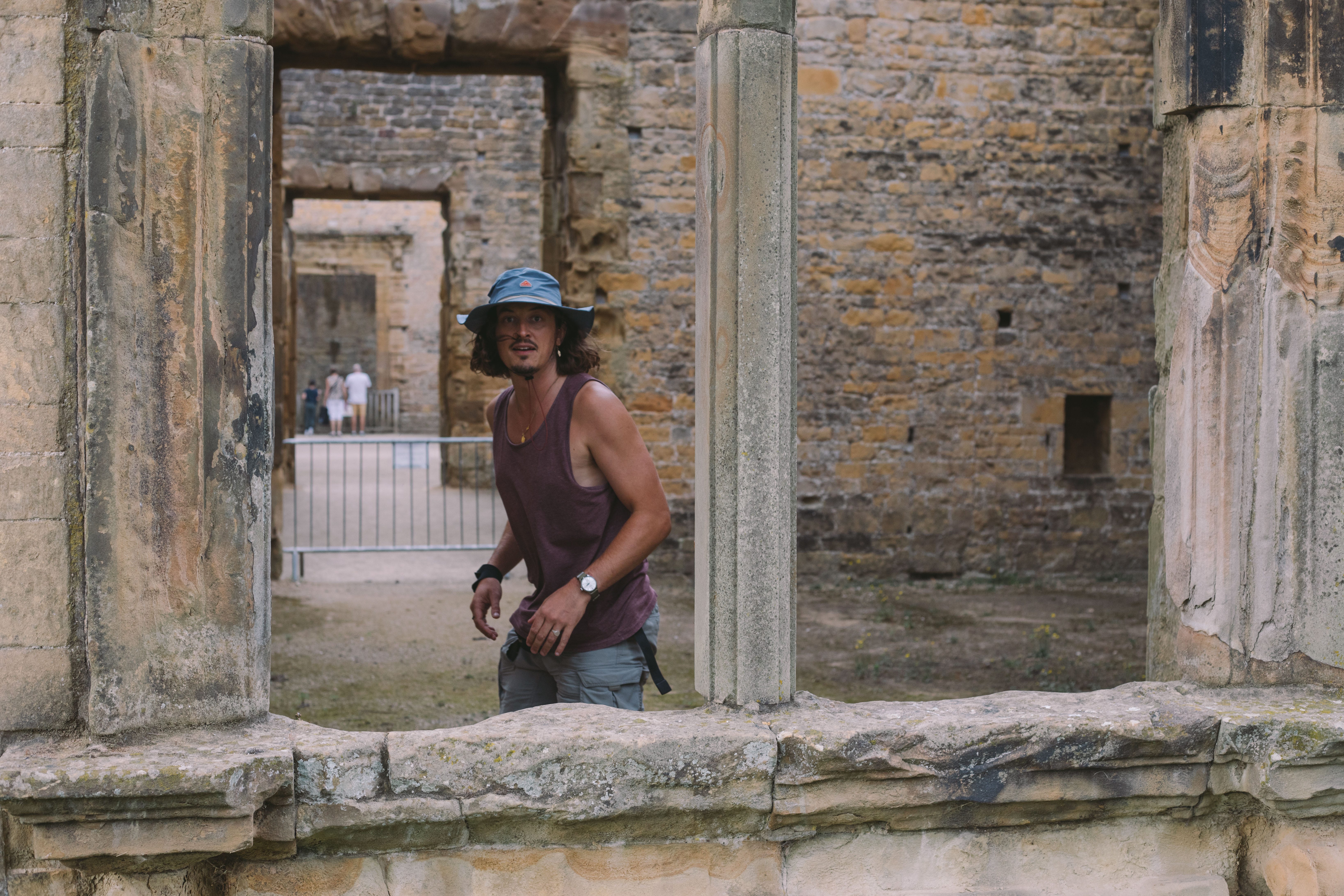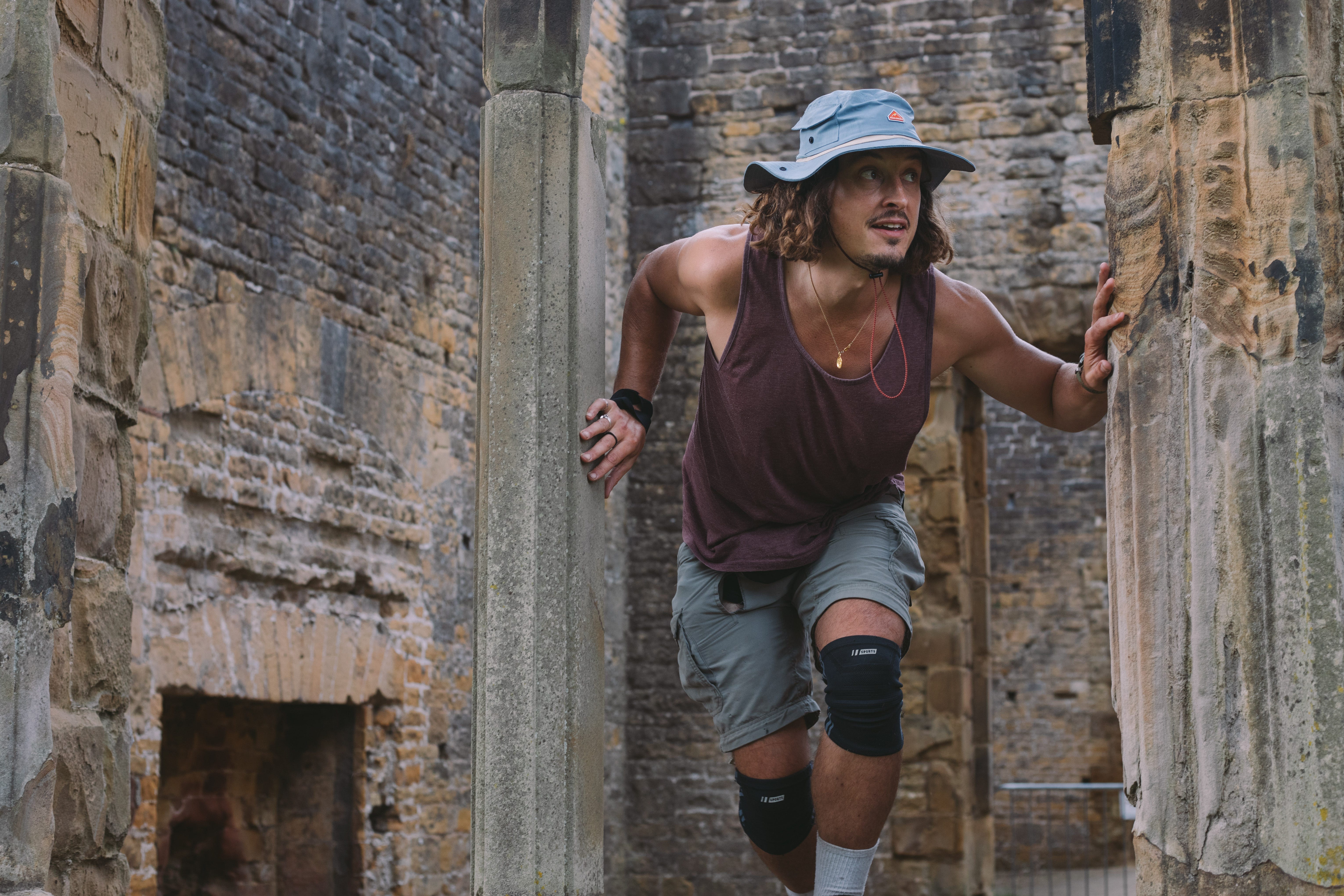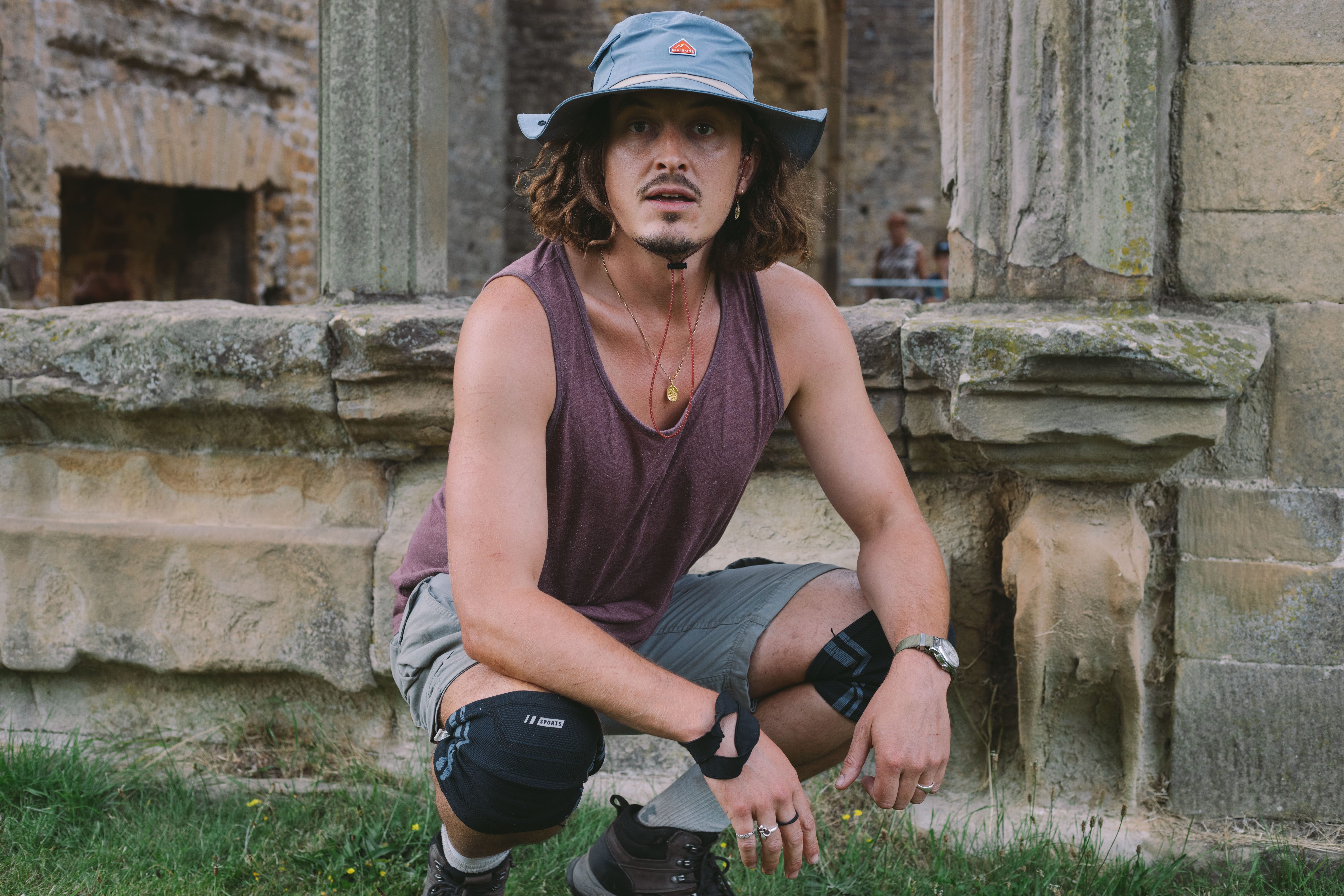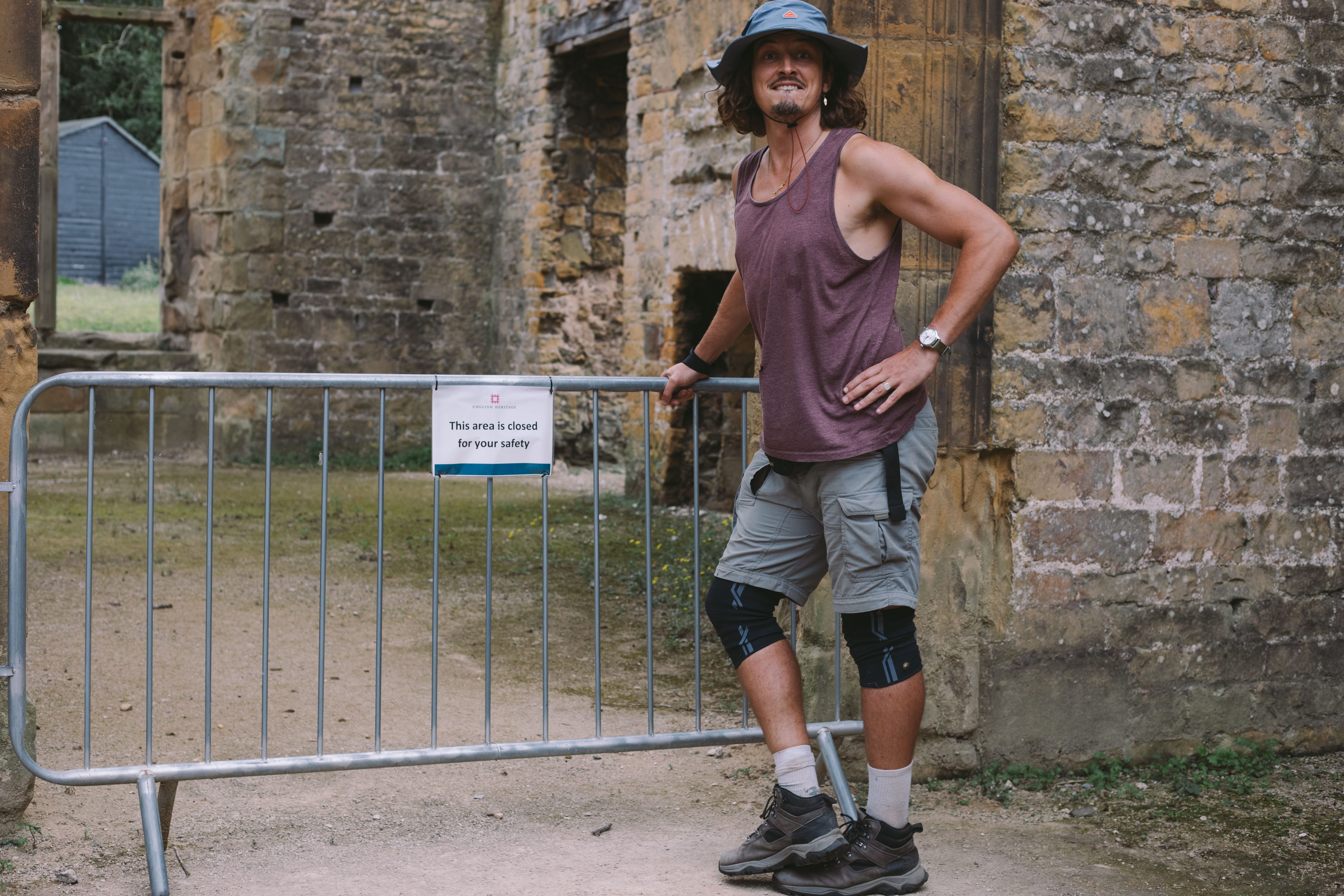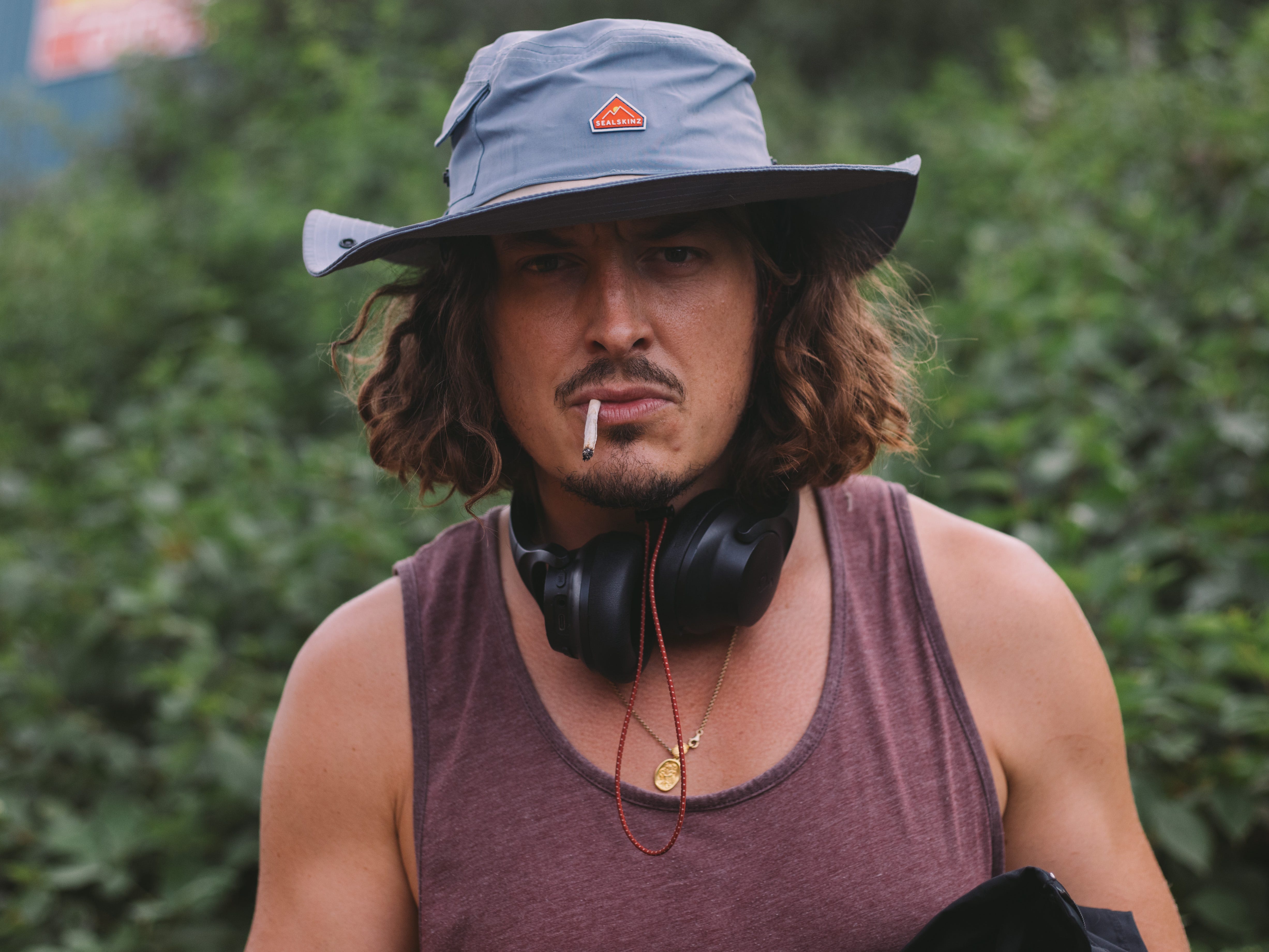
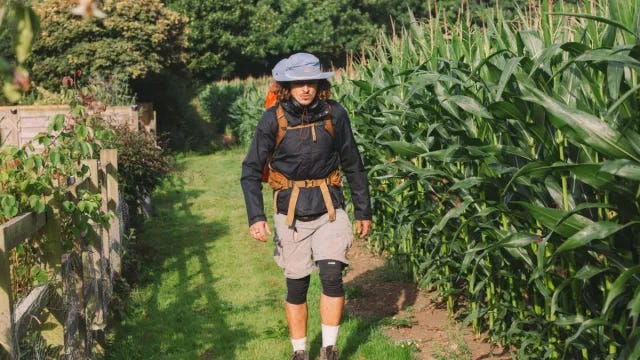
I didn’t know I was in a nature reserve behind a Wagamama when the security team at Rushden Lakes Shopping Centre in Northamptonshire interrupted my wild camp. Pat and Roger, who were wearing hi-vis tabards, politely insisted I move on. I ended up sleeping a few hundred metres away, in a field beside a dual carriageway.
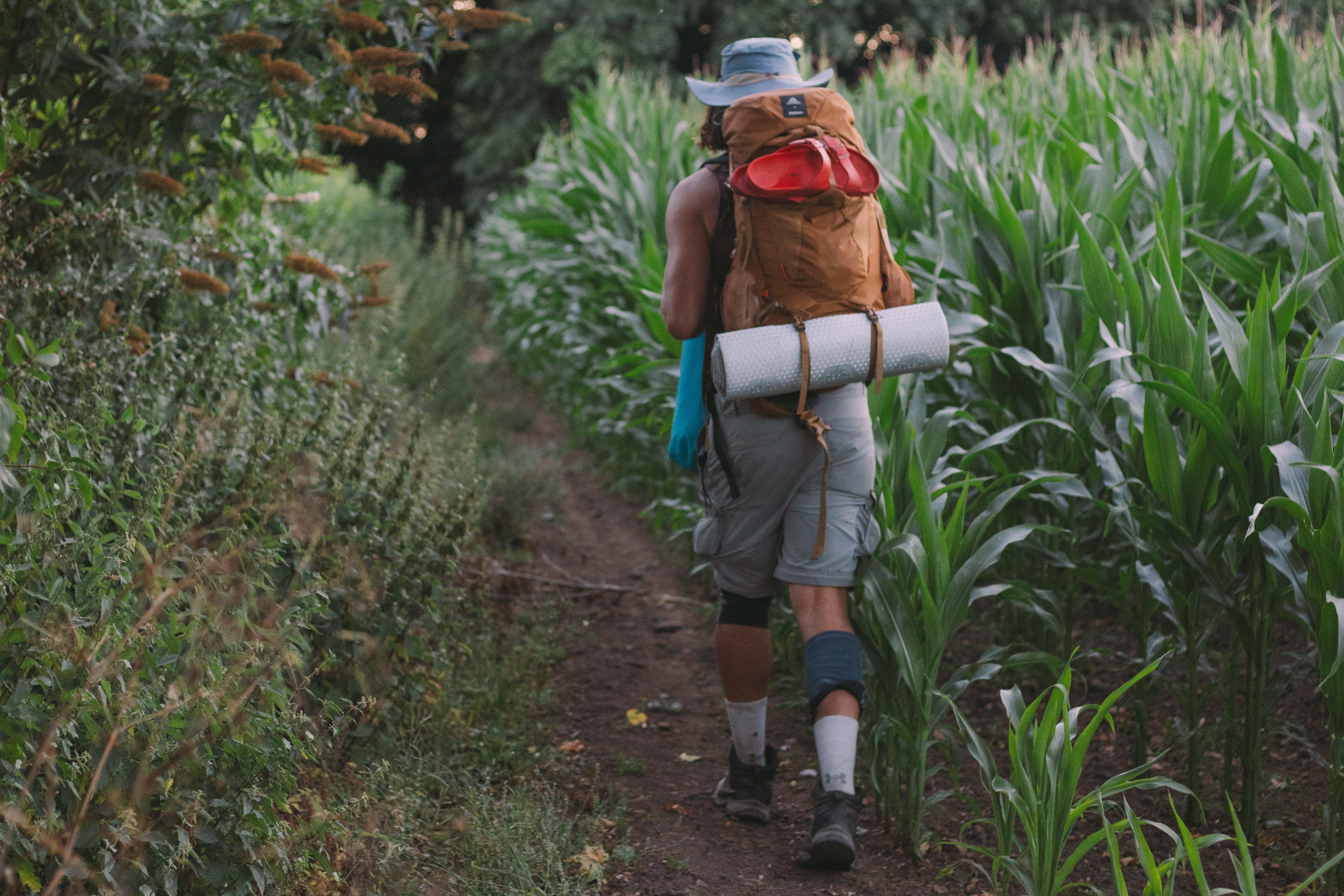
I wasn’t sleeping rough out of necessity, but as part of a 26-day responsible trespass and wild-camping trip I embarked on last summer. I walked 505 miles, more or less in a straight line, from Hastings to Gretna on the Scottish border. On the way, I crossed just about every kind of terrain England has to offer – from cities to fields, mountains to manor estates.
My aim was to raise awareness for the Right to Roam, a campaign for greater access to nature in England. I also turned 40 this year and I can’t afford a Porsche, so the adventure felt like good grist for the midlife crisis mill. ‘Responsible’ trespass meant not trampling crops or breaking fences – or interrupting anyone’s back garden barbecue.
The story dates back to lockdown. In beachless Worcestershire, I was shocked by the lack of places to swim in nature. Near me, there were none, so I trespassed on a local manor’s grounds to night-swim in its lake. It was then I came across Who Owns England, a book by Right to Roam co-founder Guy Shrubsole. In it, Shrubsole explains that about 92 per cent of land in England is private. That is to say, just eight per cent is accessible without permission.
Meanwhile, proper wild camping – packing a tent and bedding down for the night, away from an official campsite, and for free – isn’t permitted anywhere in England except for Dartmoor National Park. And that’s now that access is under threat due to landowner Alexander Darwall’s appeal to the Supreme Court to overturn a decision by the court of appeal. In July 2023, the court of appeal overturned a decision by a judge in January of the same year that had ruled wild camping didn’t count as open-air recreation and so wasn’t permitted under the Dartmoor Commons Act.
Last October, after Darwall brought his appeal, hundreds of people gathered on Dartmoor to campaign for the right to wild camp. Among them was Lewis Winks, from Right to Roam. He helped me prepare for my journey and on the phone told me: "Wild camping is about connecting with nature on its own terms – and without having to pay."
My walk began where, arguably, public access went wrong: Hastings. After William the Conqueror seized the crown in 1066, he and his barons carved up England, evicting commoners to create deer parks. The laws made then to punish those who resisted still echo today.
And the disparity of ownership is just as stark: around 1 per cent of the population own half of England. Elsewhere, the story is very different. In Norway, private landowners exist, of course, but the”'Allemannsretten” law guarantees free access to uncultivated land. It’s a similar story in Scotland, where the 2003 Land Reform Act gives people the freedom to walk and camp almost anywhere.
Author and Right to Roam co-founder Nick Hayes (The Book of Trespass) argues that England’s property and privacy laws inform many of our modern woes: environmental collapse (England has one of the lowest biodiversity scores in the world) and the mental health crisis are just the start. He argues that we need to challenge the idea that the countryside should be reserved for a select few “custodians” – and that we commoners don’t belong.
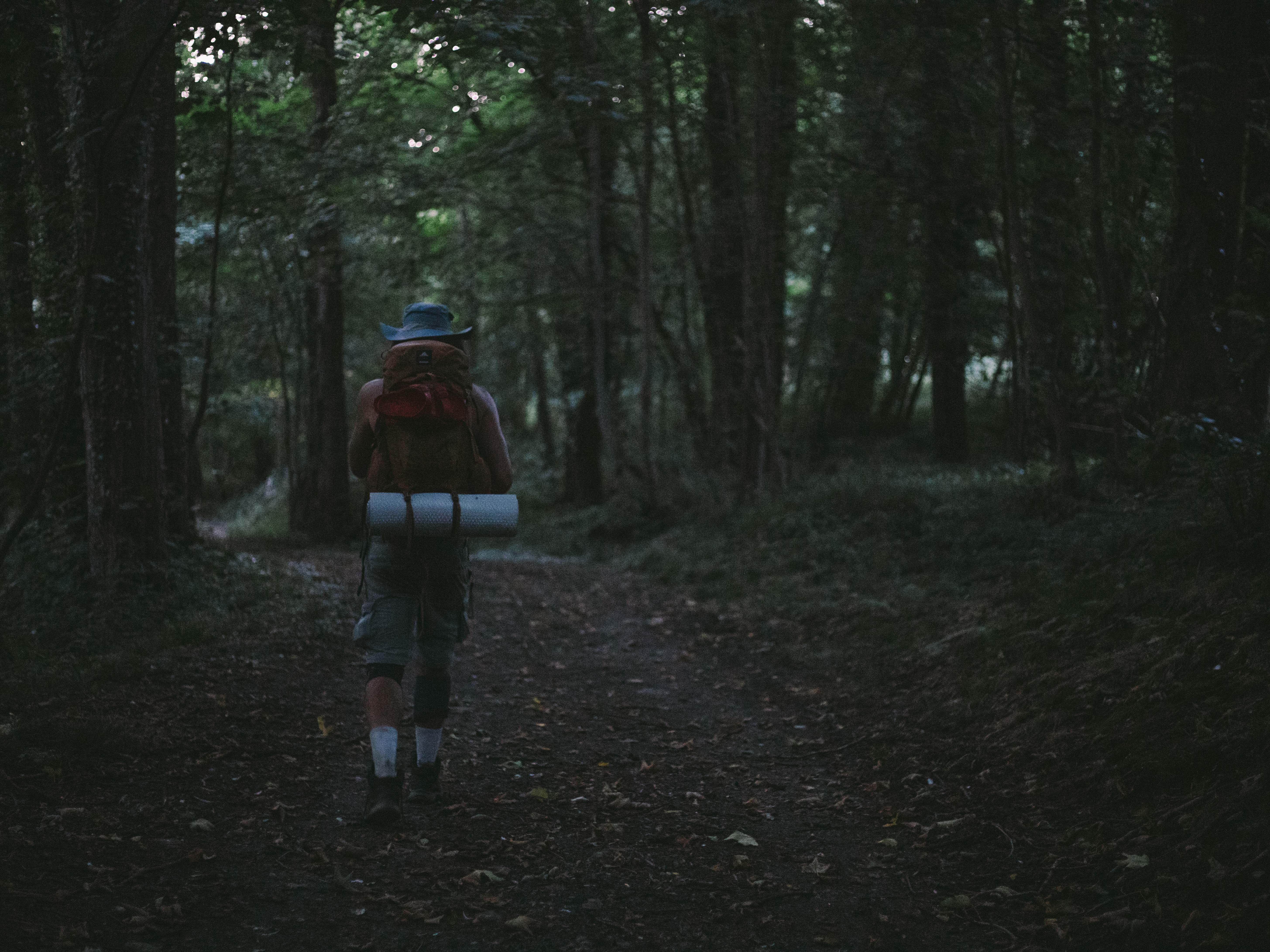
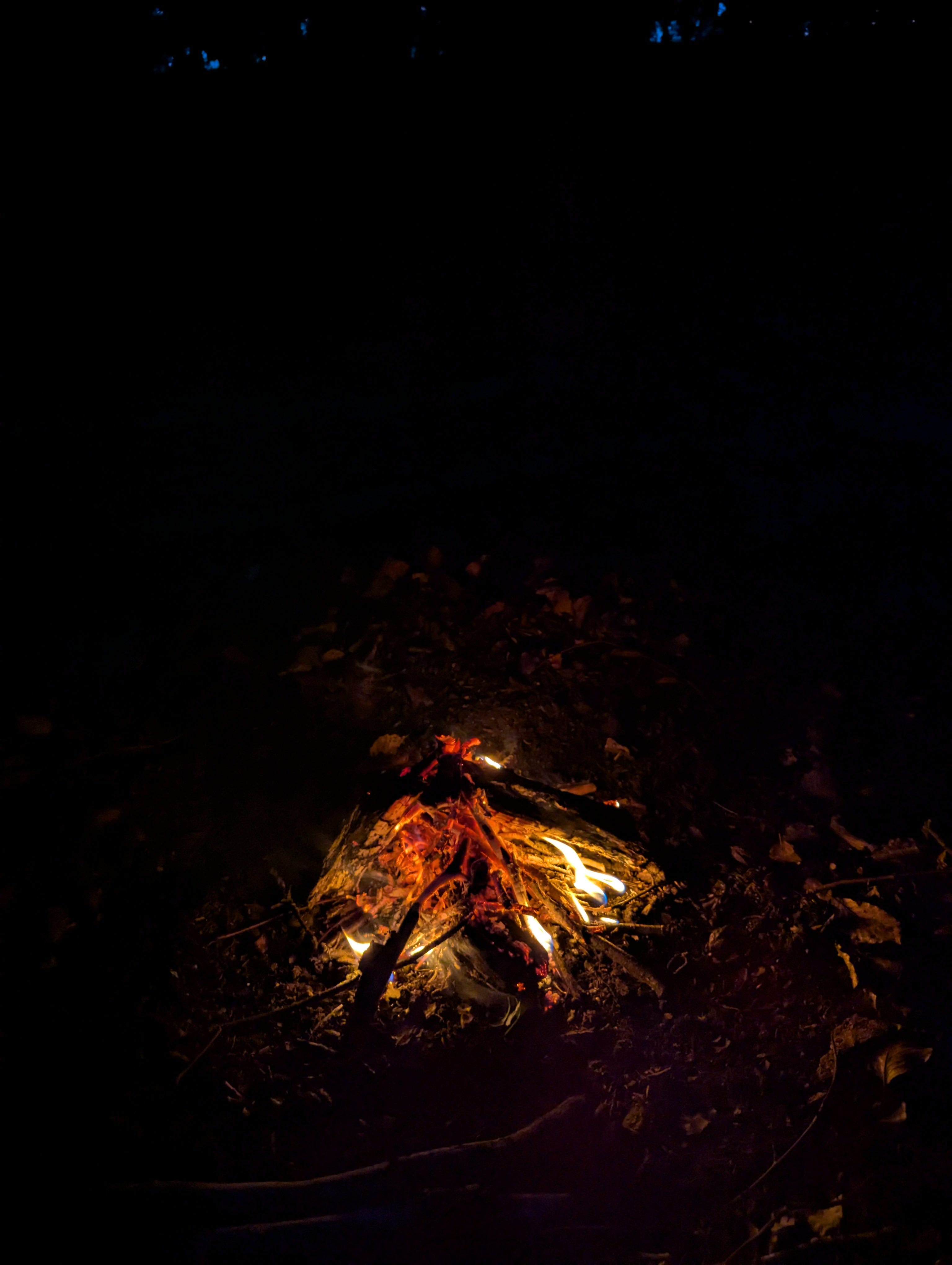
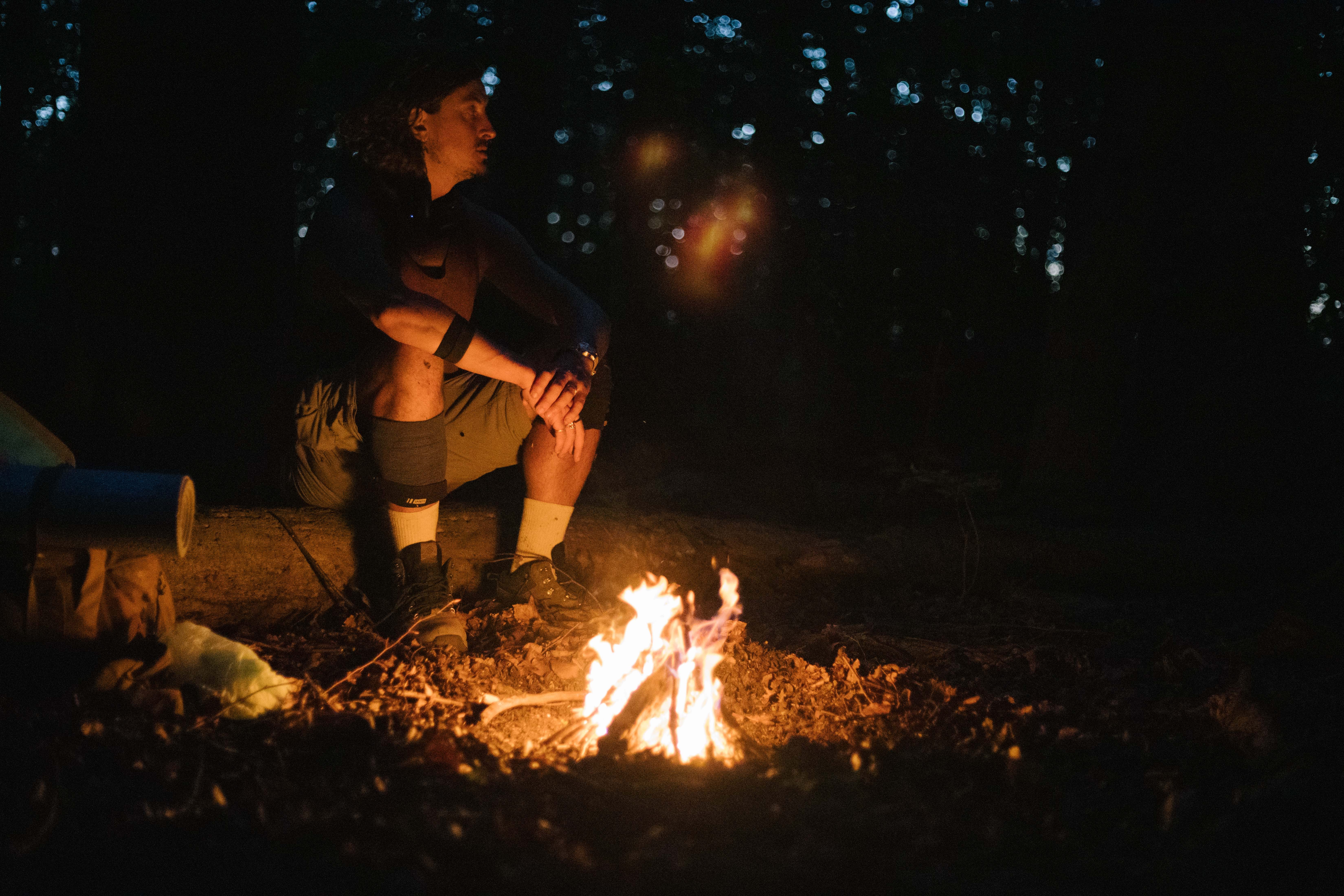
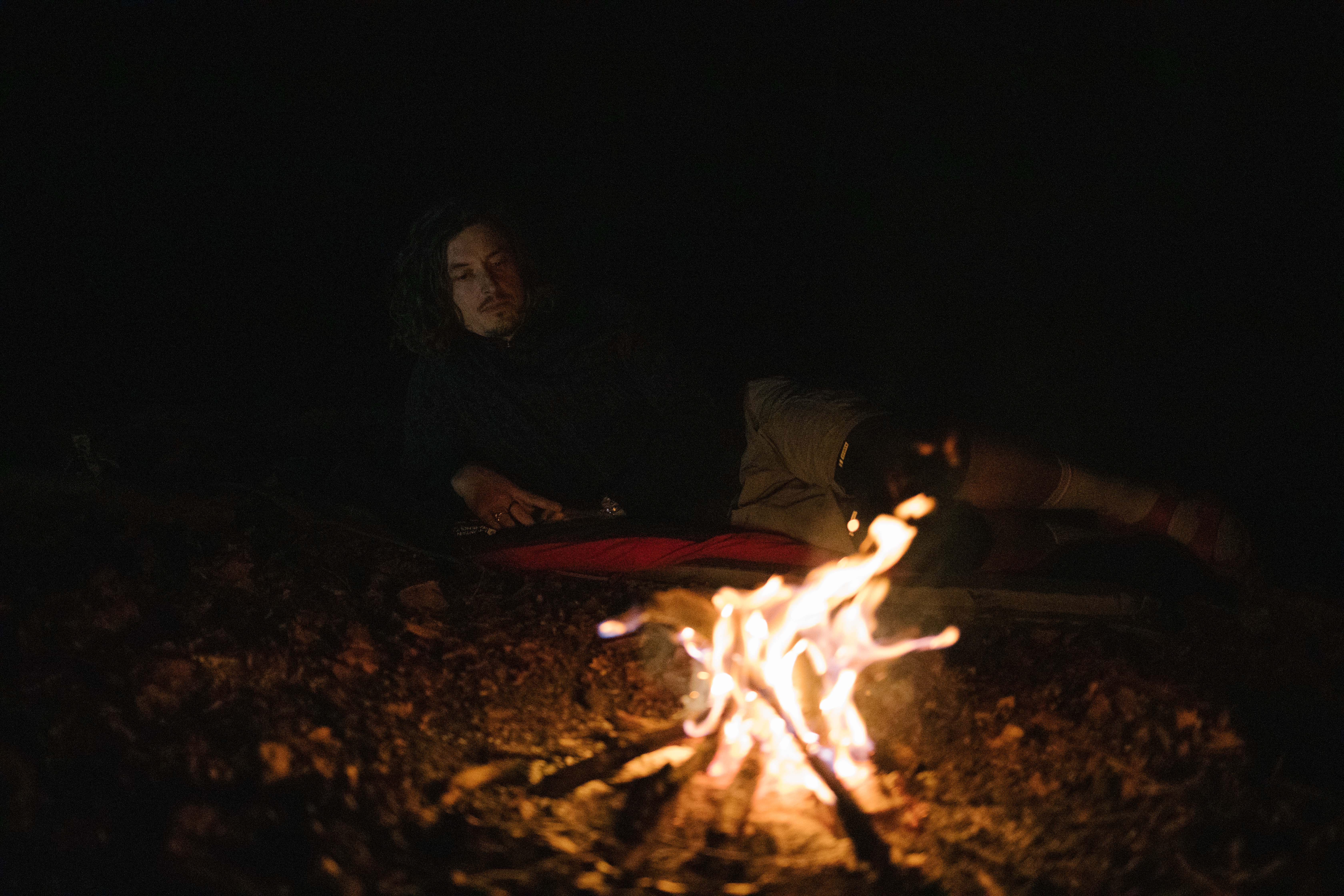
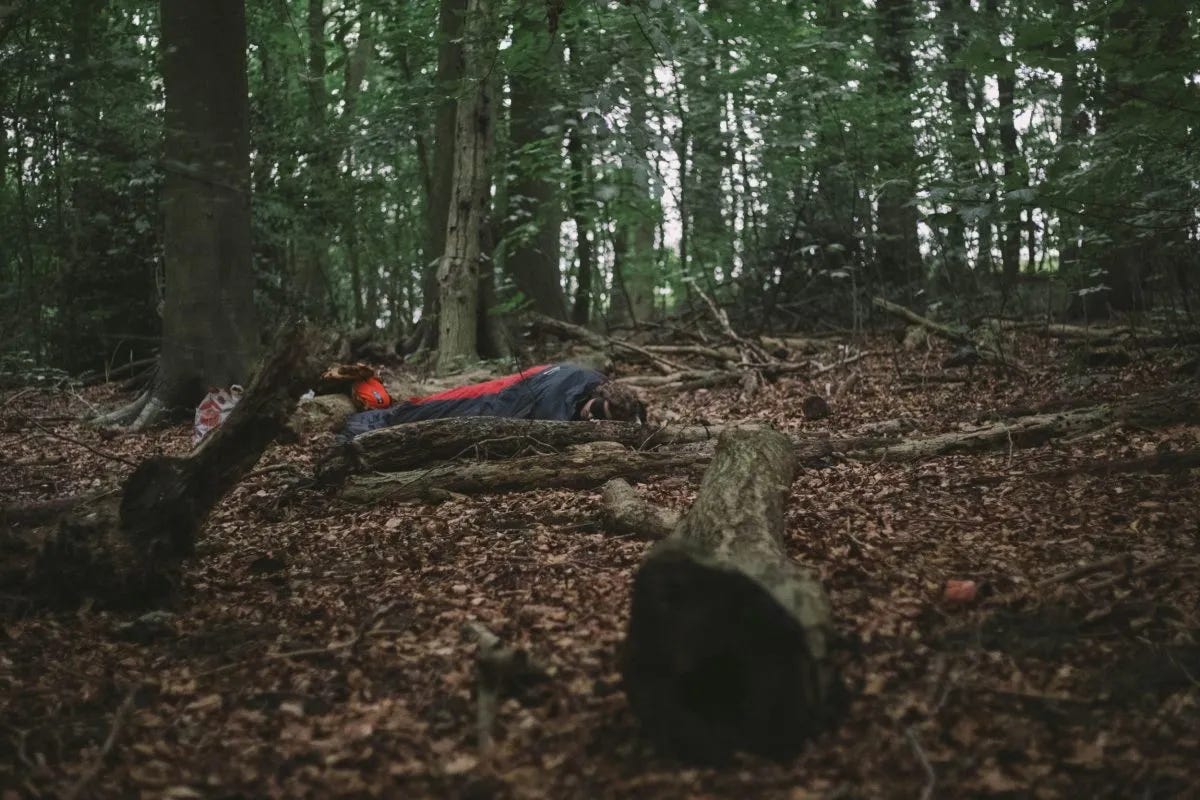
I’m a paragon of the nature-divorced townie. I don’t hike or camp. I bought my not-so-waterproof boots on Amazon a week before I left. I did no training. My first evening’s illegal wild camp – among the private redwoods of the Beech Estate near Battle – was unsettling. Being alone in the woods, in the dark, will do that. But I gave myself a talking to, lit my little stove for some light and drifted off to a history podcast on the Normans.
Waking up to the sound of birdsong and the smell of pine sap and petrichor was special, though. I felt oddly gleeful and ready for another day’s stomp. I began to notice just how much prison-like barbed wire there was and stopped counting ‘Trespassers Will Be Prosecuted’ at 30 odd. The irony is that they’re not true. Trespass, per se, isn’t a criminal offence. On almost all types of land, if you leave when asked then, legally speaking, that’s an end to it.
I only learnt this by meeting with and interviewing experts and enthusiasts along the way. People who might explain how to wild camp and trespass safely and responsibly, while better connecting with nature.
They included Emma Linford, a full-time expedition leader and Right to Roam campaign organiser. We trespassed on the grounds of Rushton Hall, once home to Sir Thomas Tresham, infamous for his illegal enclosures (fencing off land without legal backing and dispossessing commoners) that led to the Midlands Revolt of 1607. “It was one of the earliest mass protests against privatisation of common land,” she told me as she calmly, confidently walked across the hall’s manicured lawns.
Emma described the act of trespassing not as defiance, but as a means of reconnection. “We’re reclaiming a shared history,” she said. “Nobody should own the natural world – we should all be stewarding it.” She invited me to feel which direction I wanted to take next – rather than following the path.
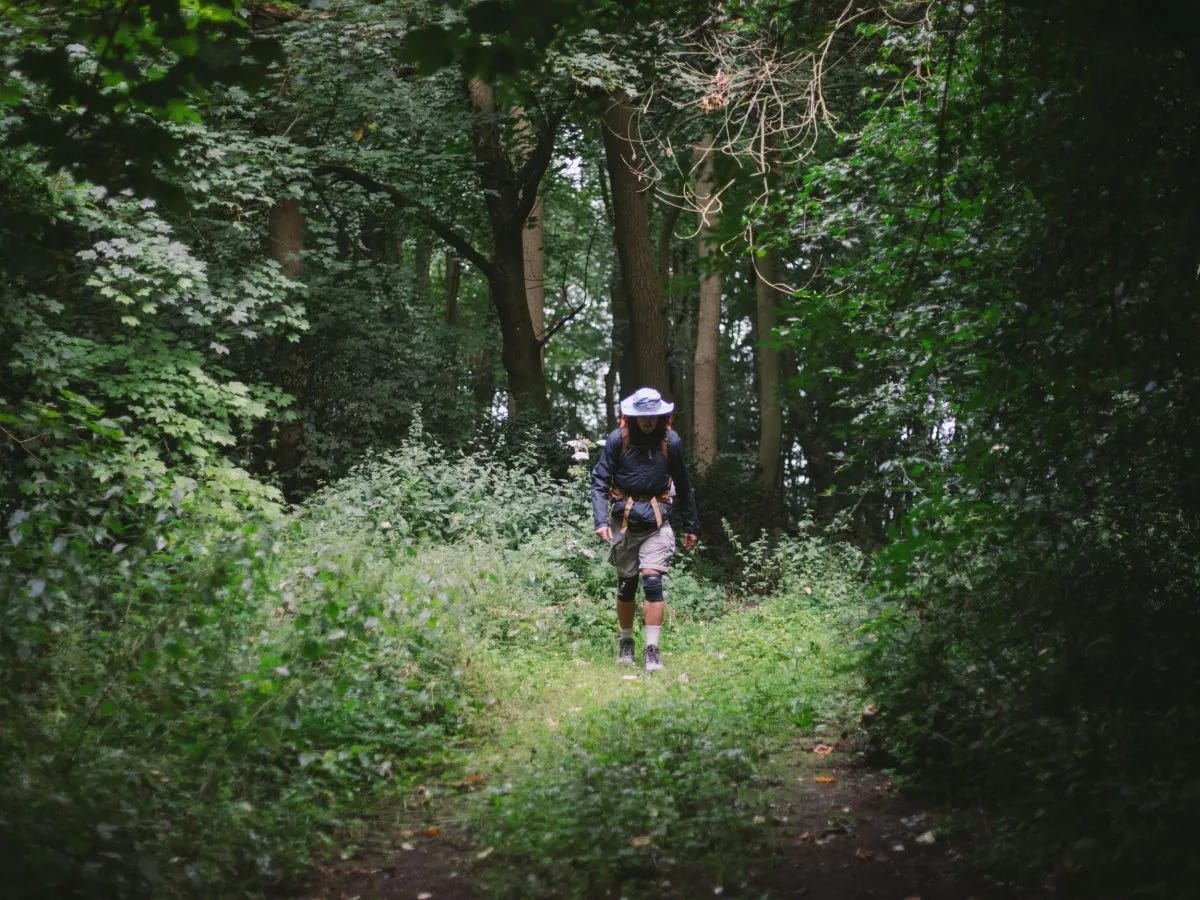
As we walked along the edge of a field, we were intercepted by the landowner in his Range Rover. Emma took the lead and by the end of a surprisingly affable chat, he said he sympathised with the access cause but feared litigation if anyone got hurt on his land. “There’s no such thing as getting caught,” Emma said as we walked away. “It’s just a chance to start a conversation.”
Most evening’s I’d celebrate my 20+ miles of walking with a pint in whatever pub I could find. I was surprised to find that almost everyone I spoke to supported the cause and were more than typically curious. As if by explaining the whats and whys, I’d unwittingly roused some sense of indignation in them: for the loss of our land, our disconnection from the living world, and how we all suffer as a result. Dave Jones, a curator at the National Maritime Museum, even helped me find a place to camp on the local manor house grounds near the Fleur De Lis pub in Leigh, Kent.
Others who joined the walk included Paul Powlesland, a barrister and founder of Lawyers for Nature (a community interest company that seeks to create change to protect nature in the UK JUST UK?). He leads a team of locals – ‘Friends of the River Roding’ – that plant and rewild neglected stretches of the river without waiting for landowner approval.
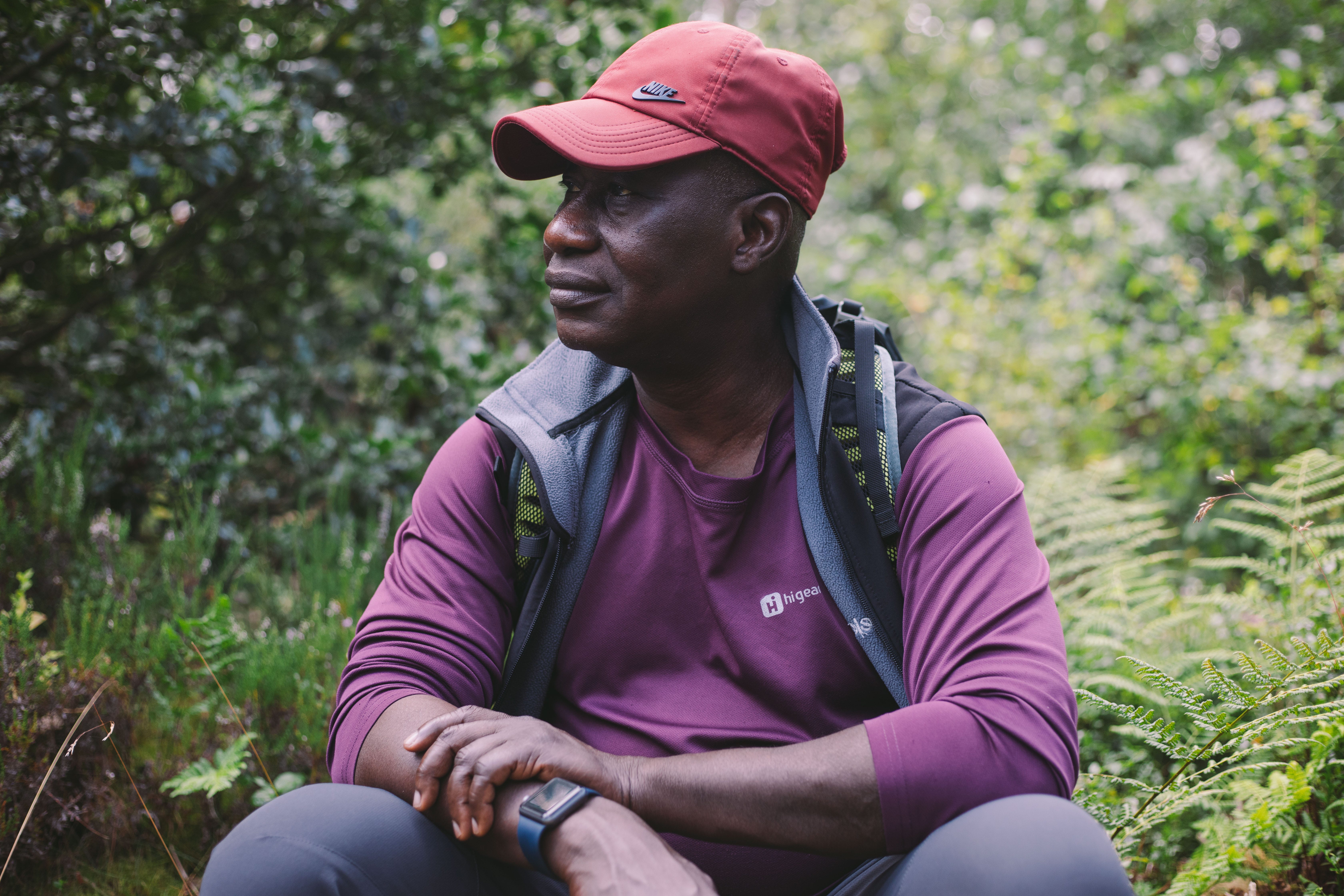
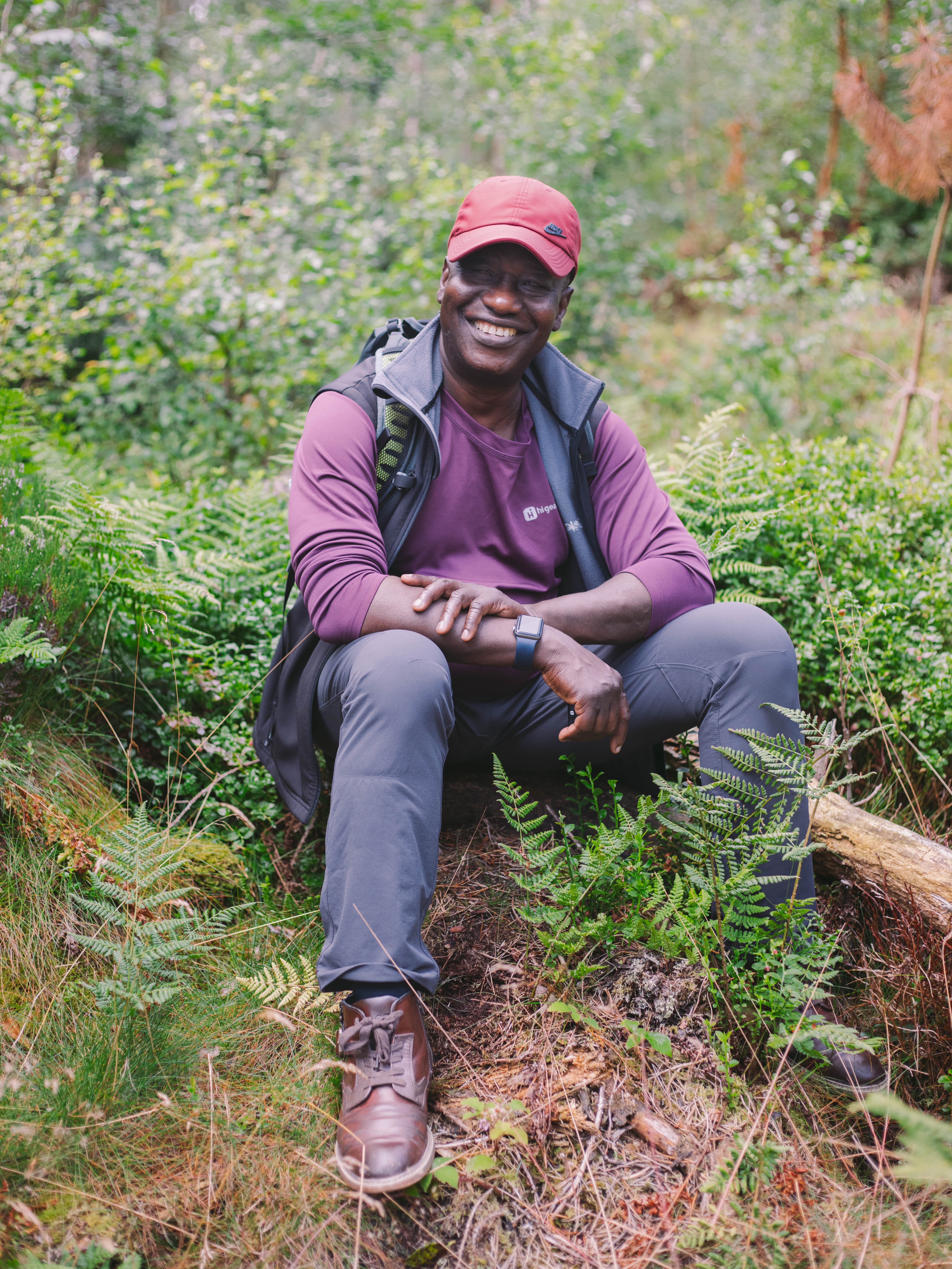
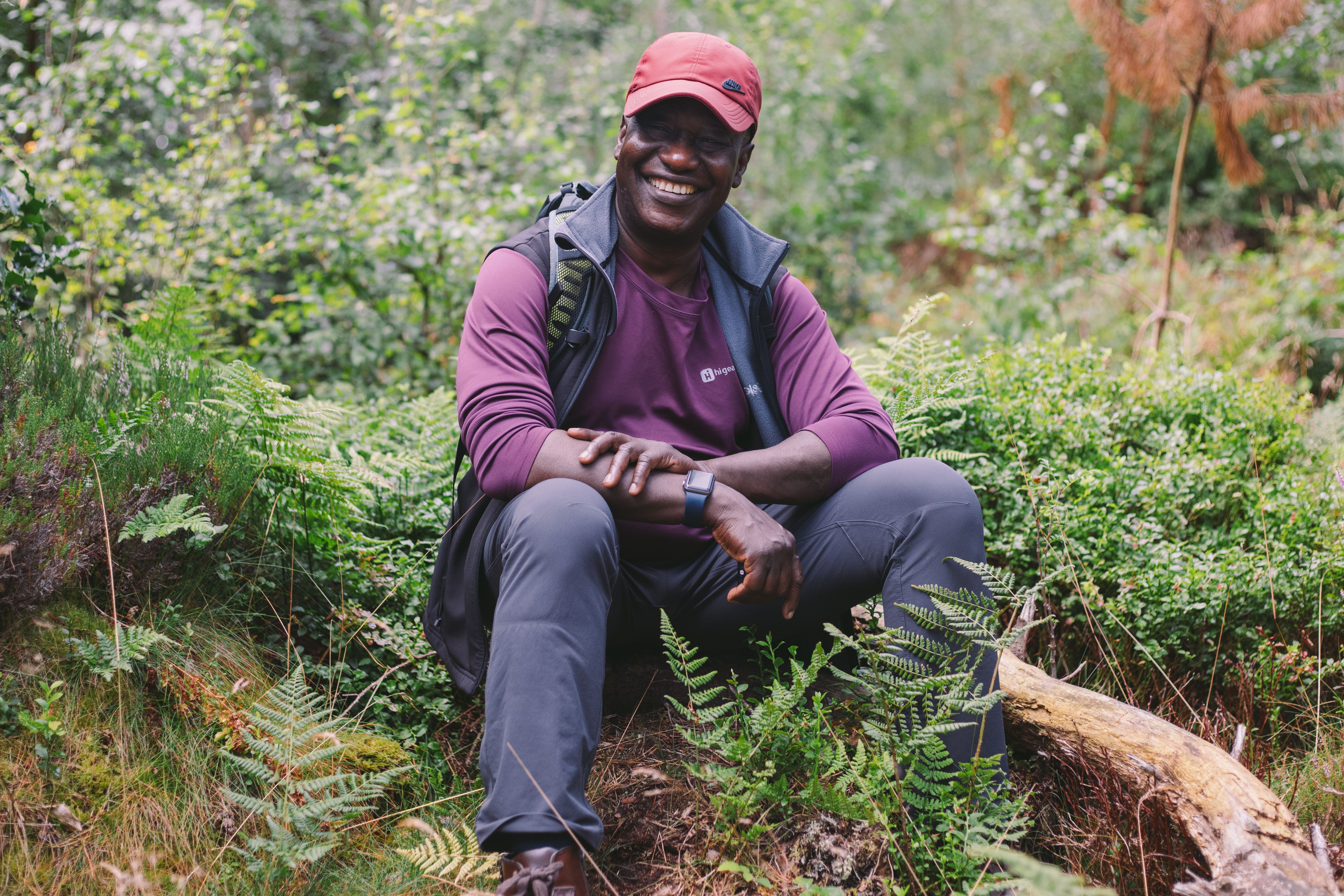
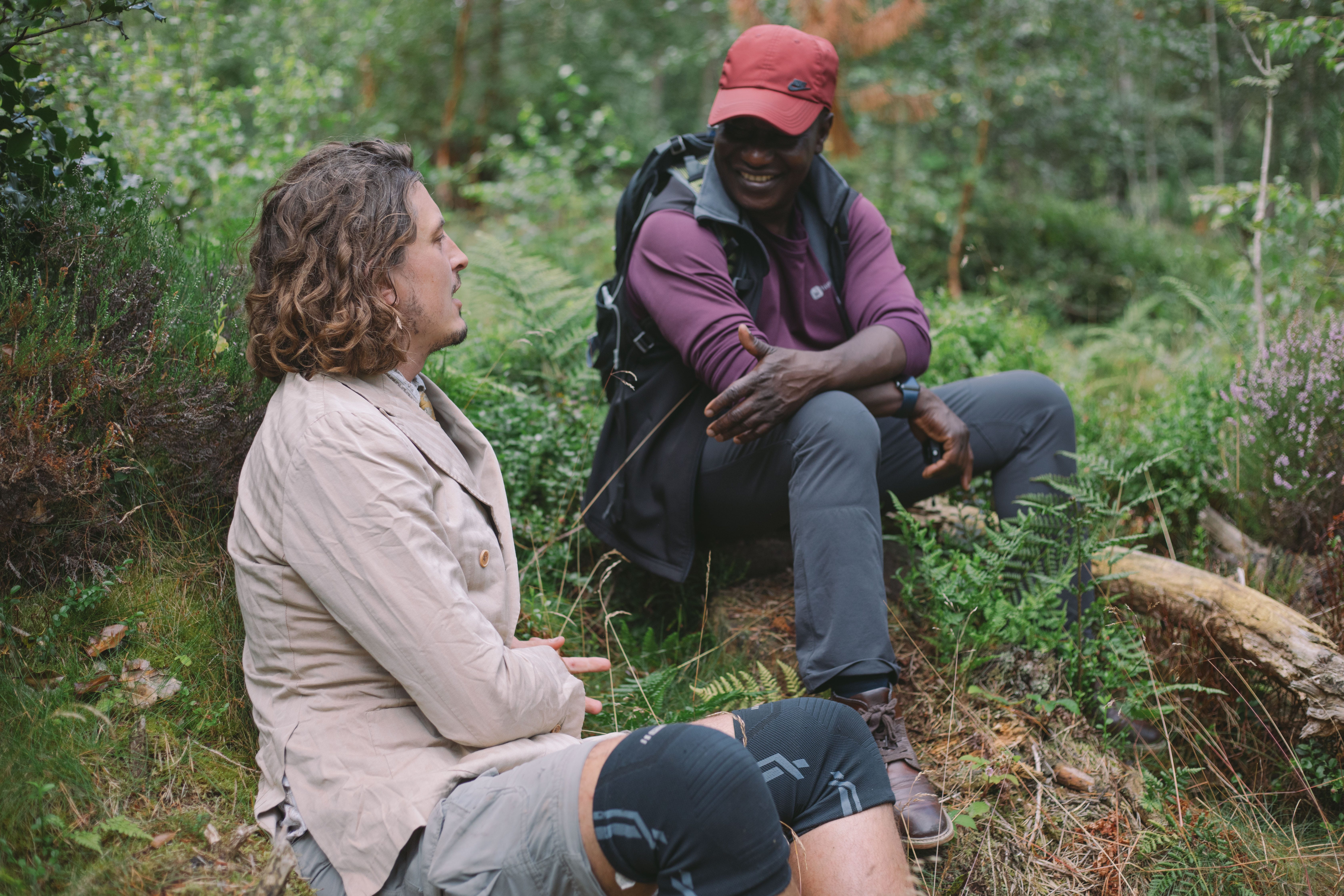
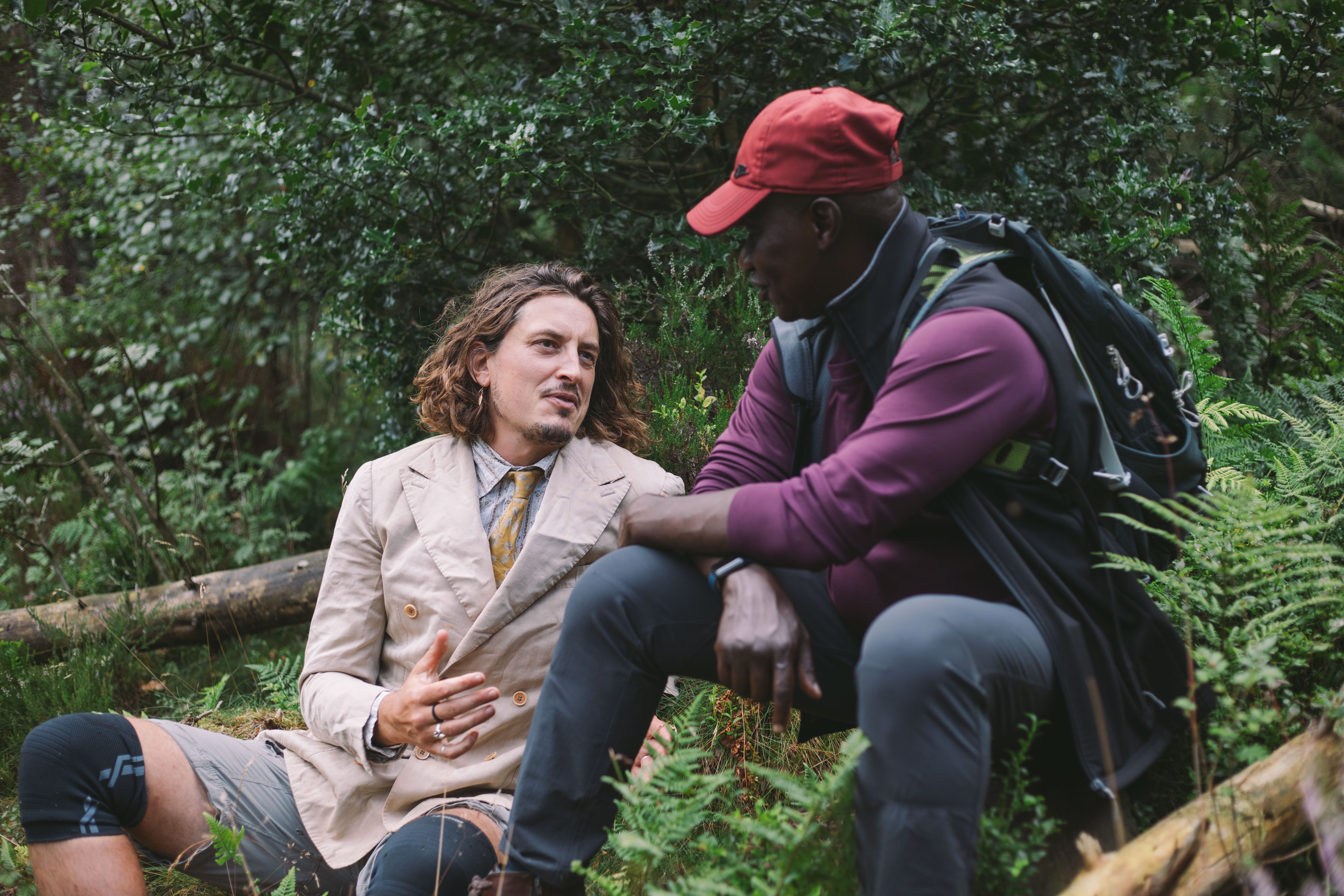
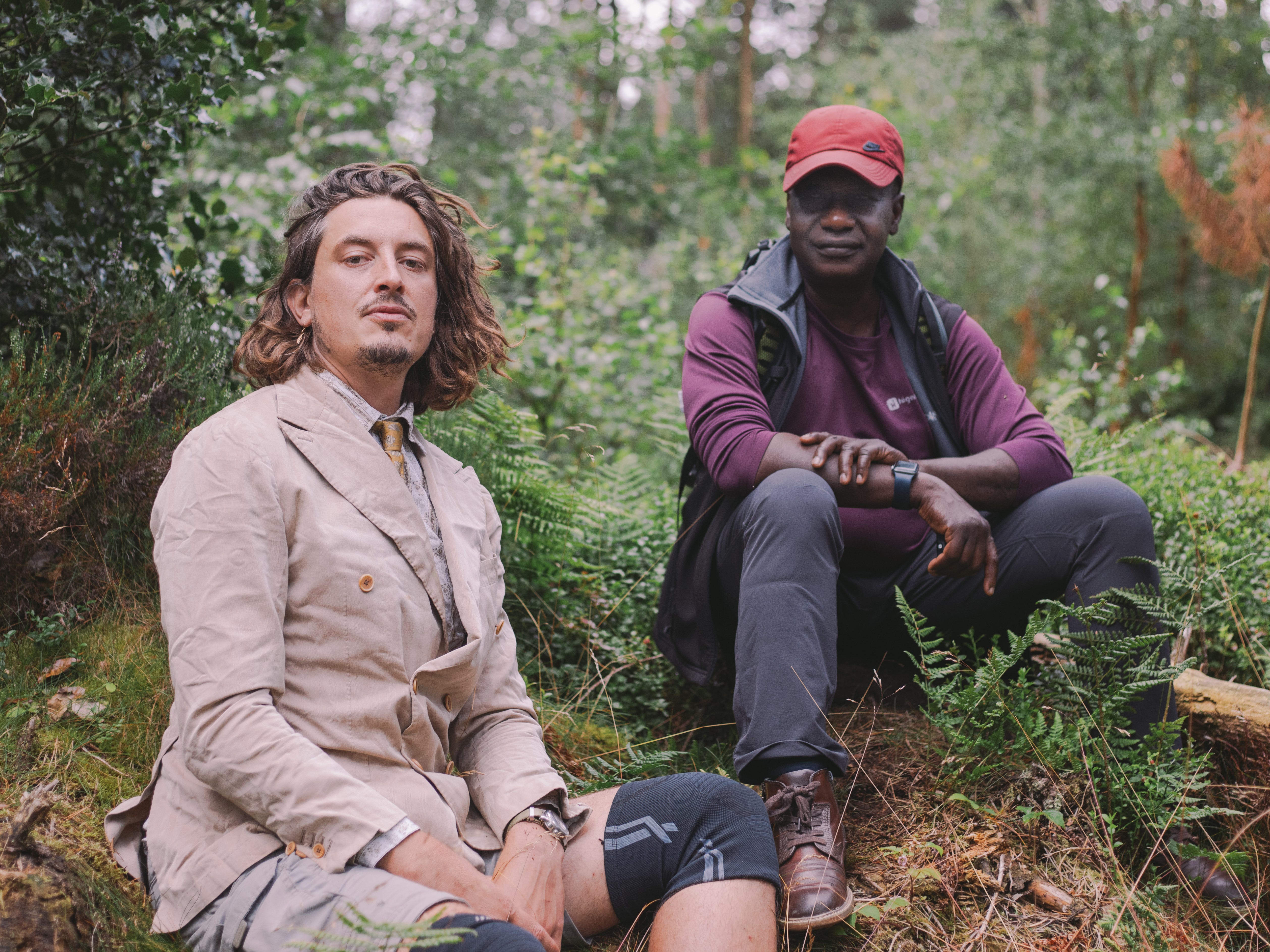
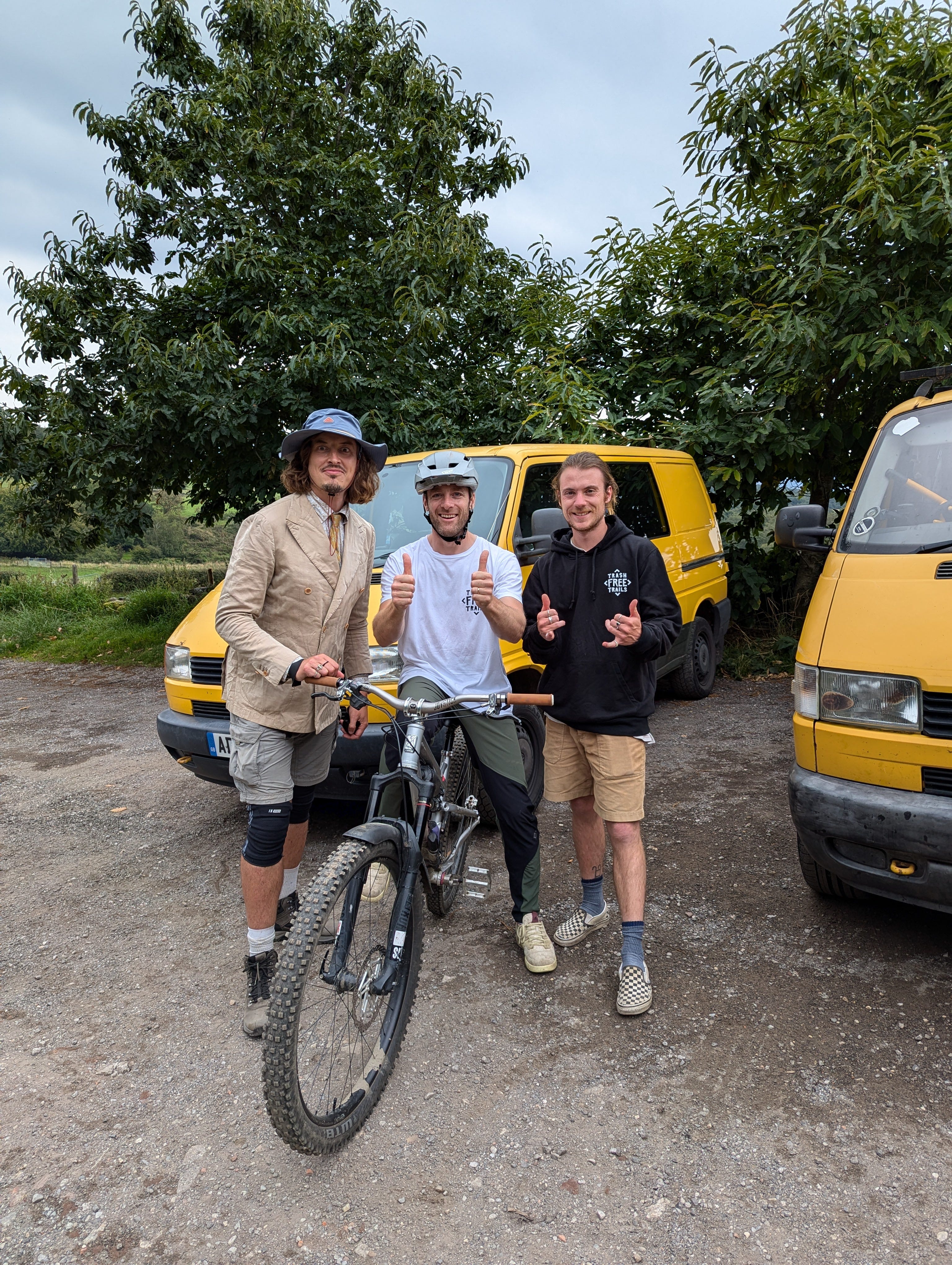
Near Sheffield, I walked and talked with scholar-activist Maxwell Ayamba about reframing the countryside through Black history – in part by confronting how wealth accumulated through English colonialism helped fund vast estates and shape who owns the land today. “But also, the black community has been part of the English countryside dating back to the Romans,” he said, “and these stories aren’t told”. The same day, Leigh Rose of non-profit organisation Trash Free Trails told me how running litter-picks can mend both trails and minds.
And then there was Issy Howie from the 15,000-strong Sheffield Outdoor Plungers, who took me trespass-swimming in a reservoir. She showed me how to scout safe entry and exit points, while debunking some of the usual reservations: “Reservoirs are usually placed where there’s minimal pollution, upstream from sewage plants,” she said. “'We keep an eye out for blue-green algae, a sign of farm runoff, but it’s rare.” The water was chilly, but not unpleasant. I was taken aback by how untouched the surroundings were. Fields and trees and open sky. Not what you’d expect from a manmade lake. We dried off and had a little picnic from the back of Issy’s car before I was off again.
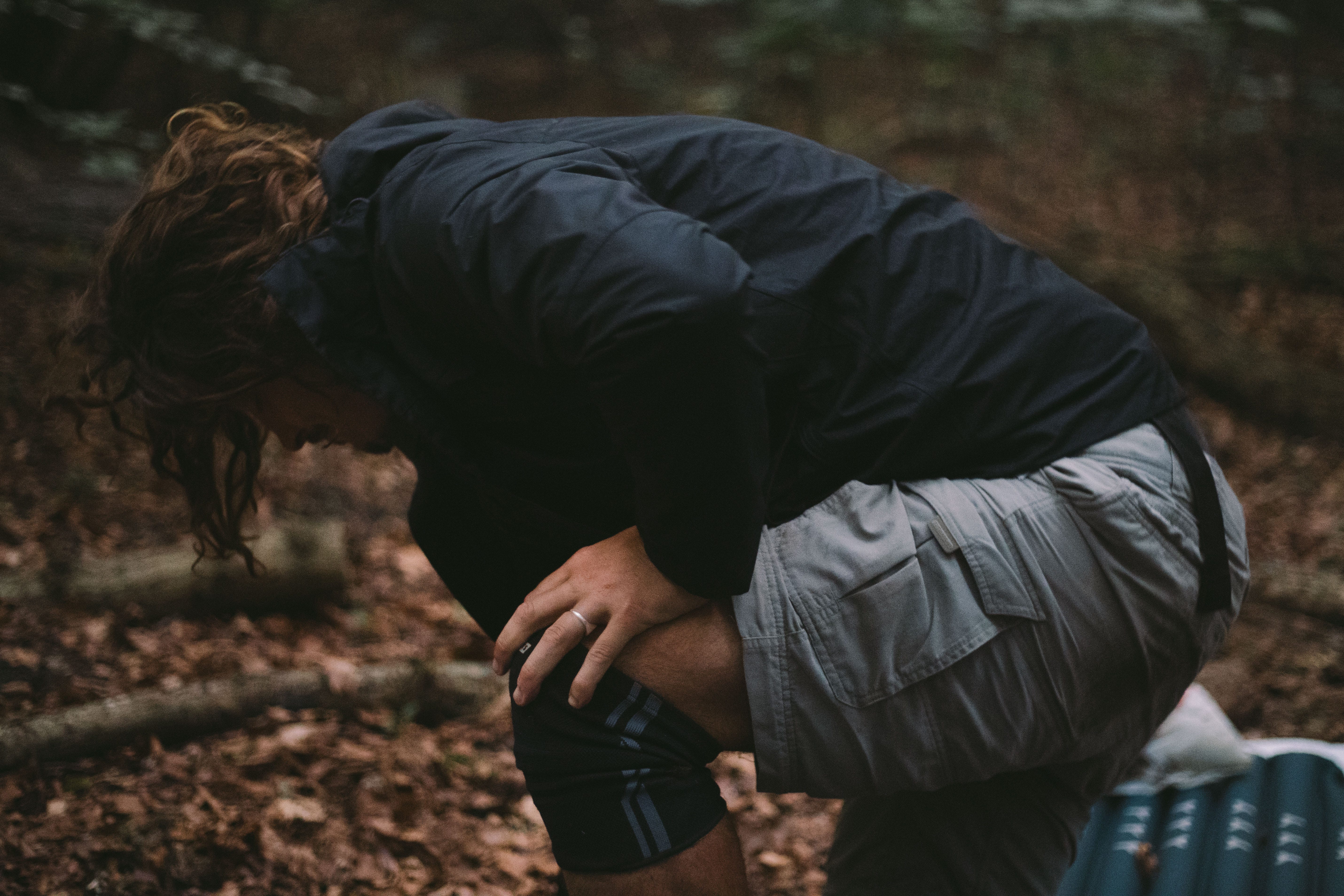
Miraculously, most of my body was holding up the strain of around 40,000 steps a day. Save for my feet. In London, only 90 miles in, I wept at the pain on a park bench and considered throwing in the towel. My achilles’ screamed, but with a good night sleep in a hostel, I tried again and completed my biggest day yet. Near Nottingham, my bubonic feet were so blister ridden that I decided to visit the city’s NHS walk-in centre. A no-nonsense nurse lanced, sponged and patched me without complaint. As I waited for the painkillers to kick in, I spoke to a recovering alcoholic. He made a point of reminding me to appreciate how much of a privilege it was to be enjoying the outdoors, day after day.
One of the more laughable issues I encountered en route was access islands – locked-off pockets of “open country” you can technically roam on legally, but which can’t be reached legally, short of parachuting in. To highlight this preposterousness, I trespassed in a precisely straight line between two of the country’s biggest access islands in Cumbria. Watched only by cows, I made it unscathed, save a few more blisters.
From there, I walked to Gretna over the Scottish border towards a symbolic finish: Scotland’s 2003 Land Reform Act enshrines the right to roam and wild camp for all.
“Having this much freedom is powerful and life changing,” said Nadia Shaikh from Right to Roam, who greeted me at the finish. She lives on the Isle of Bute and cherishes the connection to nature her home allows her.
Immediately after the walk, I caught the train to Shambala Festival, back in Northamptonshire, to share my experiences with a sympathetic crowd.
Though as Sidharth Sharma (the festival’s founder and a vocal access advocate) rightly said afterward: “Access is about so much more than recreation. It’s about justice, connection and community."
What I tell people now, with first-hand confidence, is that the countryside is, for the most part, empty. And it’s mad how little of it we ever see. My vision of it as a place of Sunday-walk boredom has changed. The thrill of trespass helped, but I also found satisfaction in subtle nods from nature: the wind through the trees, circling red kites overhead and the wonderfully inquisitive nature of cows. I’ve camped out since – nothing epic – but each time with a little more confidence and less fear of the dark. And nowhere near Wagamama.