
It’s getting harder to justify long-haul travel these days. Western guilt gnaws at the edges of my itinerary, demanding me and my tourist dollars contribute to more than personal pleasure and snaps for the Gram to something that promises a net positive to people and planet, within the profligate preserve of tourism.
So when I was invited to Peru at the behest of nature-first Inkaterra, I knew I was being offered something that would make me feel a little better (and look more virtuous in front of my judgey peers).
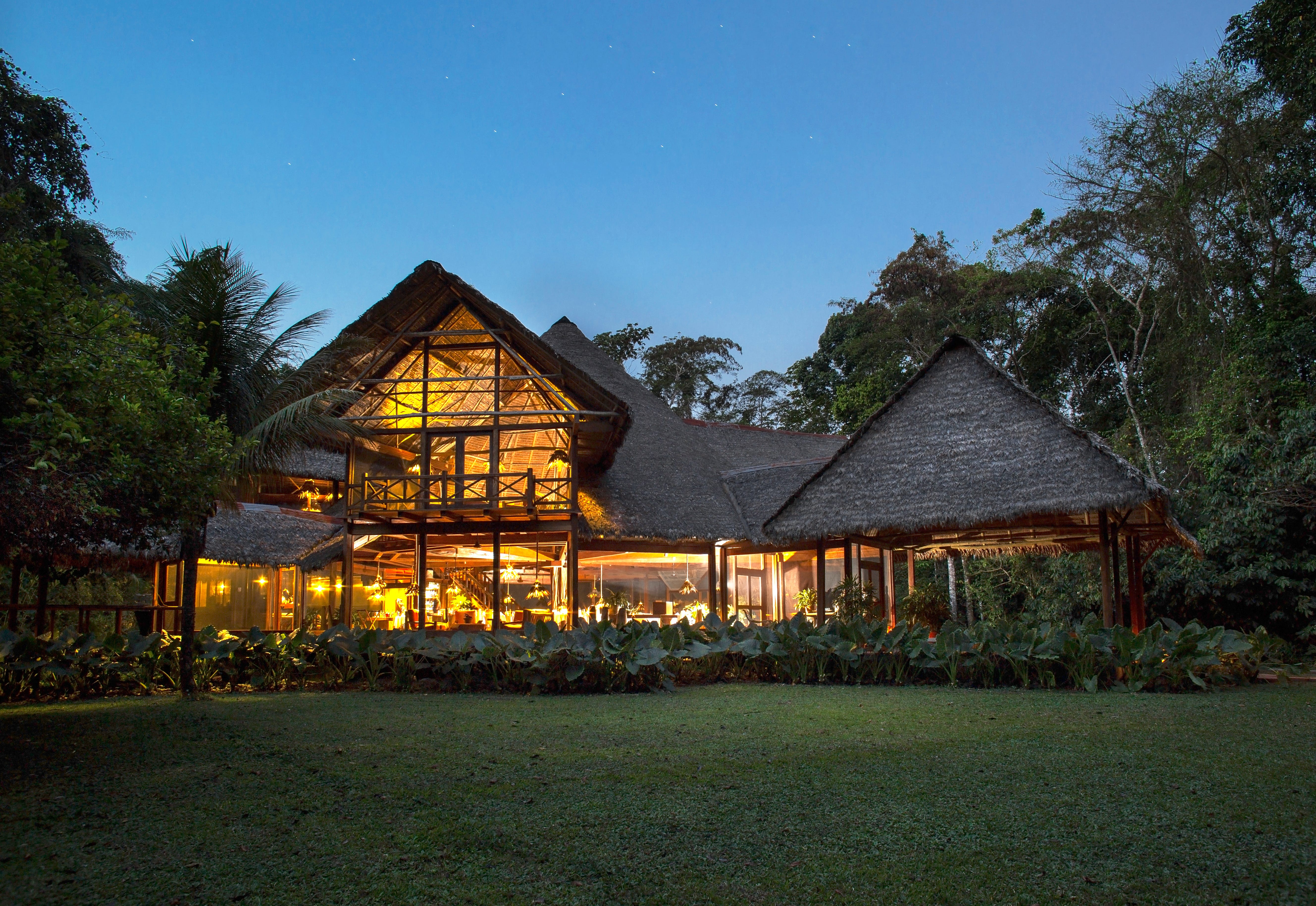
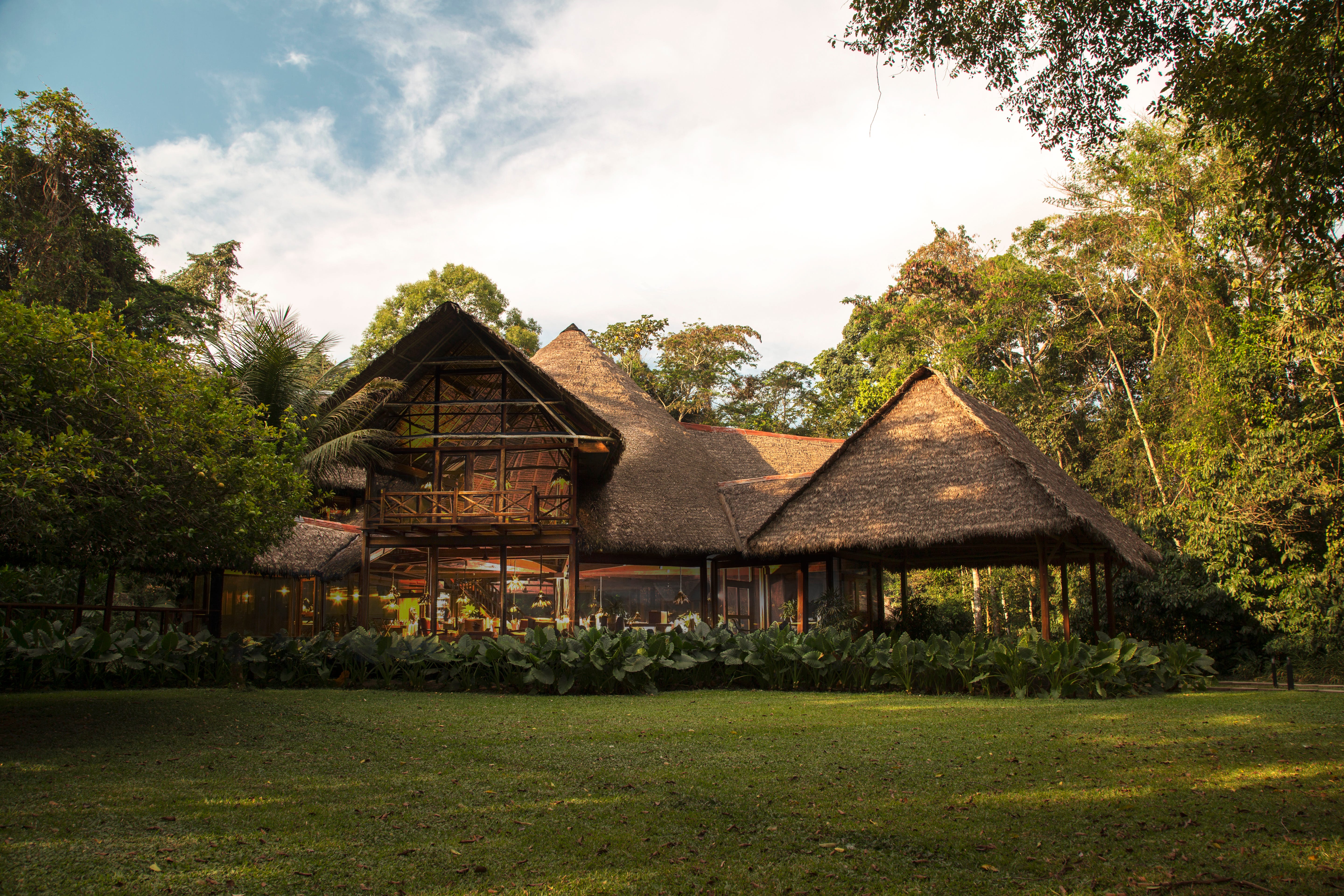
Seven-property Inkaterra was founded in 1975 by José Koechlin, a conservationist and former film producer. He was the first in Peru, by some stretch, to combine luxury with environmental stewardship. Starting with eco-lodges in the Amazon, he expanded to the likes of Machu Picchu and the Incan capital of Cusco.
Today, Inkaterra operates seven eco-luxury properties and leads major conservation efforts, from reforestation to scientific research stations. A recent headline of note: ‘Machu Picchu, now the world’s first carbon-neutral Wonder.’
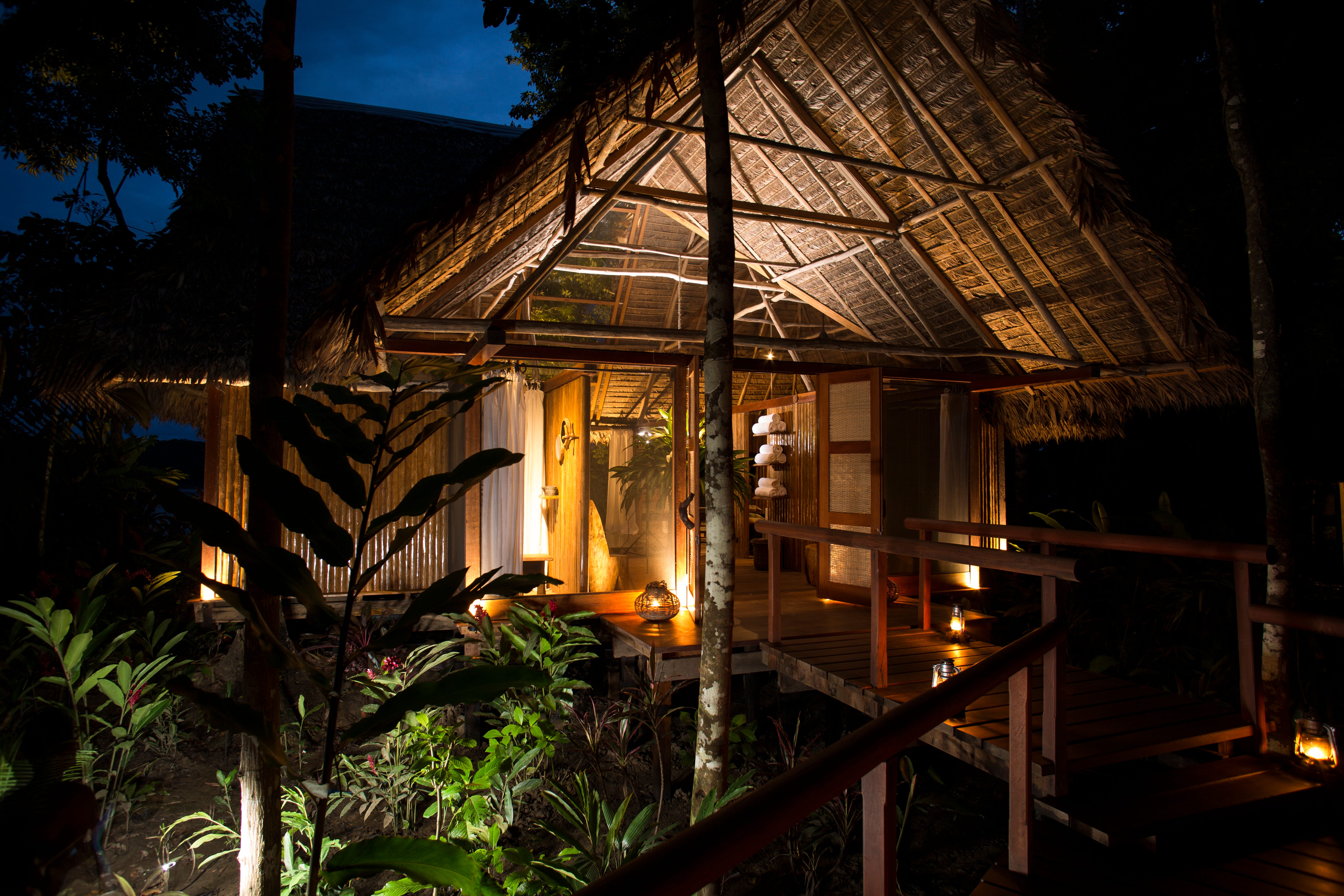
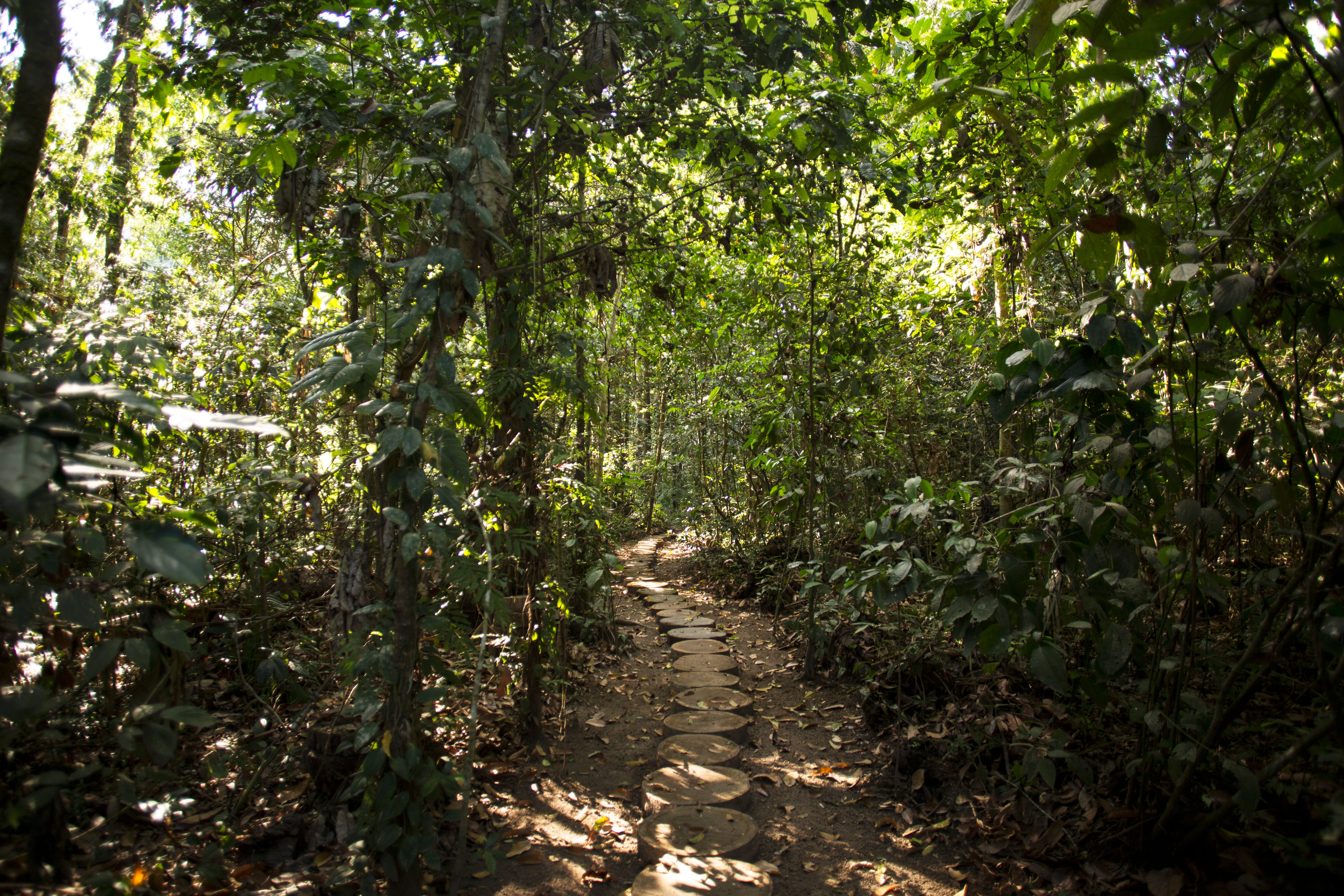
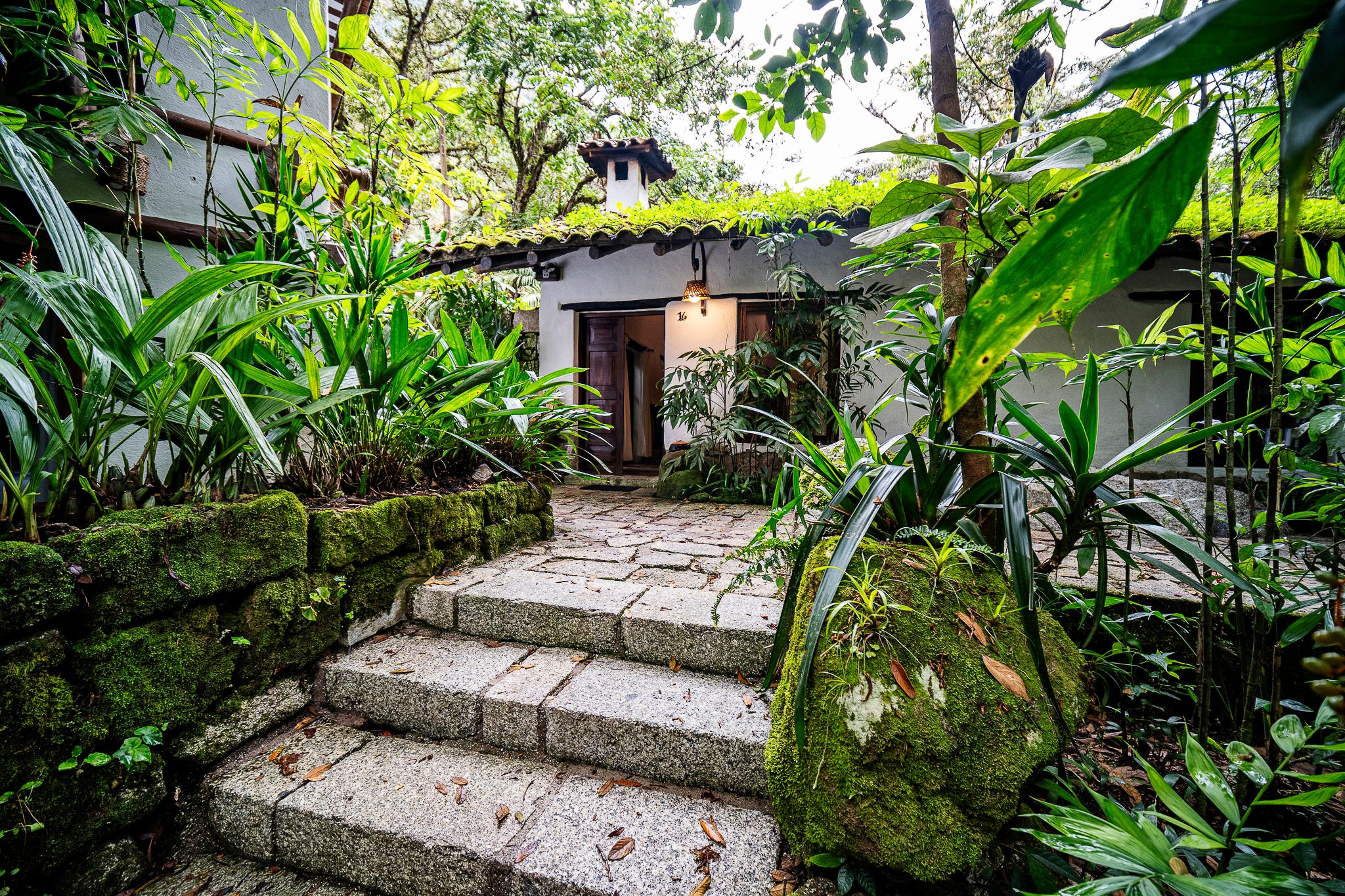
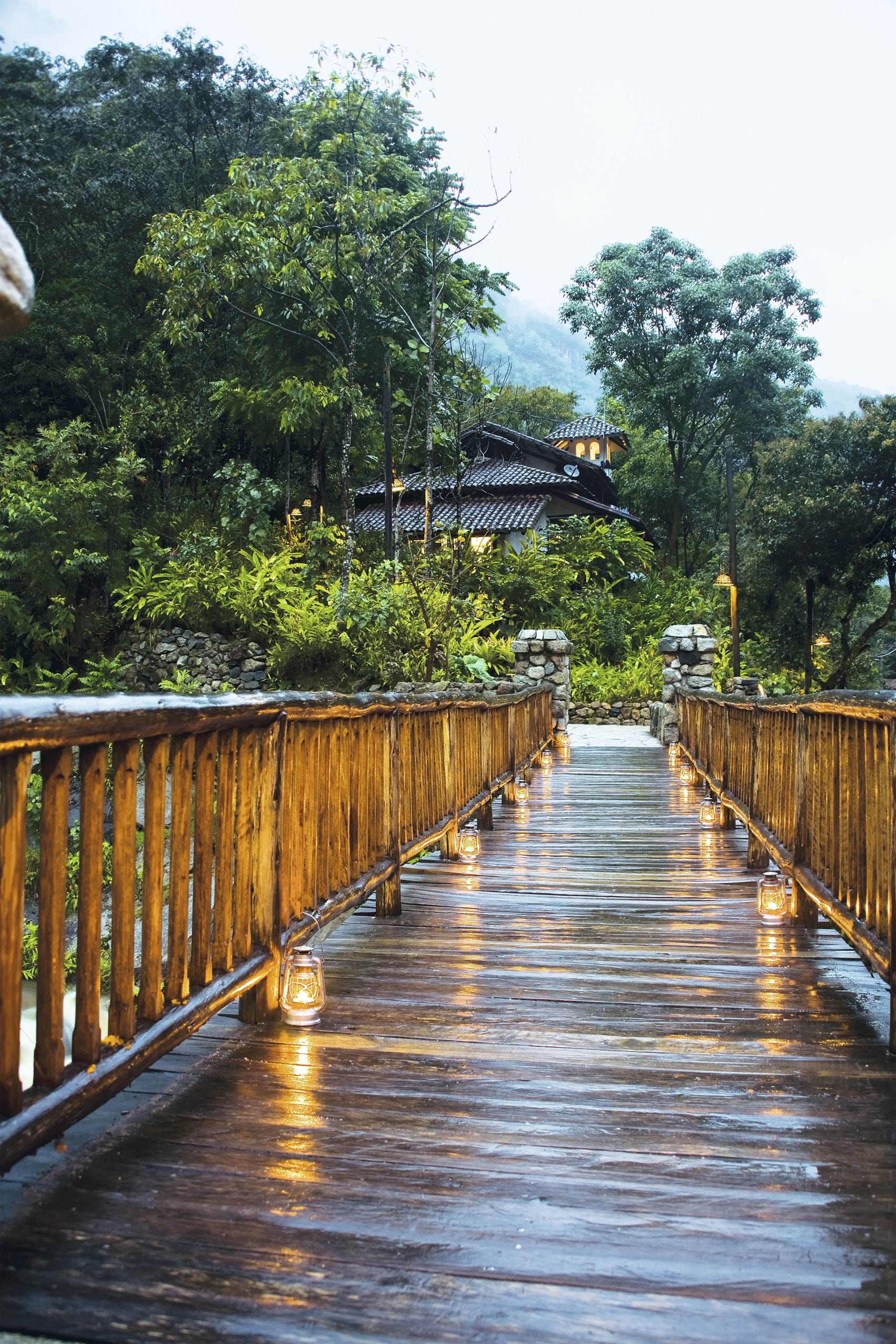
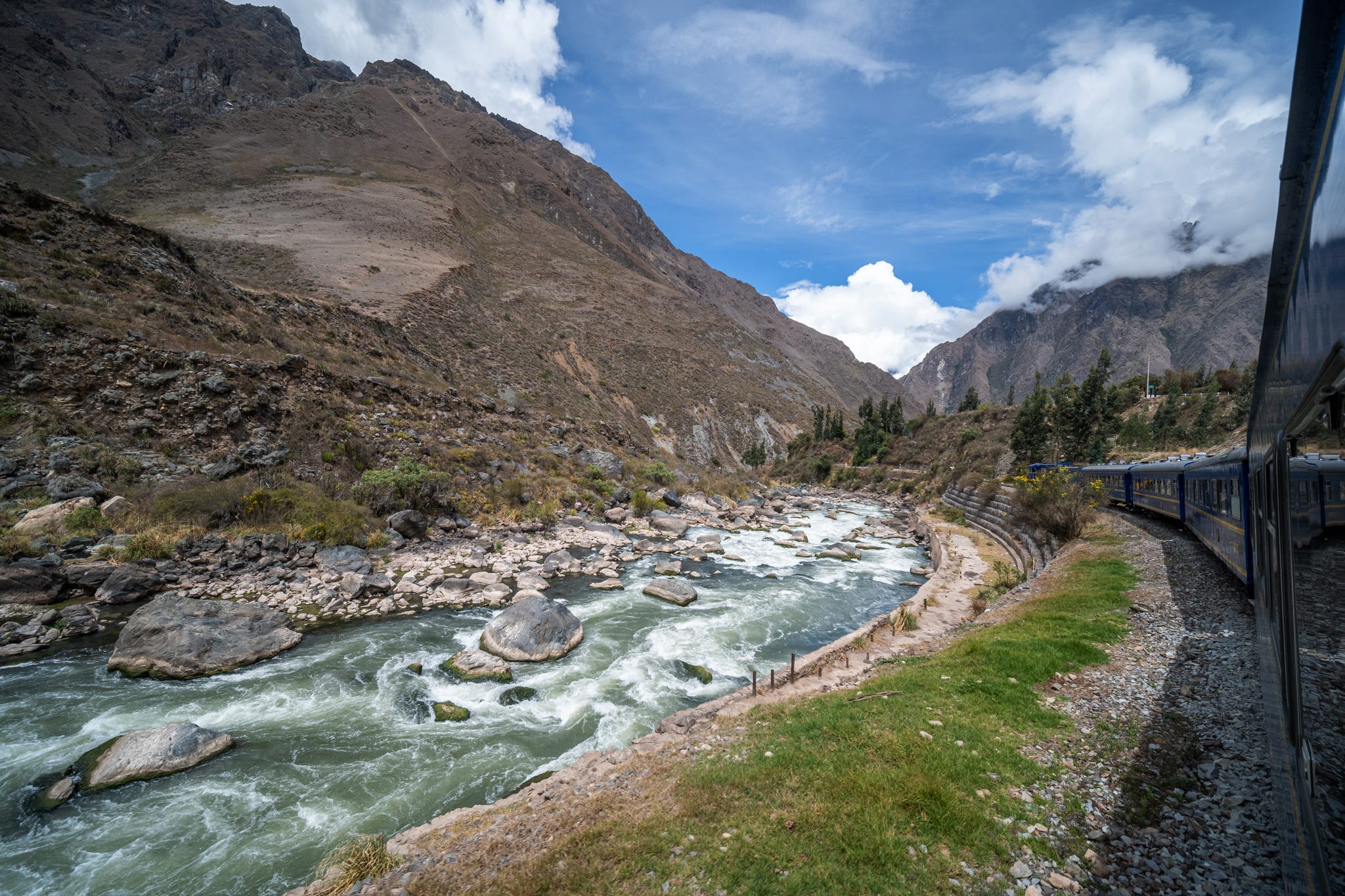
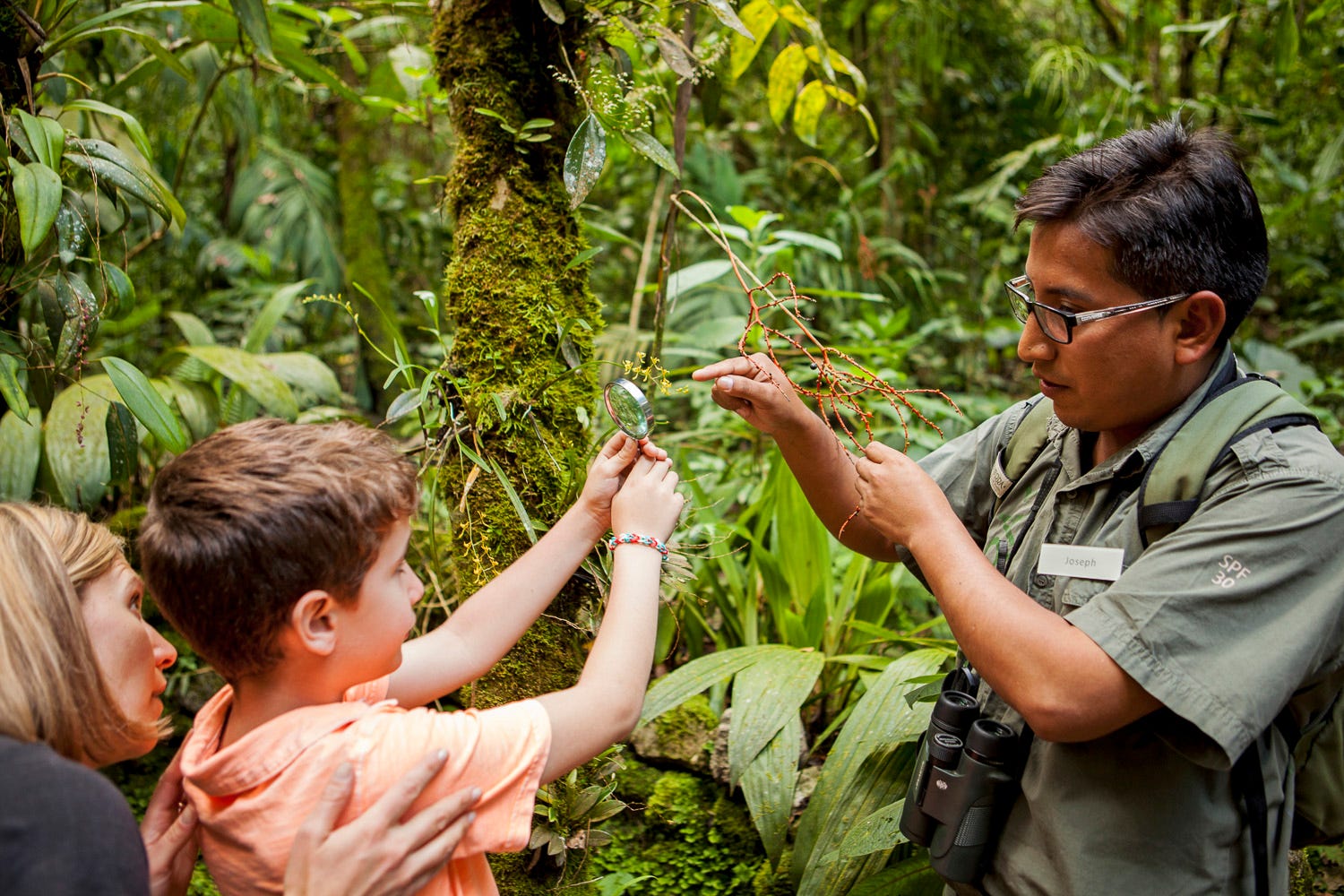
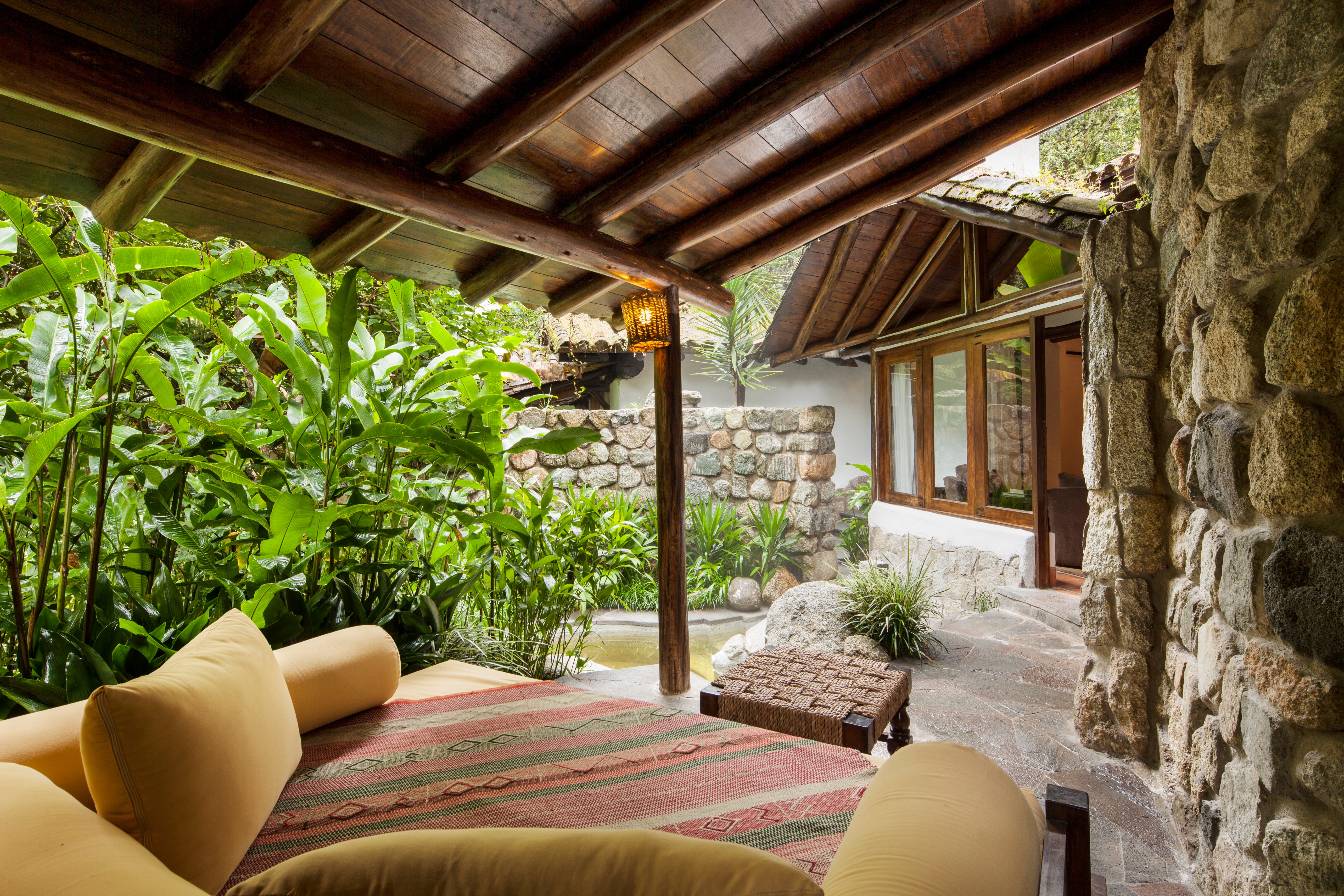
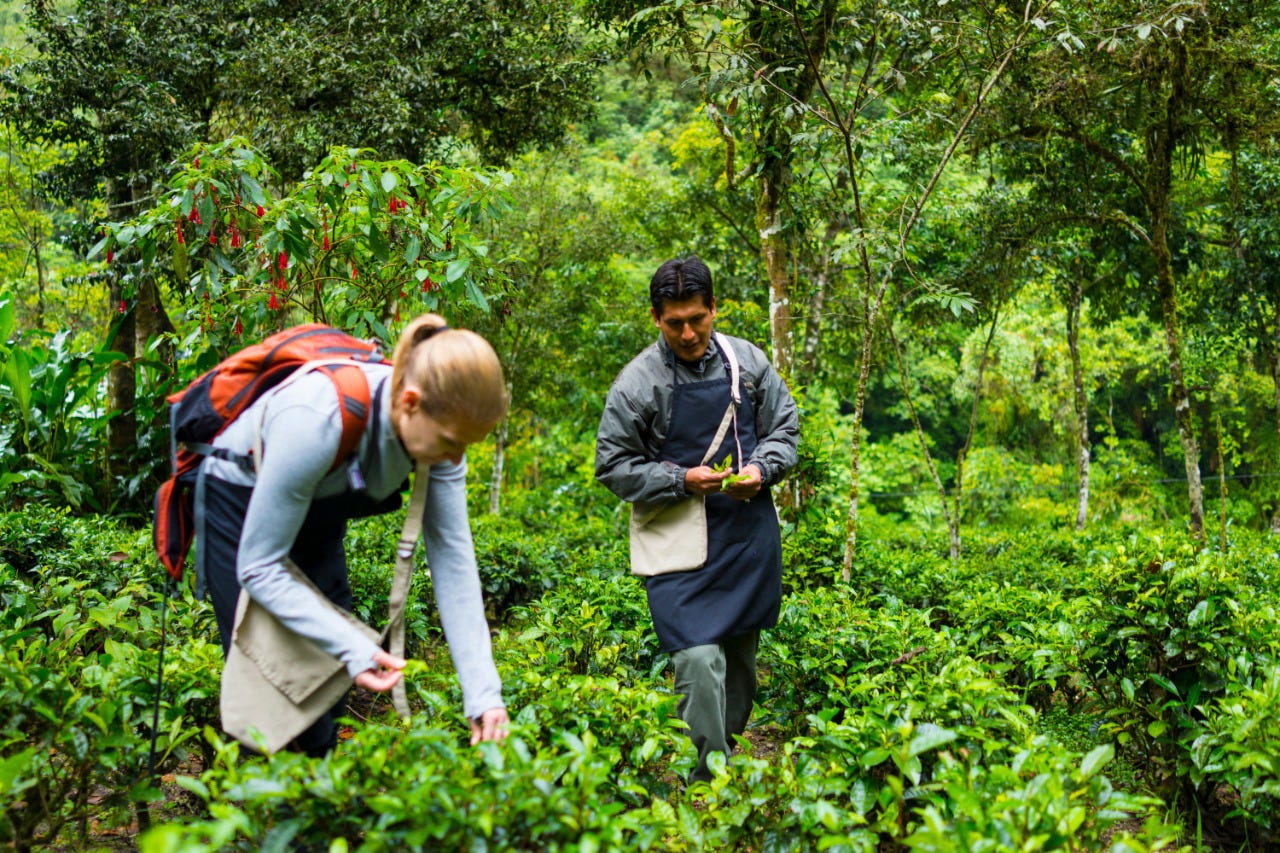
Literally buried in a cloud forest at the end of one of the world’s great railway lines, Inkaterra’s property in Machu Picchu (‘old peak’) is a place where a muscular, refulgent kind of nature seems to consume everything. The grounds of the hotel are a rampage of rare orchids, waterfalls and ceaseless birdsong. As I was ushered to my little lodge, I saw the uncanny clustering of hummingbirds around a feeder. They were being shot by a military-clad birdwatcher with a camera the size of Megatron’s cannon.
Of the world’s historic wonders (that I’ve visited), most have been a lasting disappointment. Pompeii and the Pyramids were a glut of nylon-clad tourists and selfie stick salesmen. Any attempts at immersing oneself in the space is kiboshed by the vision of the gorpcore hordes abusing the view for perishable culture points.
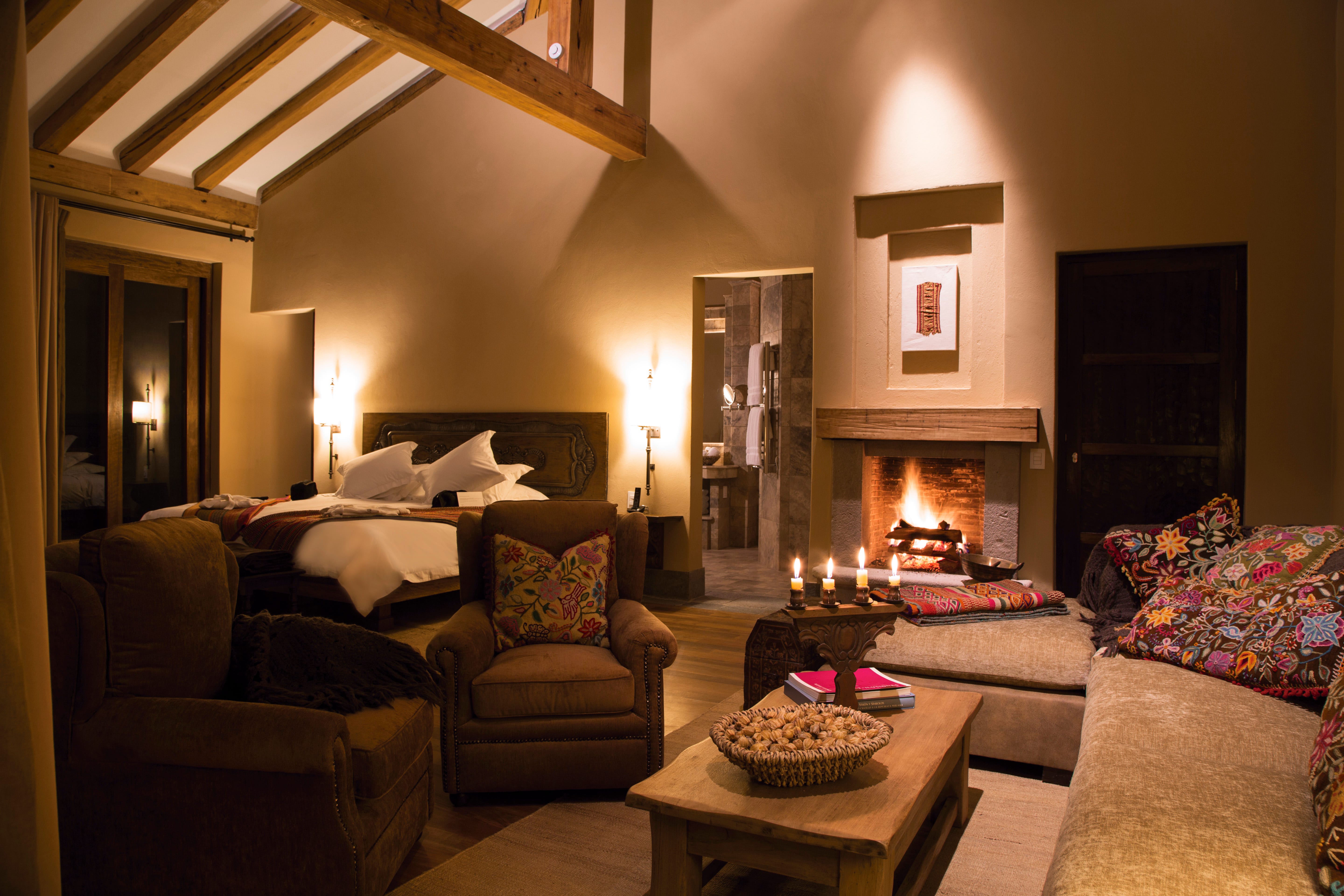
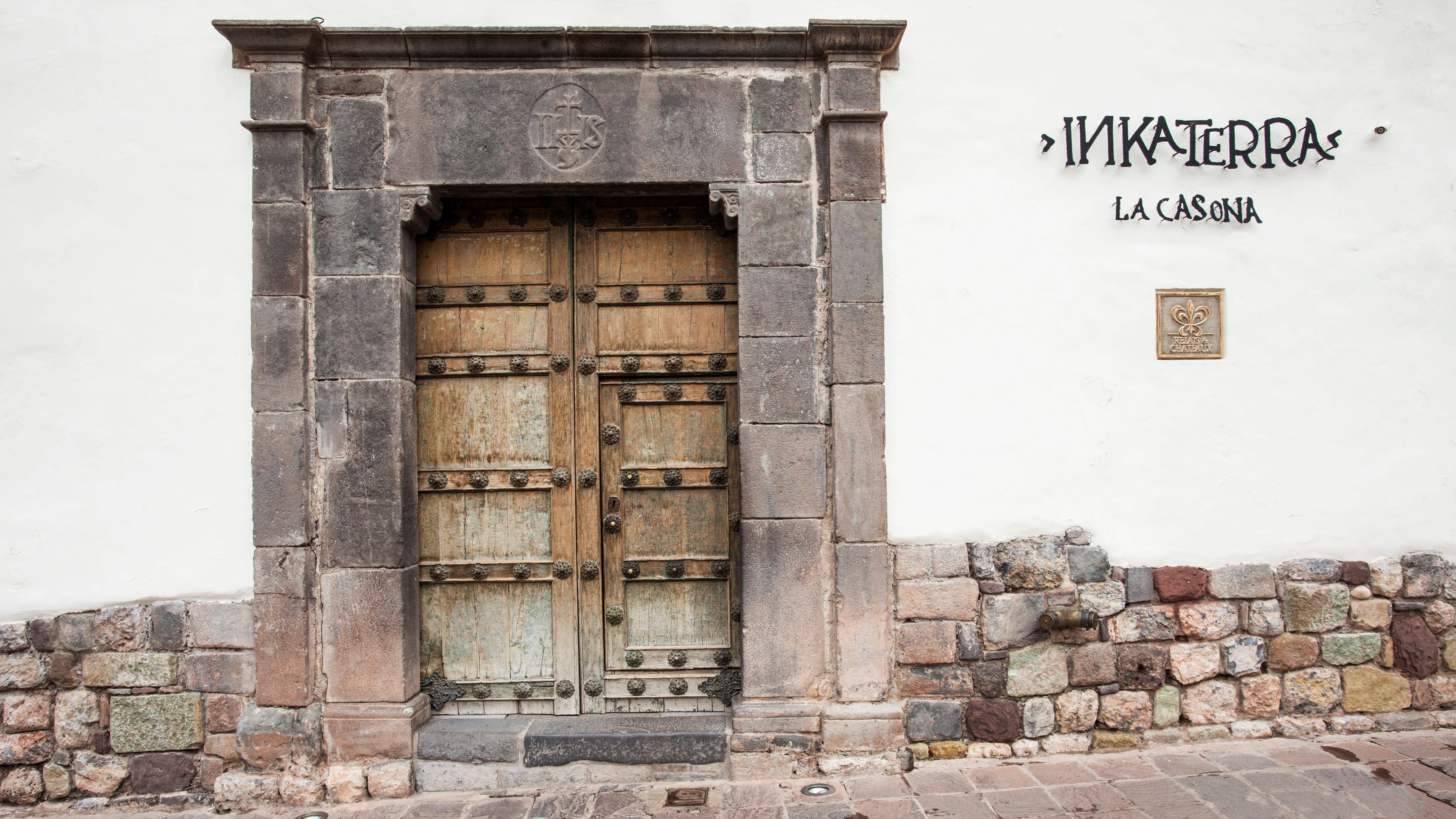
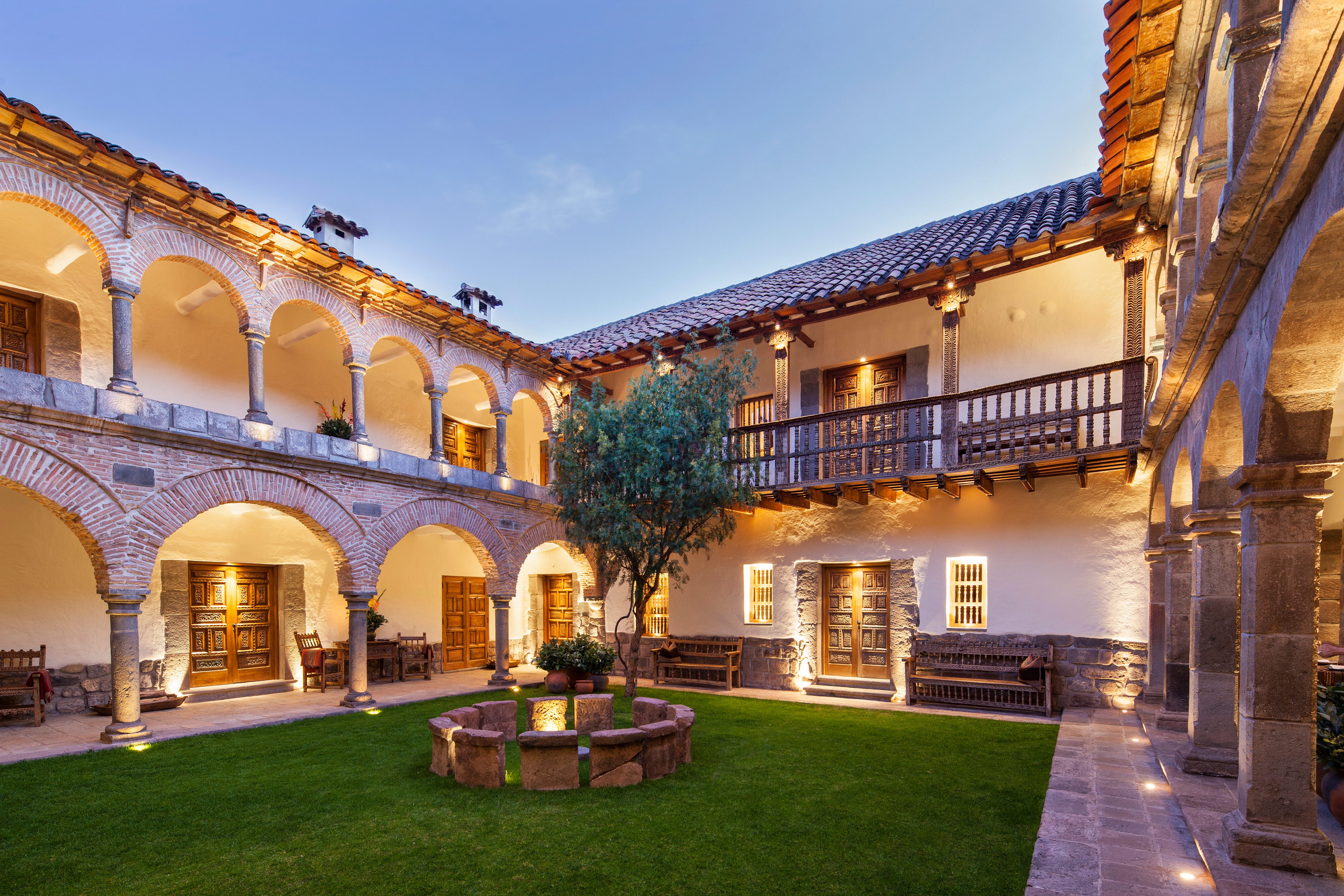
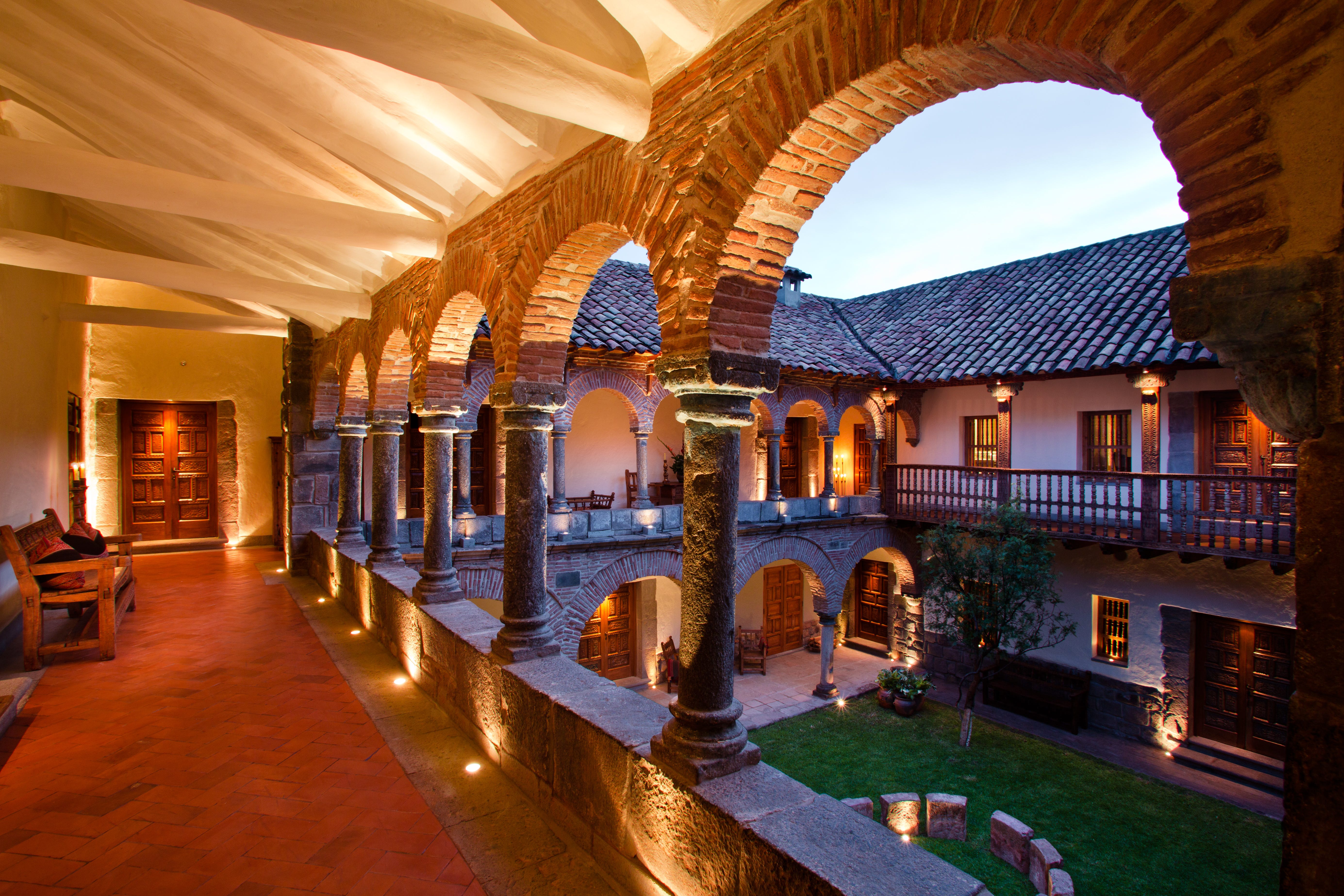
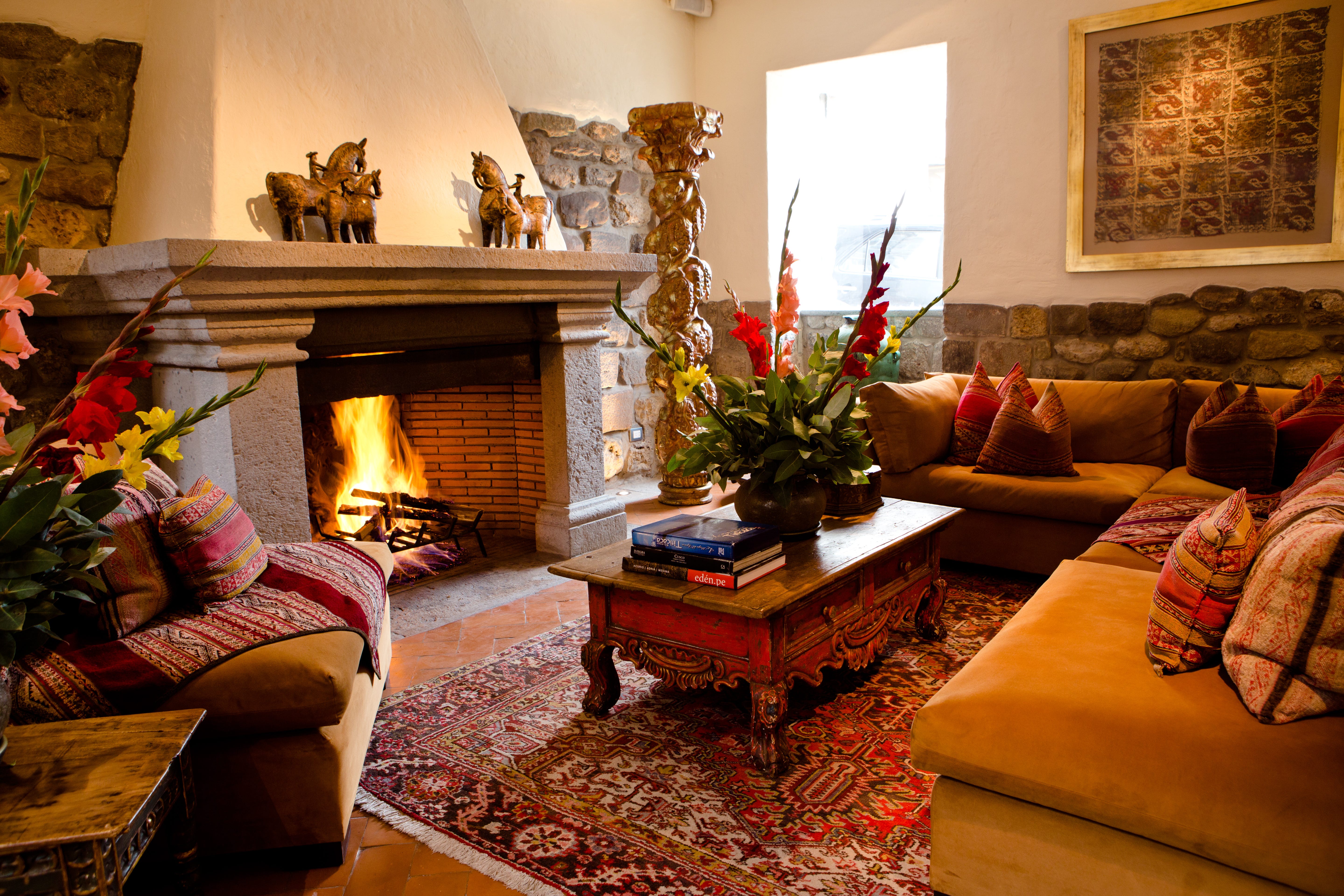
Before arriving at Machu, I spent the evening in a 16th-century colonial mansion in the heart of Cusco. Inkaterra La Casona is a classy place to acclimate to the altitude, though nothing truly prepares you for 3,400m above sea level.
I was told ‘no booze’ for the first few days, but I had an afternoon free and couldn’t help myself when I saw a bar offering pisco sour masterclasses over the road. The national drink of Peru, pisco has been a point of pride (and contention with Chile) for centuries. Distilled from grapes, it varies in style from region to region. Mixed into a sour – with lime juice, sugar syrup, egg white and a few dashes of Angostura bitters – it’s dangerously smooth. Obviously I regretted drinking five of them, but my sarcophagus-sized stone bath back at La Casona mollified nicely.

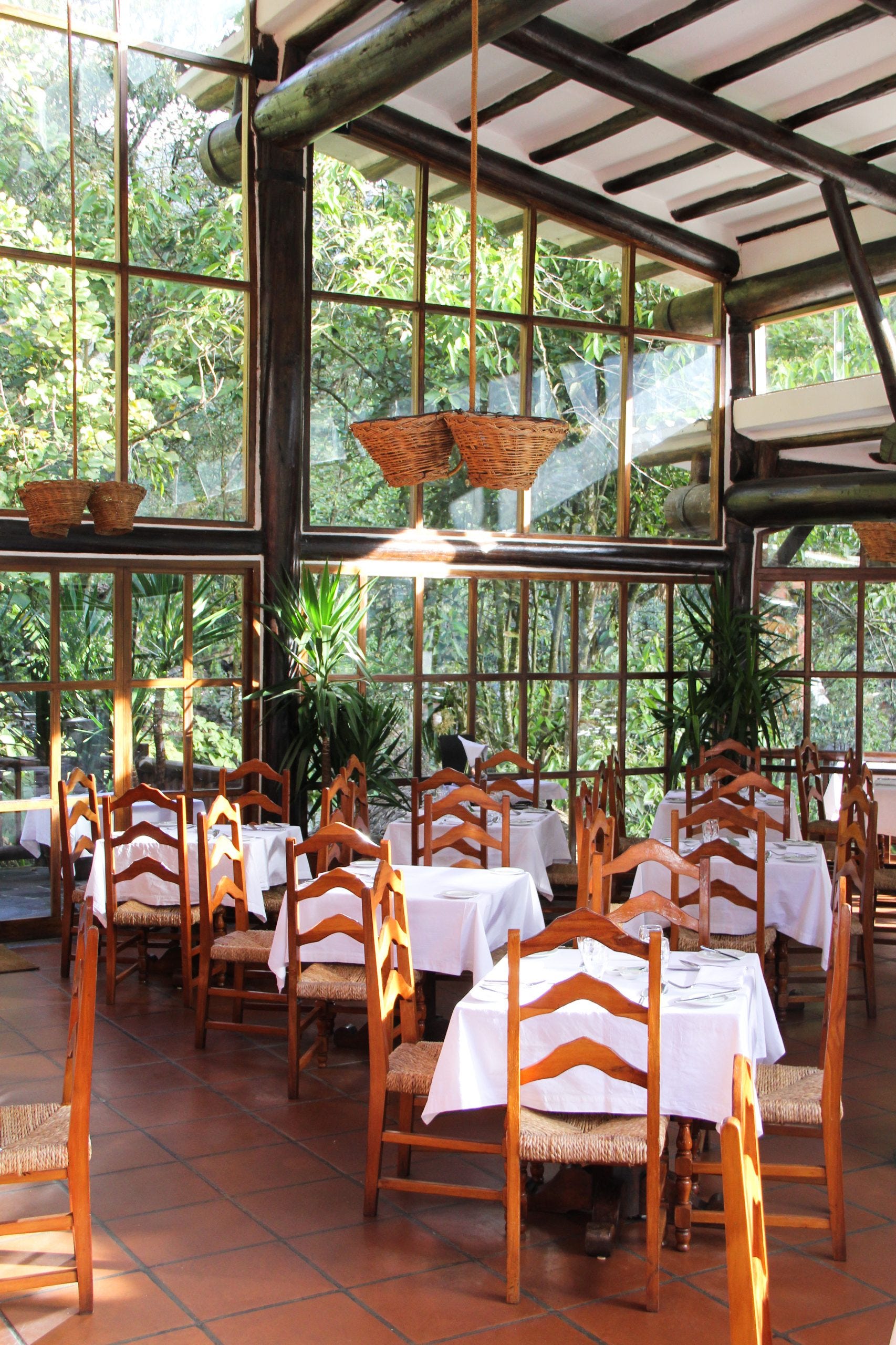

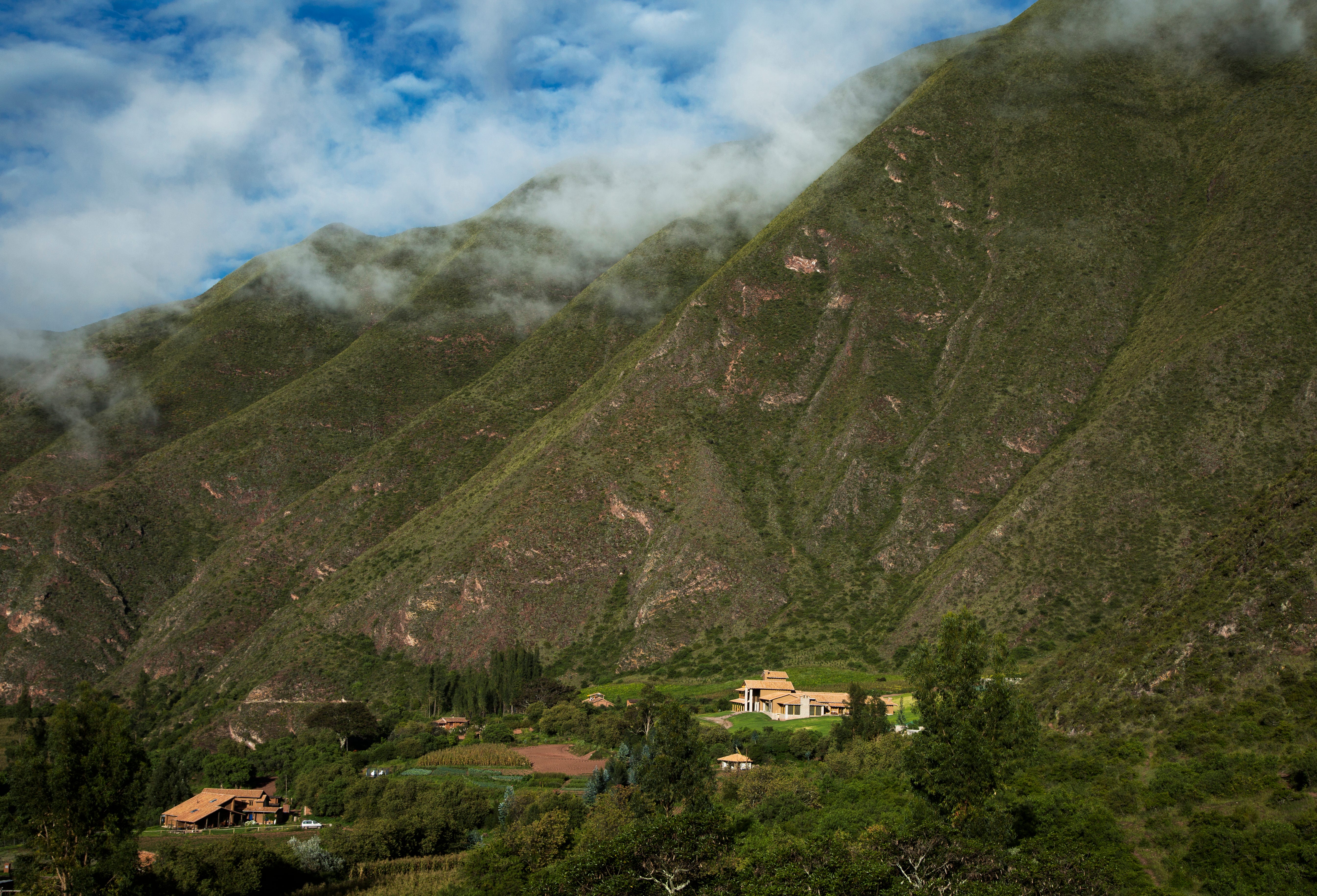
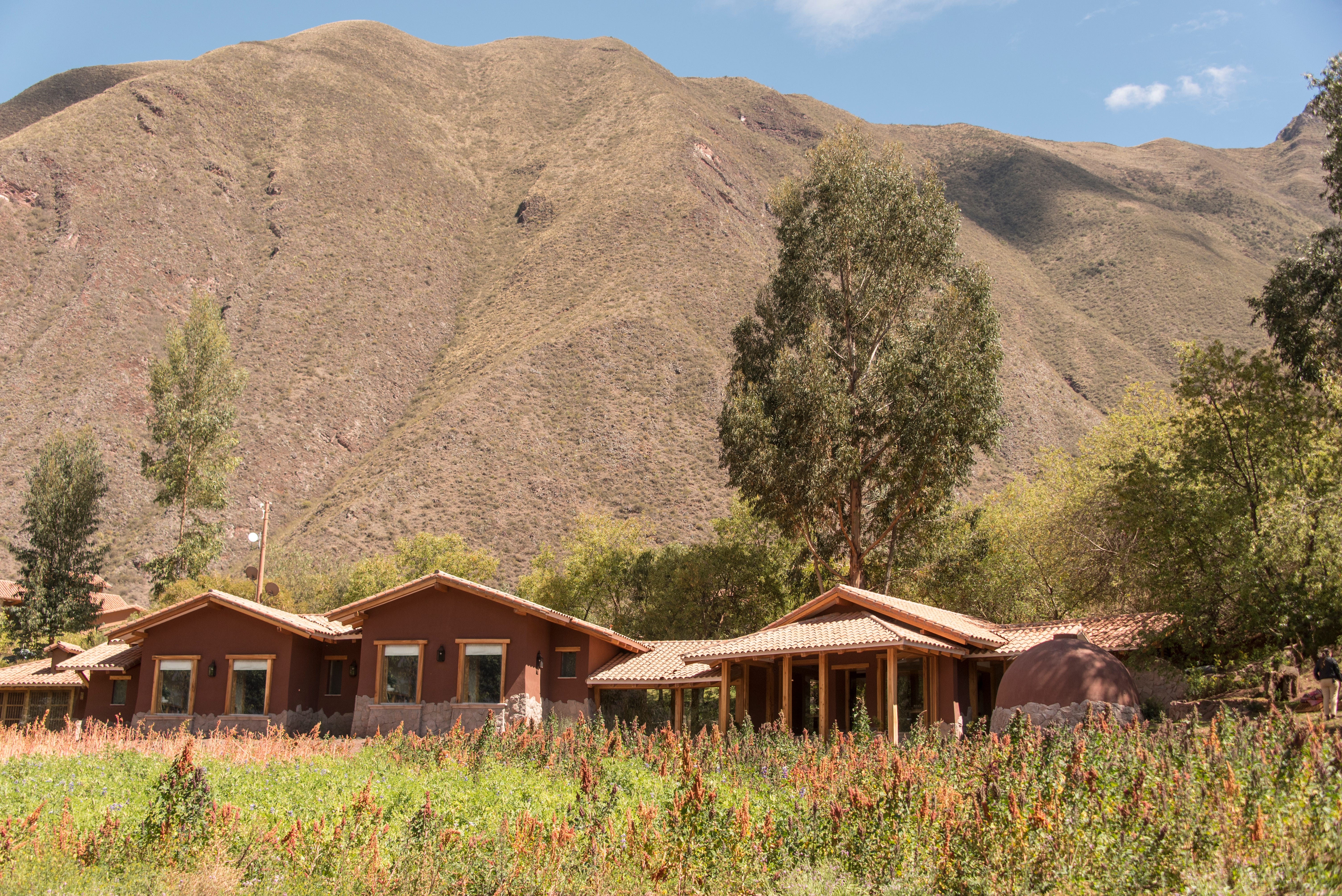
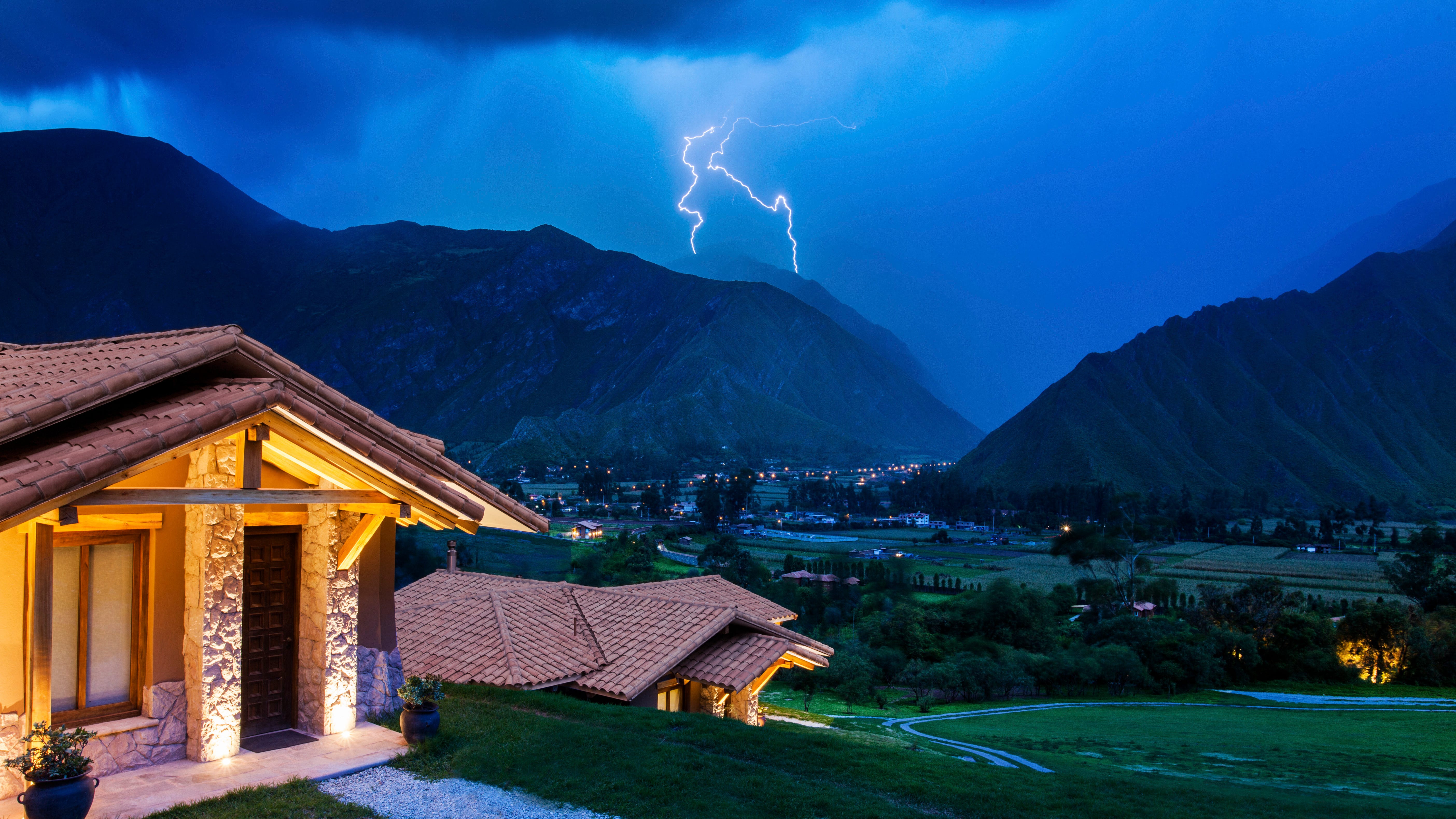
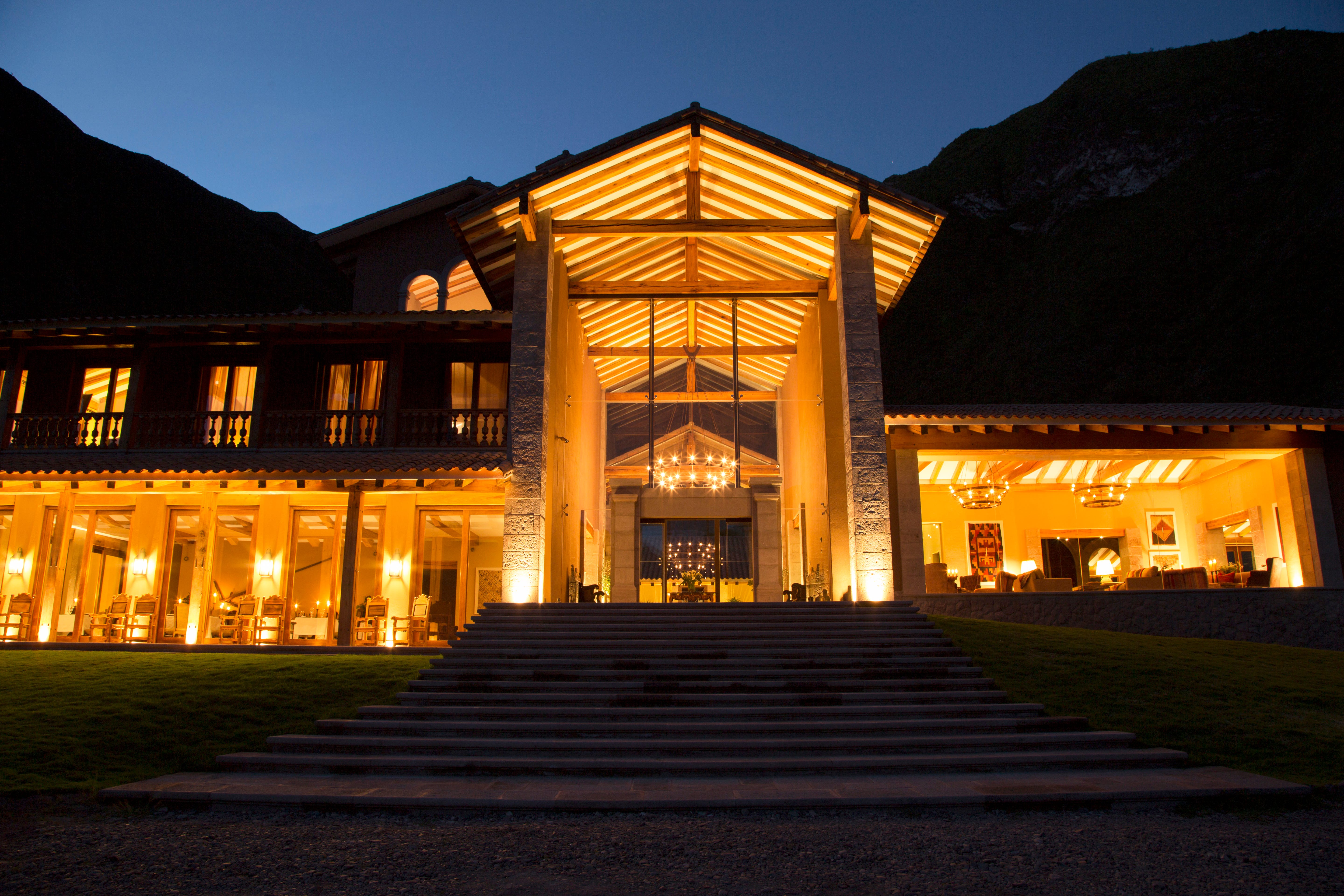
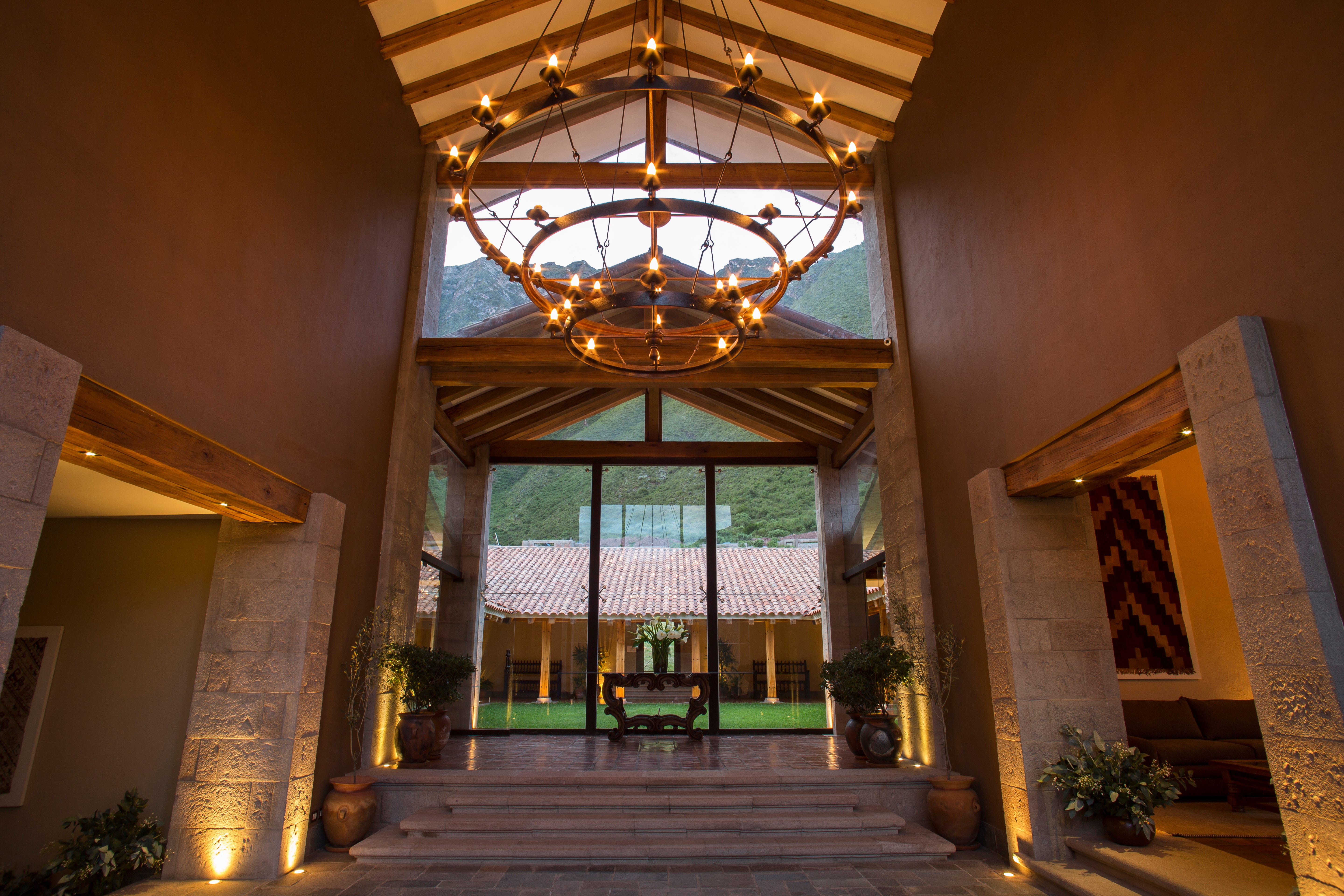
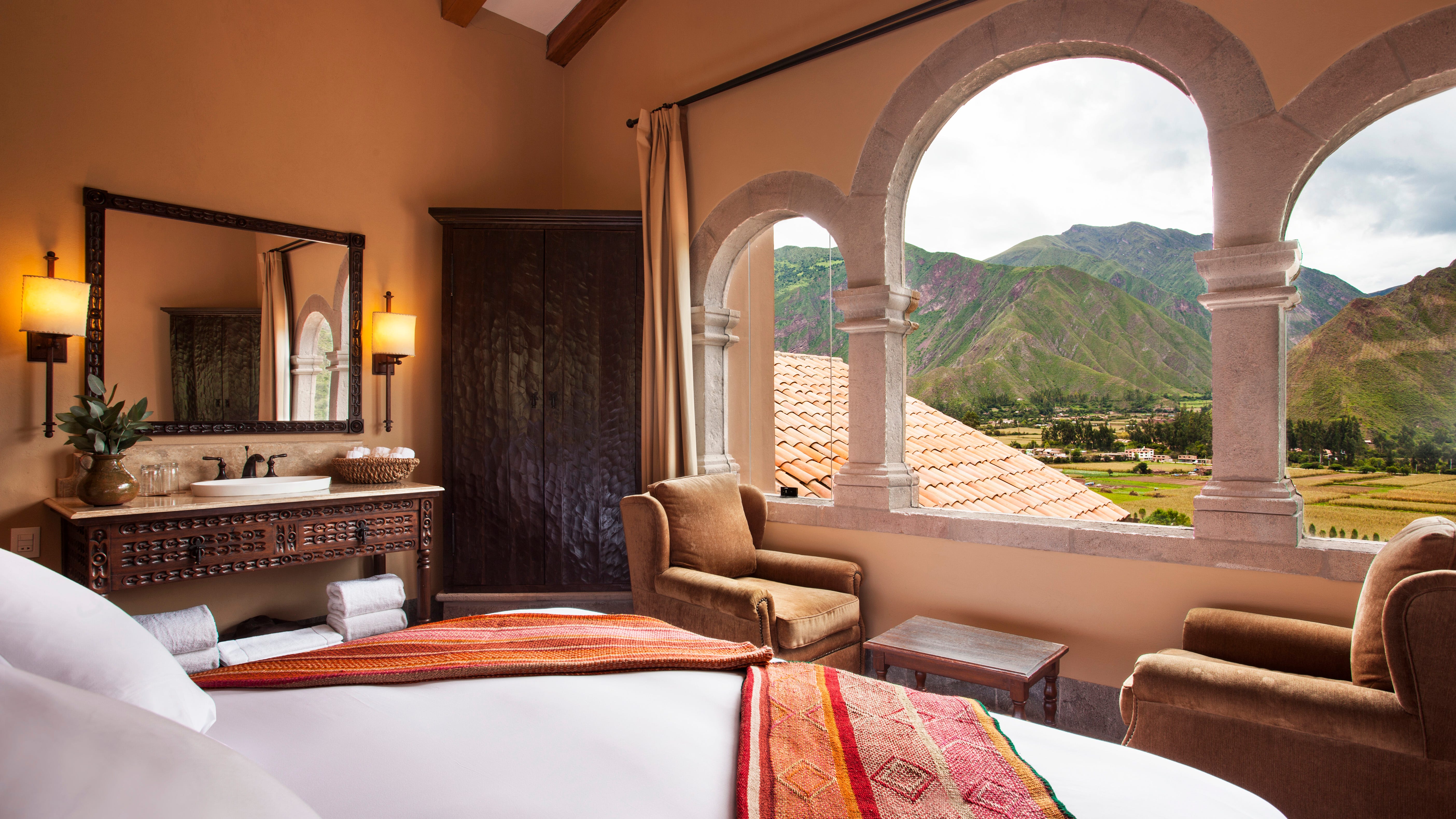
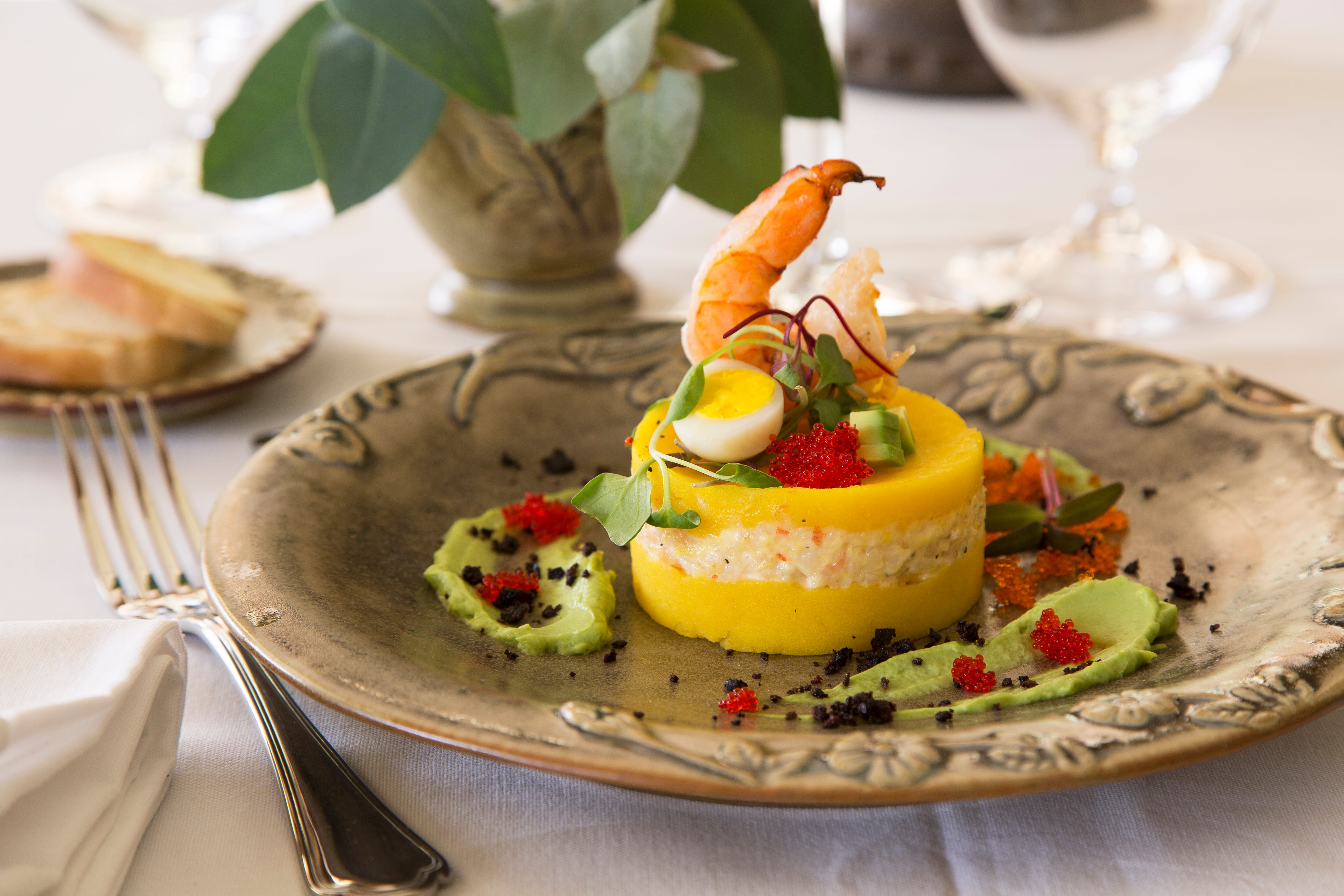
On my way out of the mountains, I took a midday interlude at Inkaterra’s Hacienda Urubamba. The Sacred Valley stretched out in front of the lodge, its contours traced by ancient agricultural terraces. Lunch was farm-to-table finesse, but I still had an appetite after. The solution? A roadside guinea pig skewer – crispy, gamey, and eaten with my fingers. Like a Sunday roast with none of the ceremony.

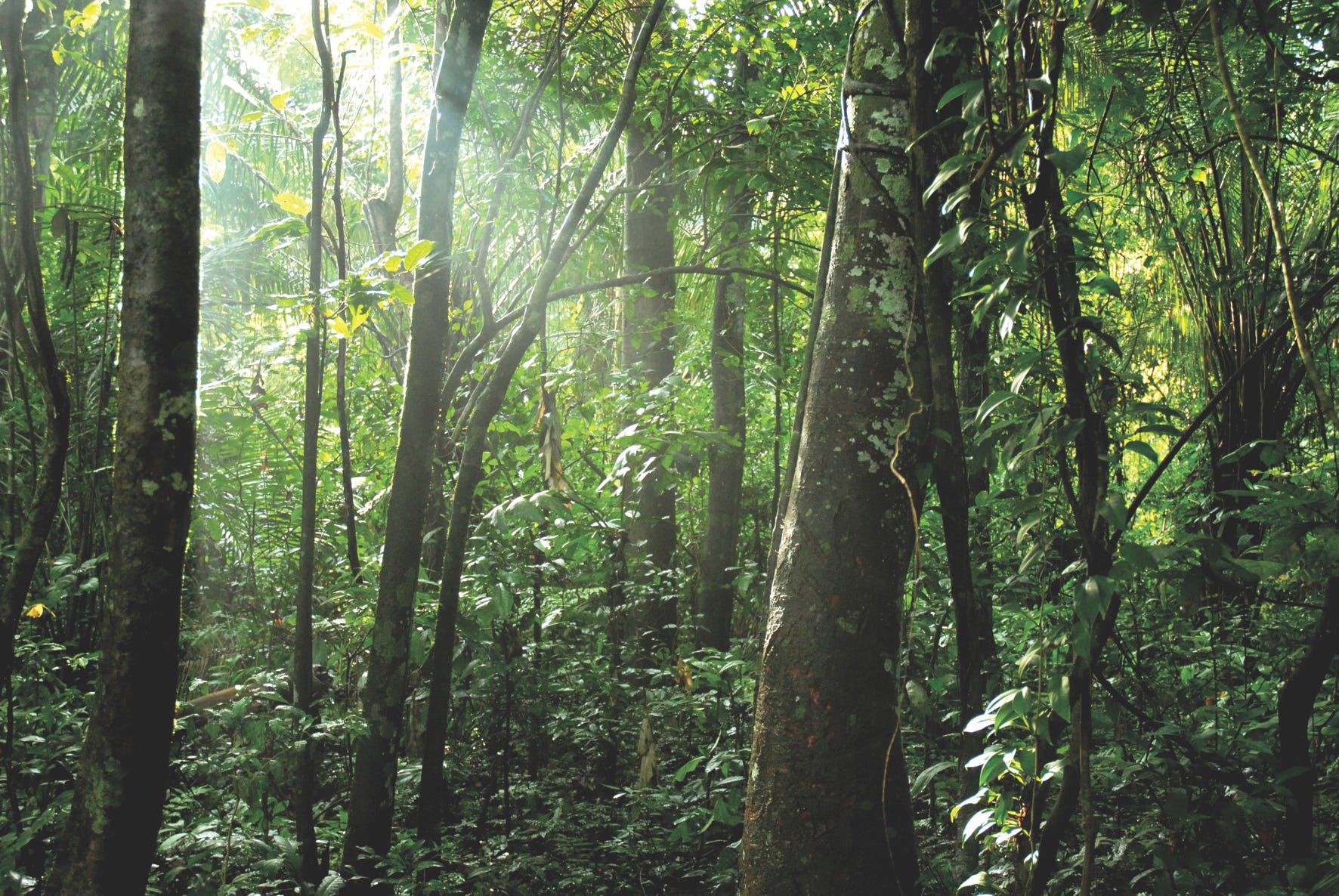
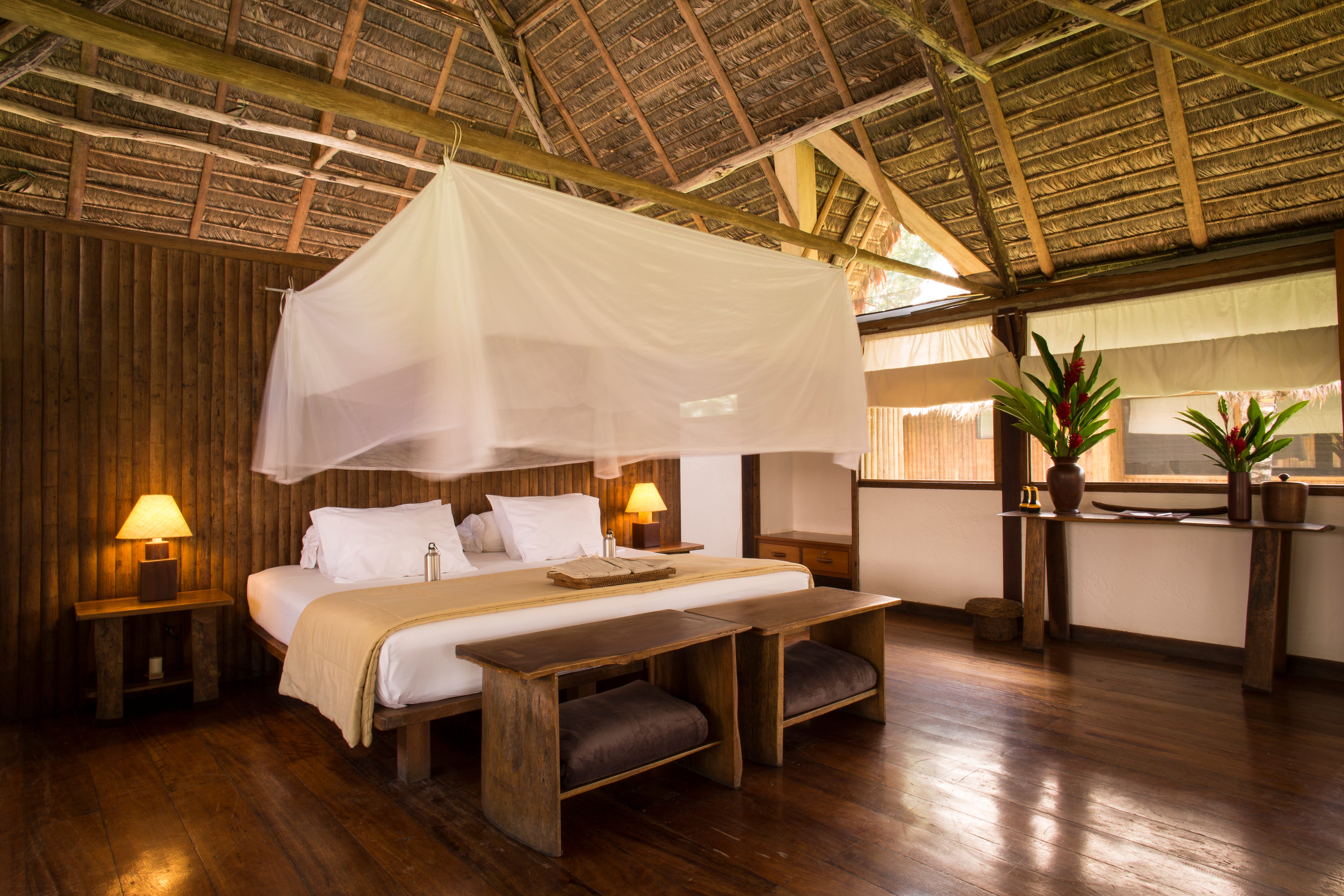
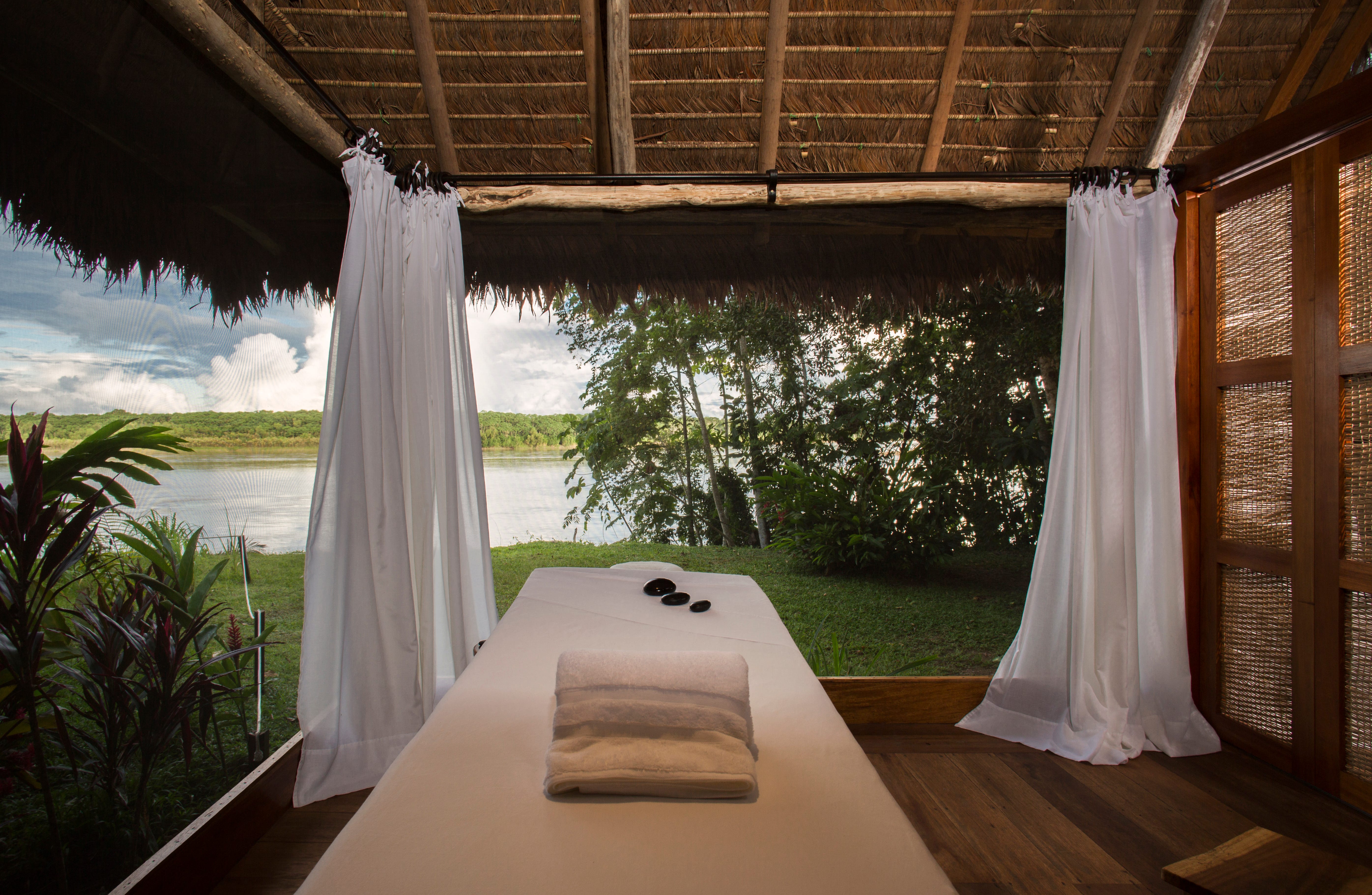
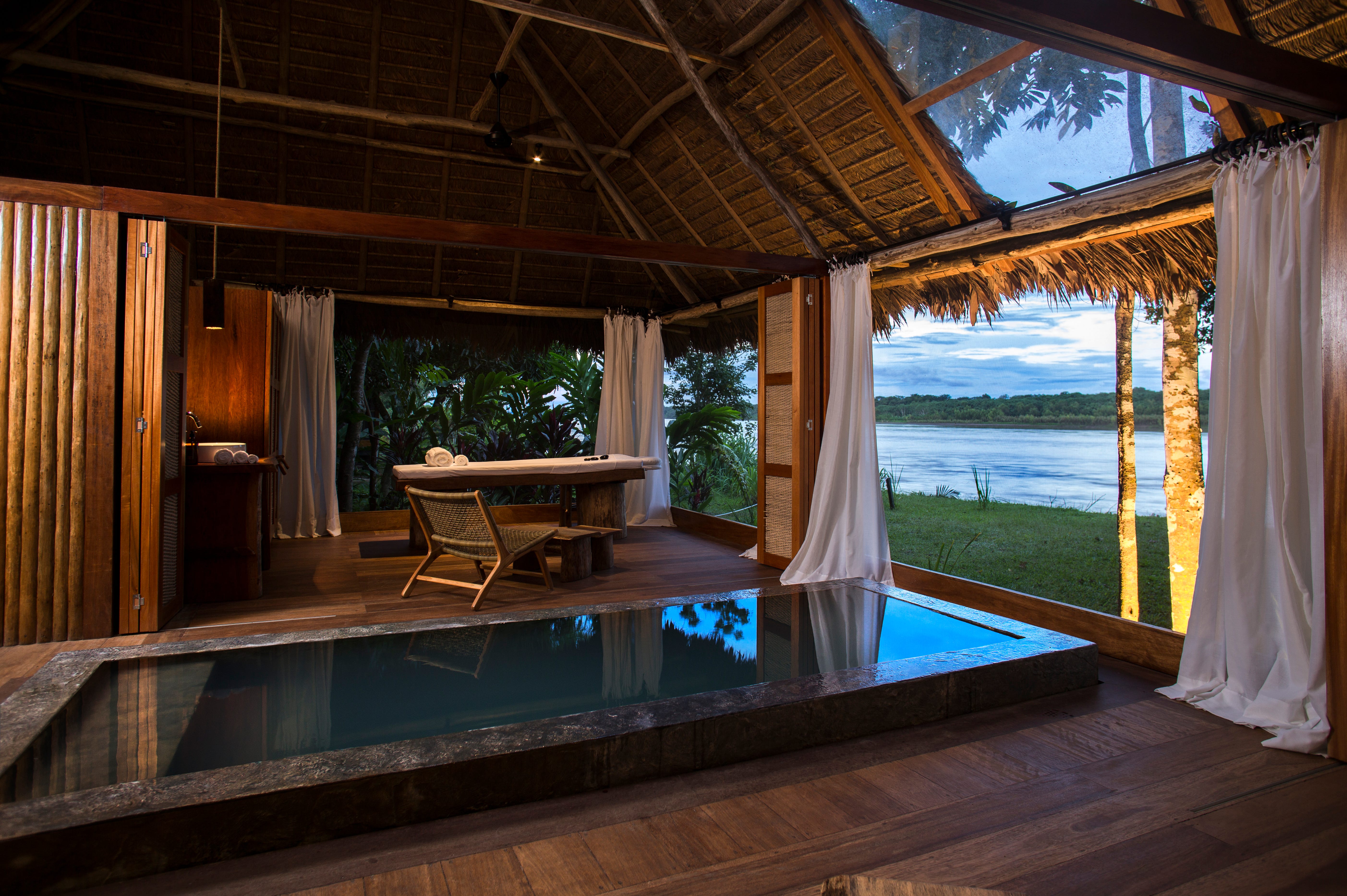
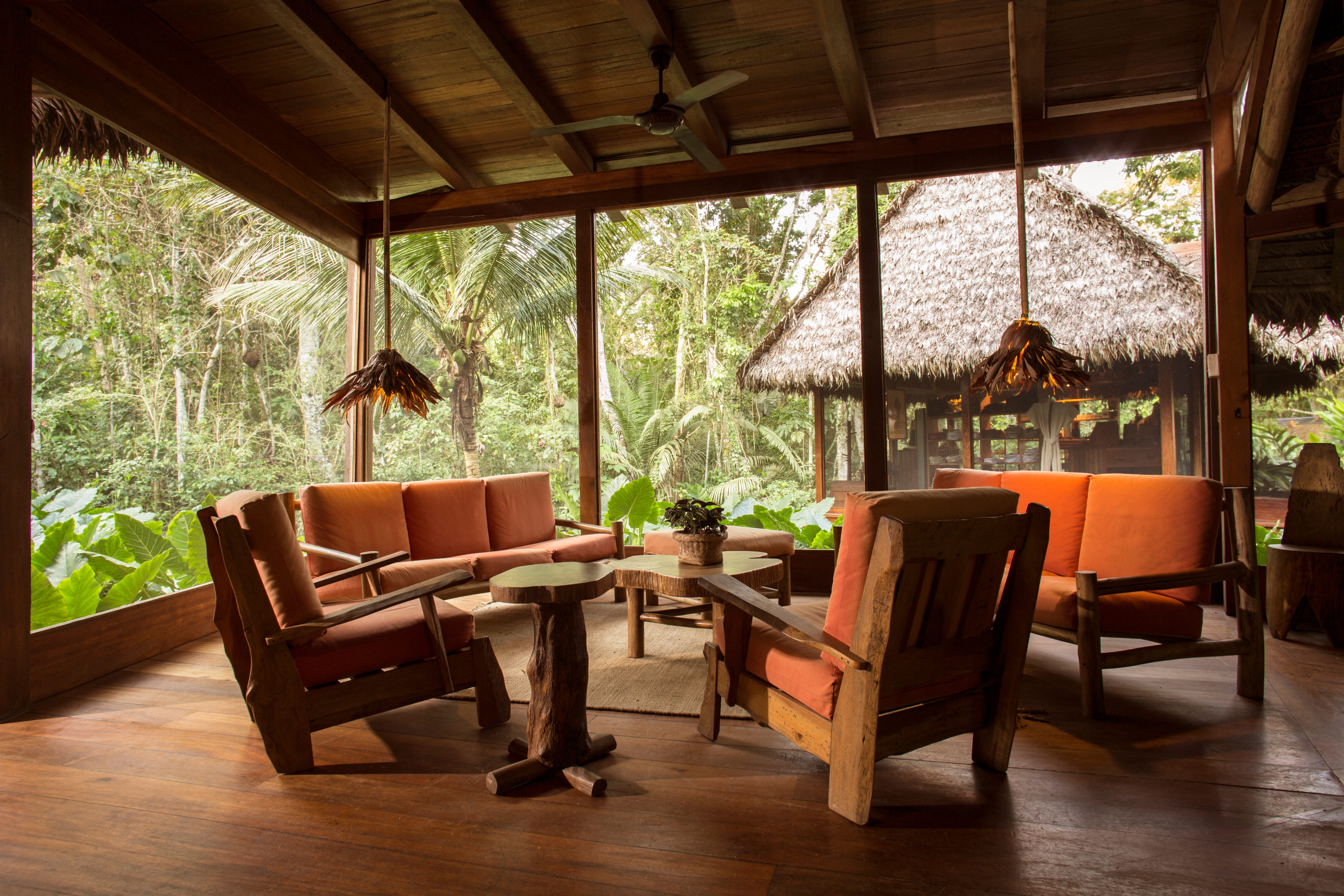
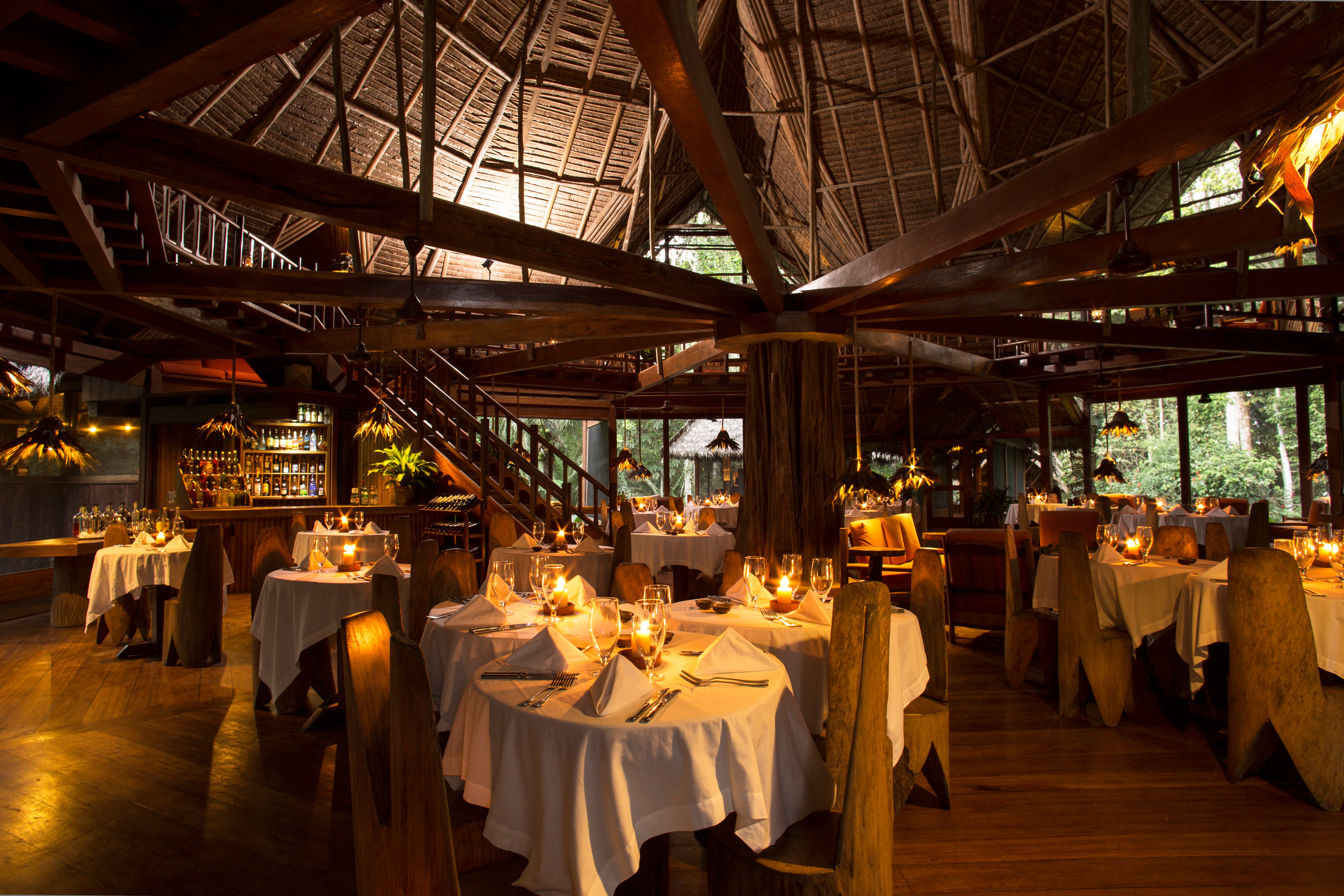
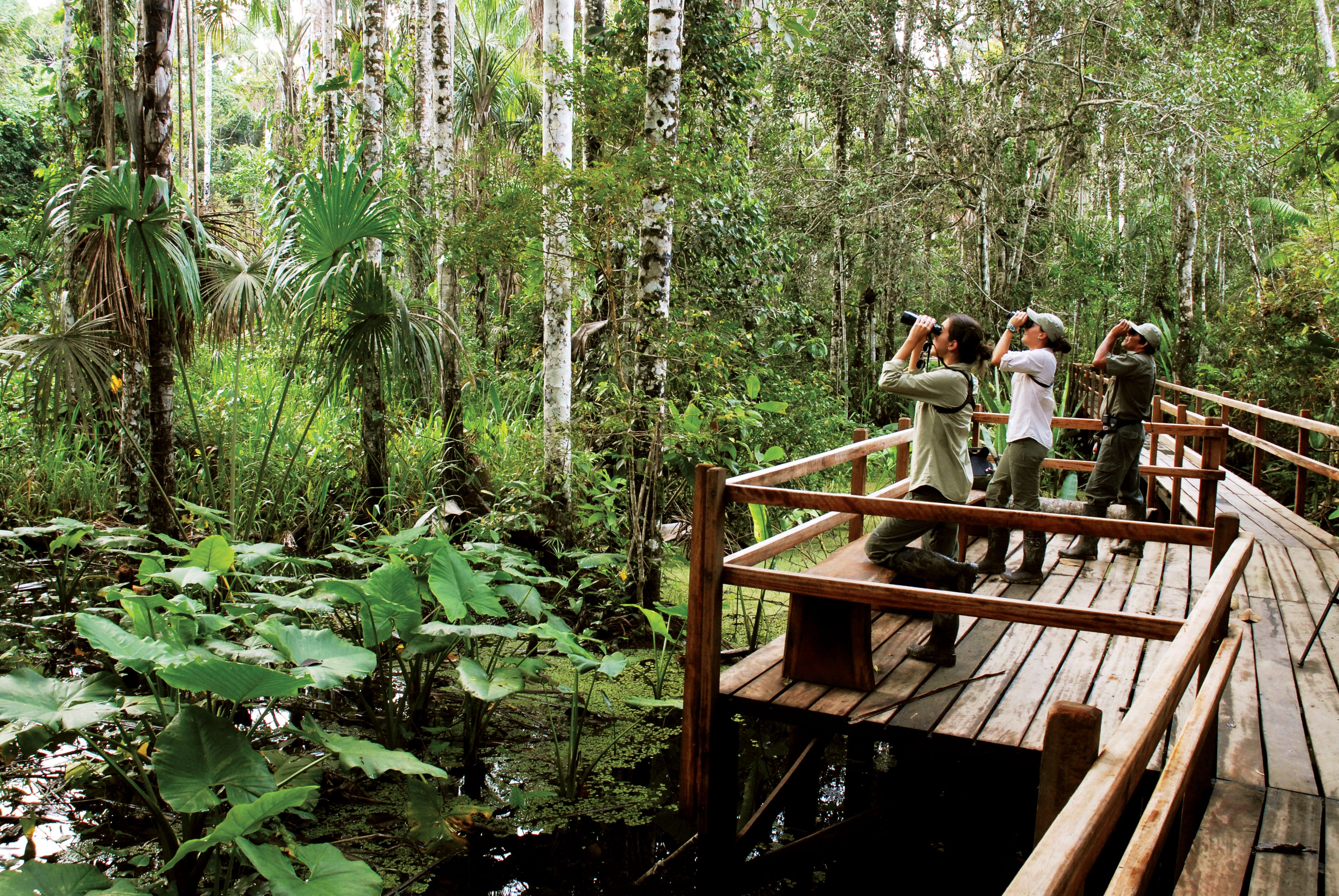
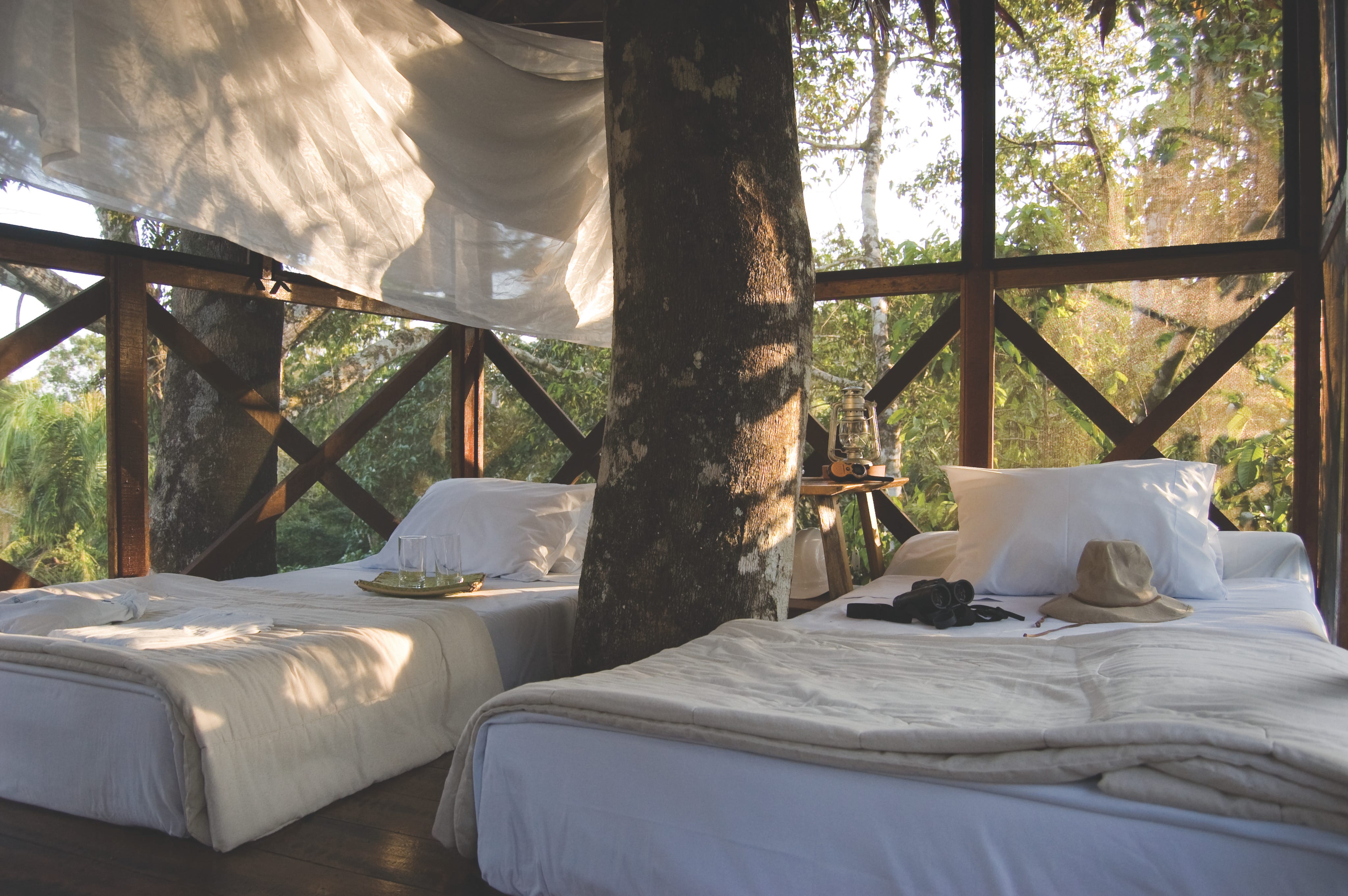
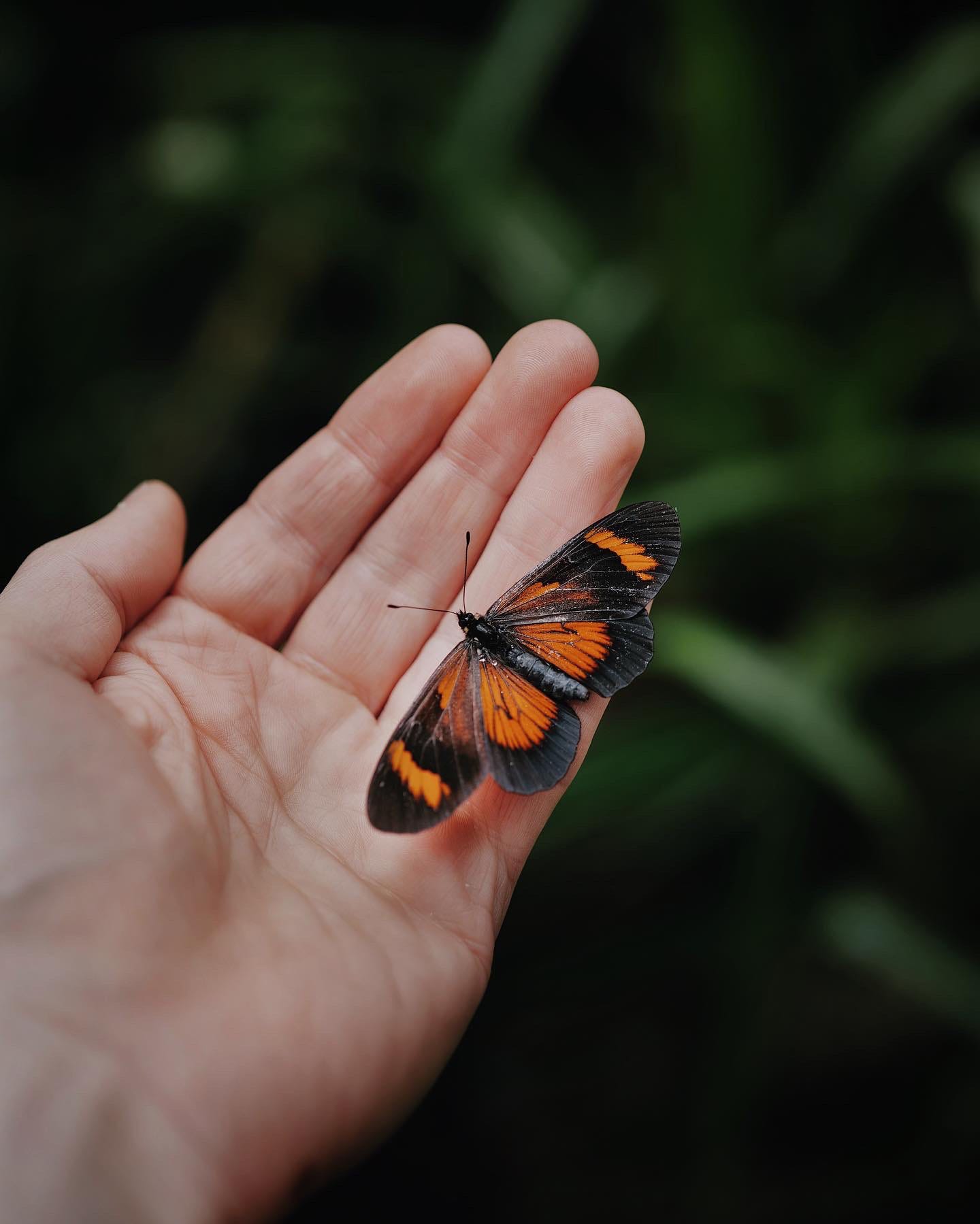
Next, another world, in the Peruvian Amazon. I’d swapped Andean cool for rainforest humidity at Inkaterra Reserva Amazónica, a jungle lodge accessible only by boat. It’s part of a 17,000-hectare private ecological reserve adjacent to the Tambopata National Reserve. Focus on anything for more than a few seconds and the place starts moving. I was transfixed by two blue dragonflies performing a balletic mating session.
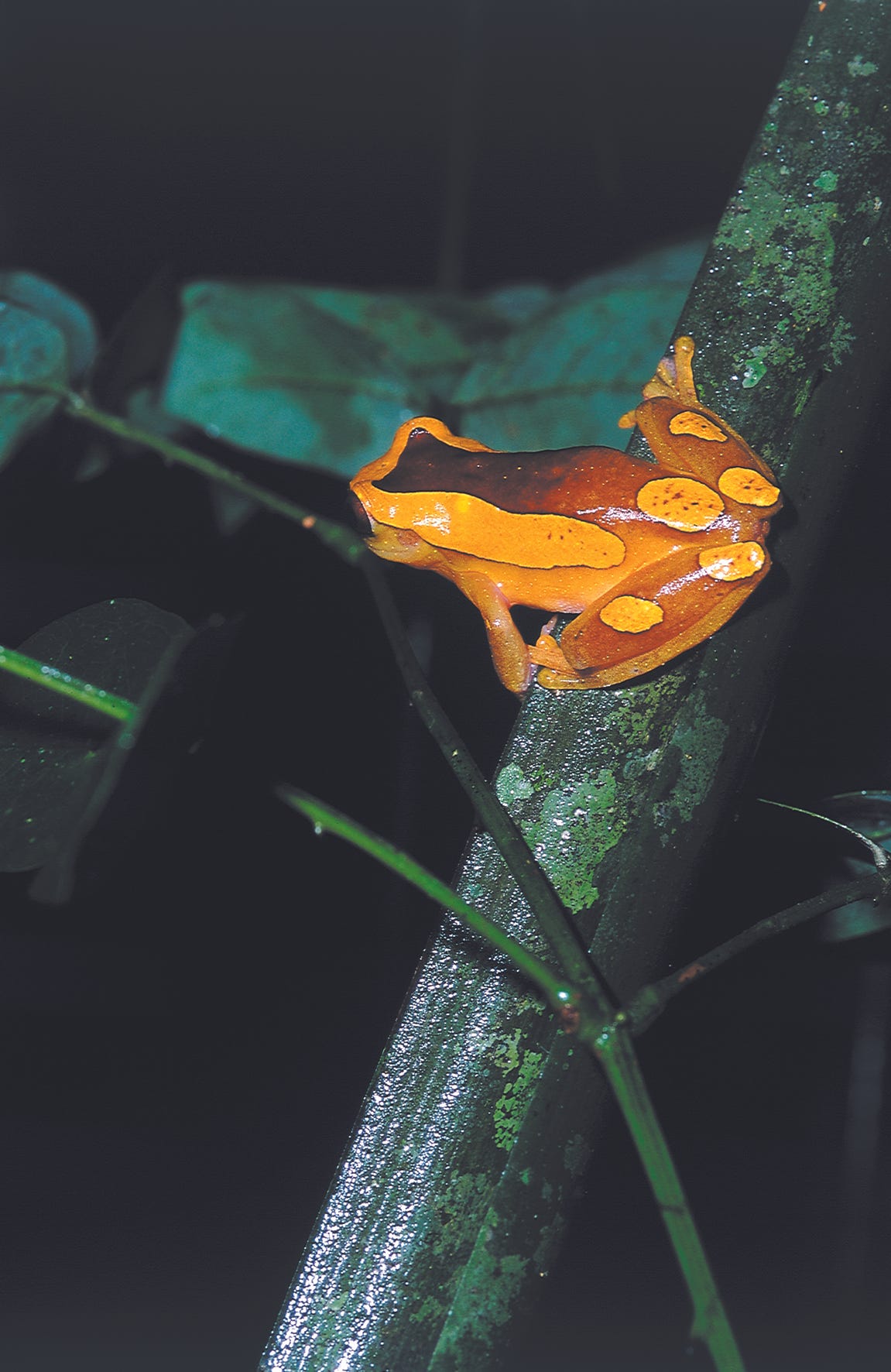
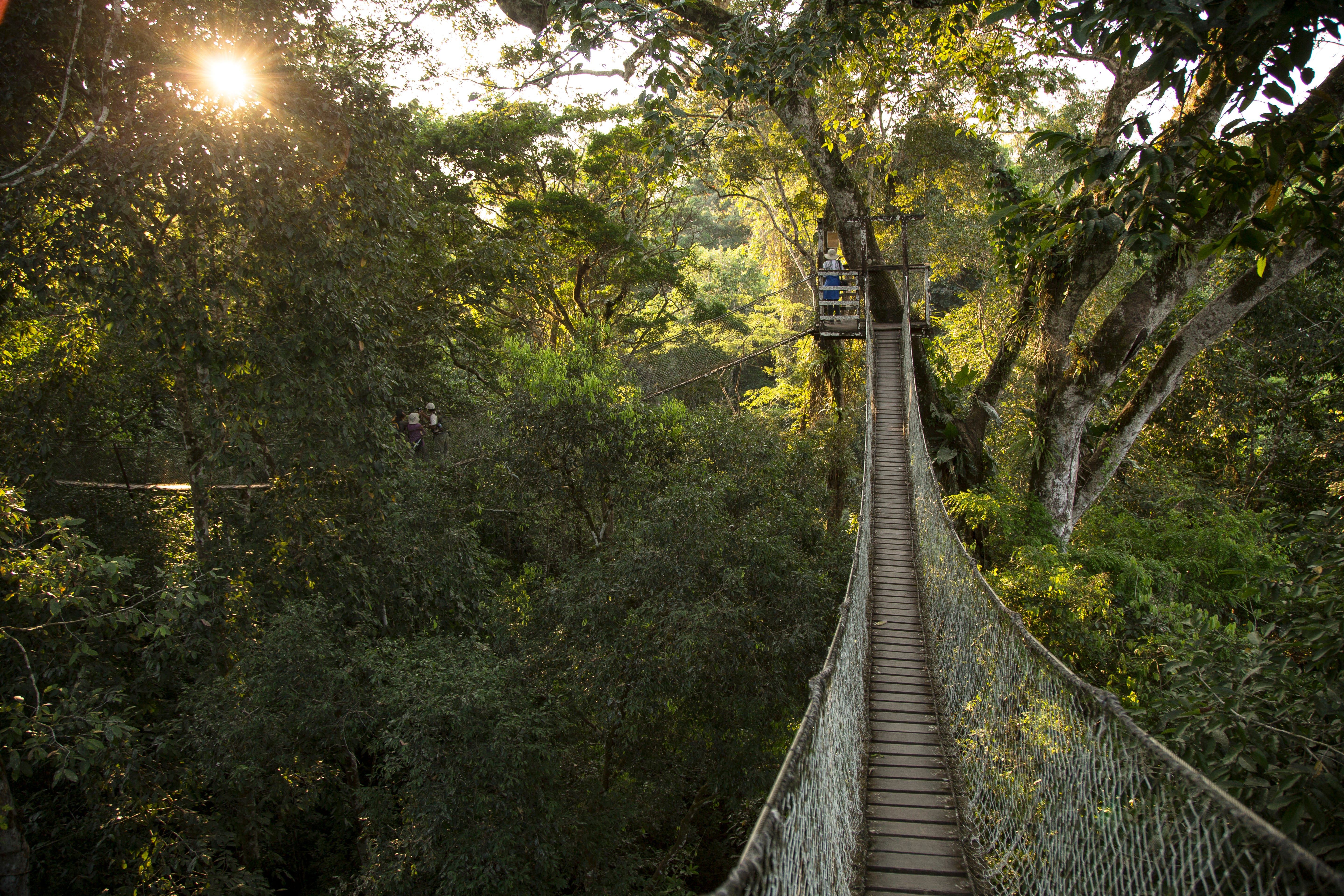
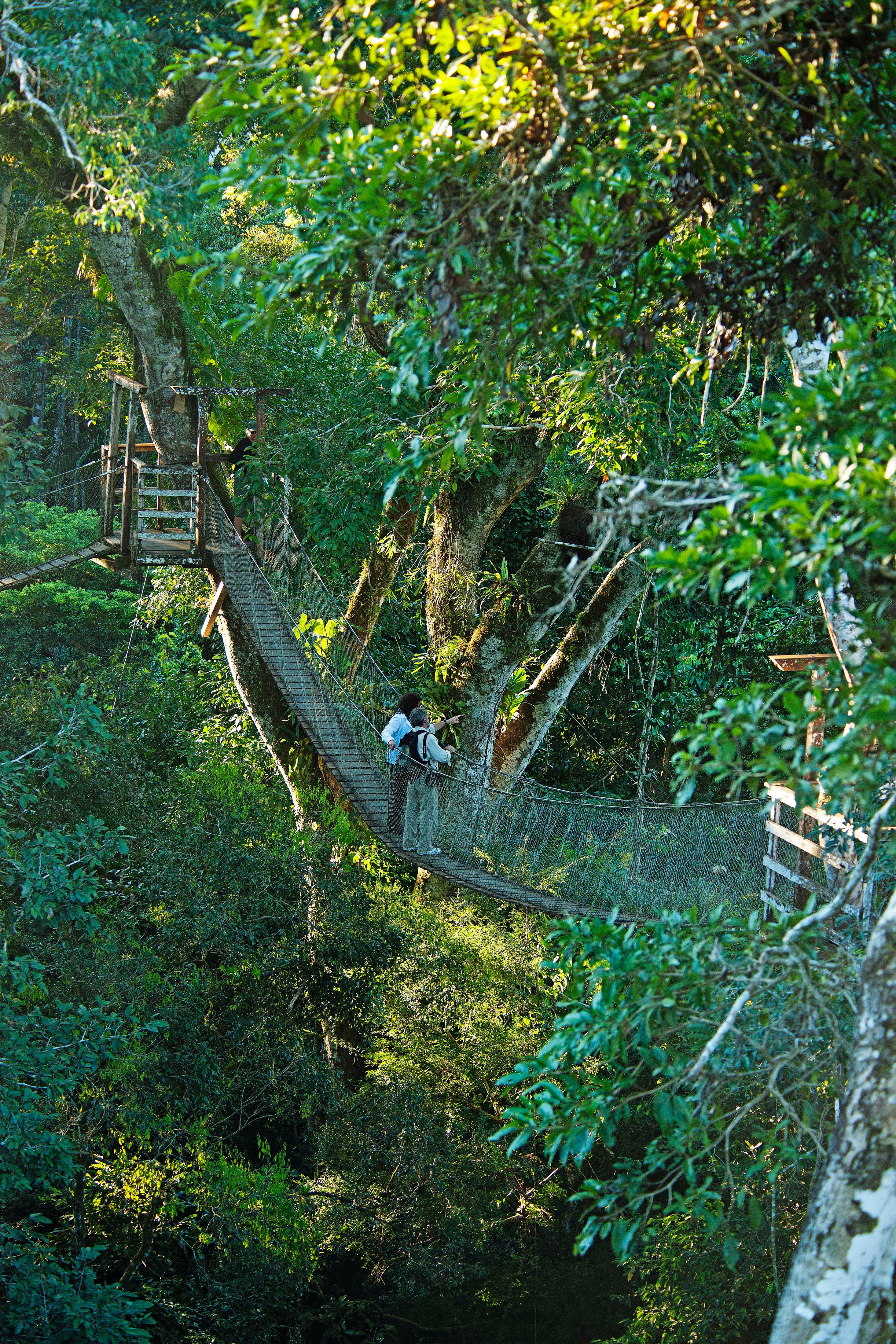
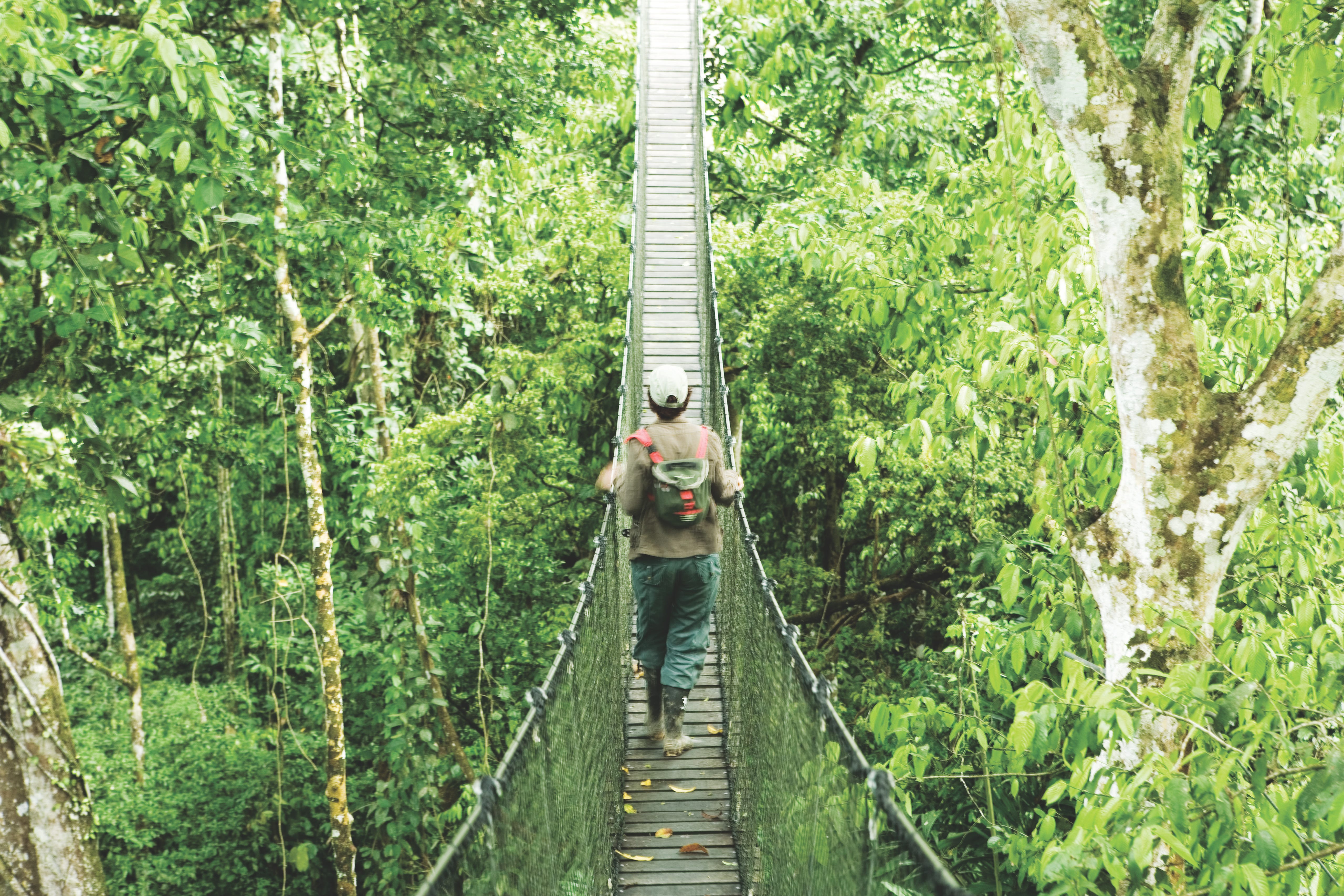
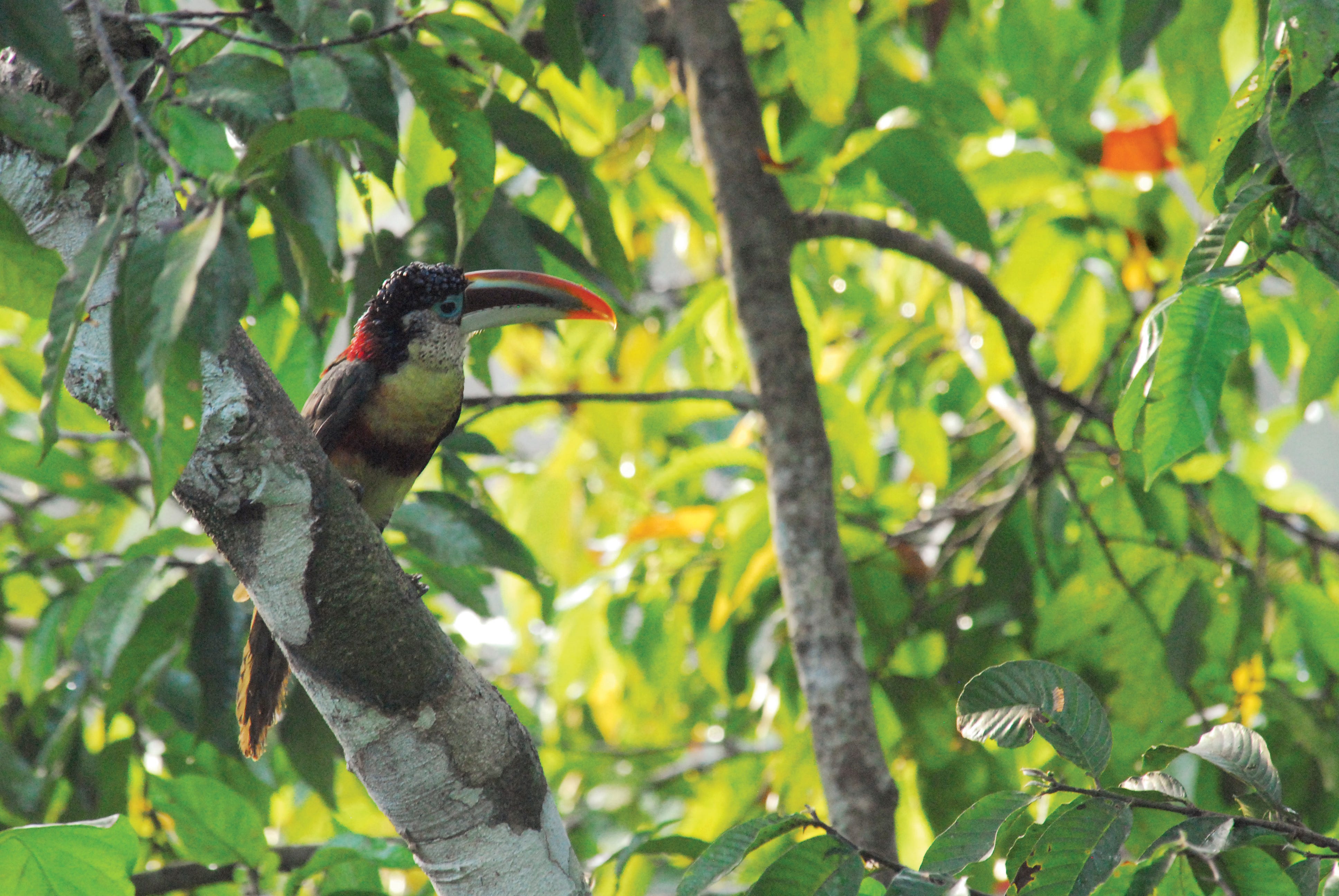
The sheer number of species I observed on my guided birdwatching tour would have a Home Counties twitcher spinning out. The next day, I walked the lodge’s canopy walkway, one of the longest in South America. Suspended 40m above the forest floor, I watched, agog, as a troop of rowdy Black-Capped Capuchins passed, smashing through branches, punching fruit into their mouths. A pair of King Vultures perched at a distance, but the Jabiru Stork – the tallest flying bird in South America – will live longest in my memory. I joined a night walk after dinner, where torches picked out the glinting eyes of caimans and the flash of bioluminescent fungi.


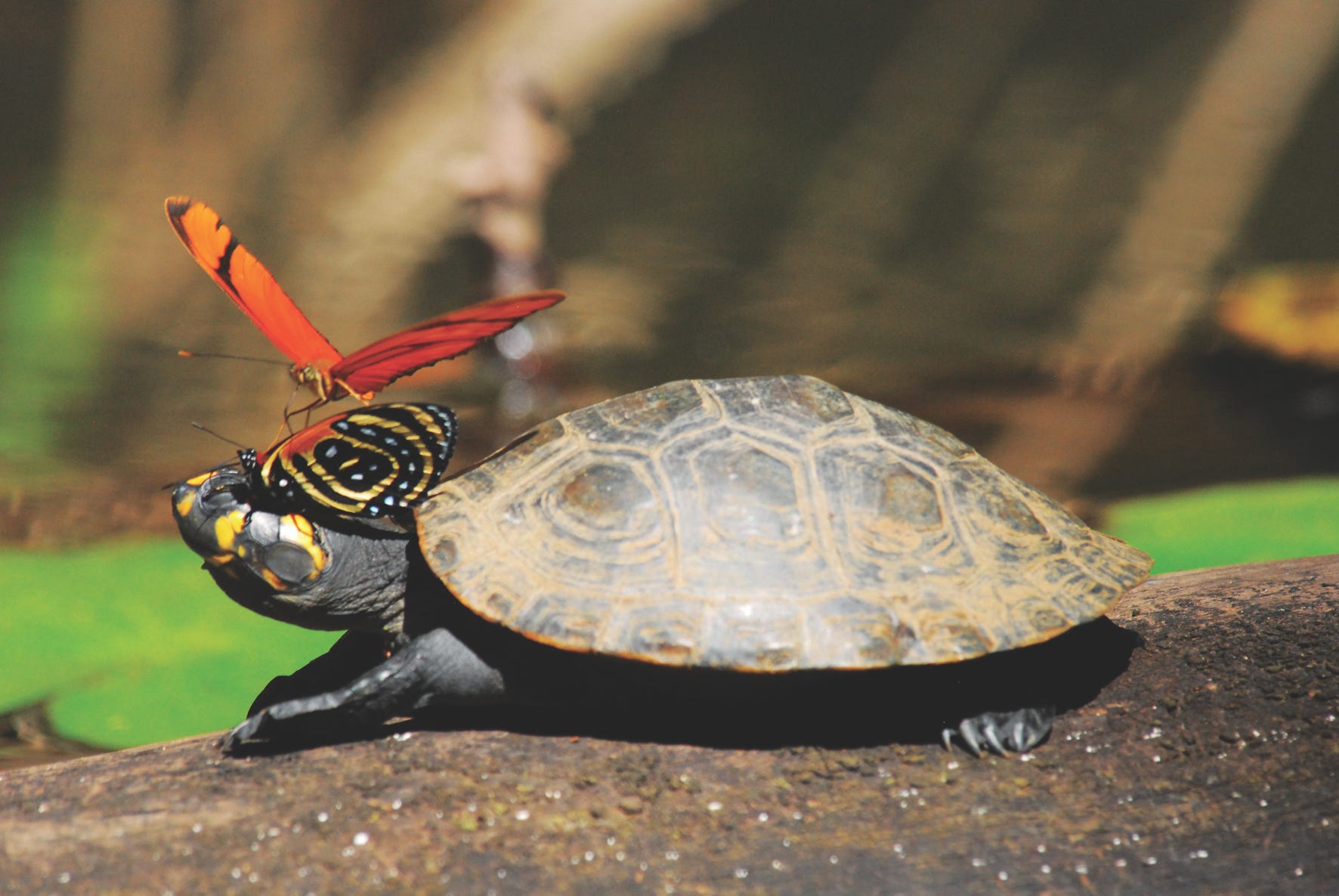
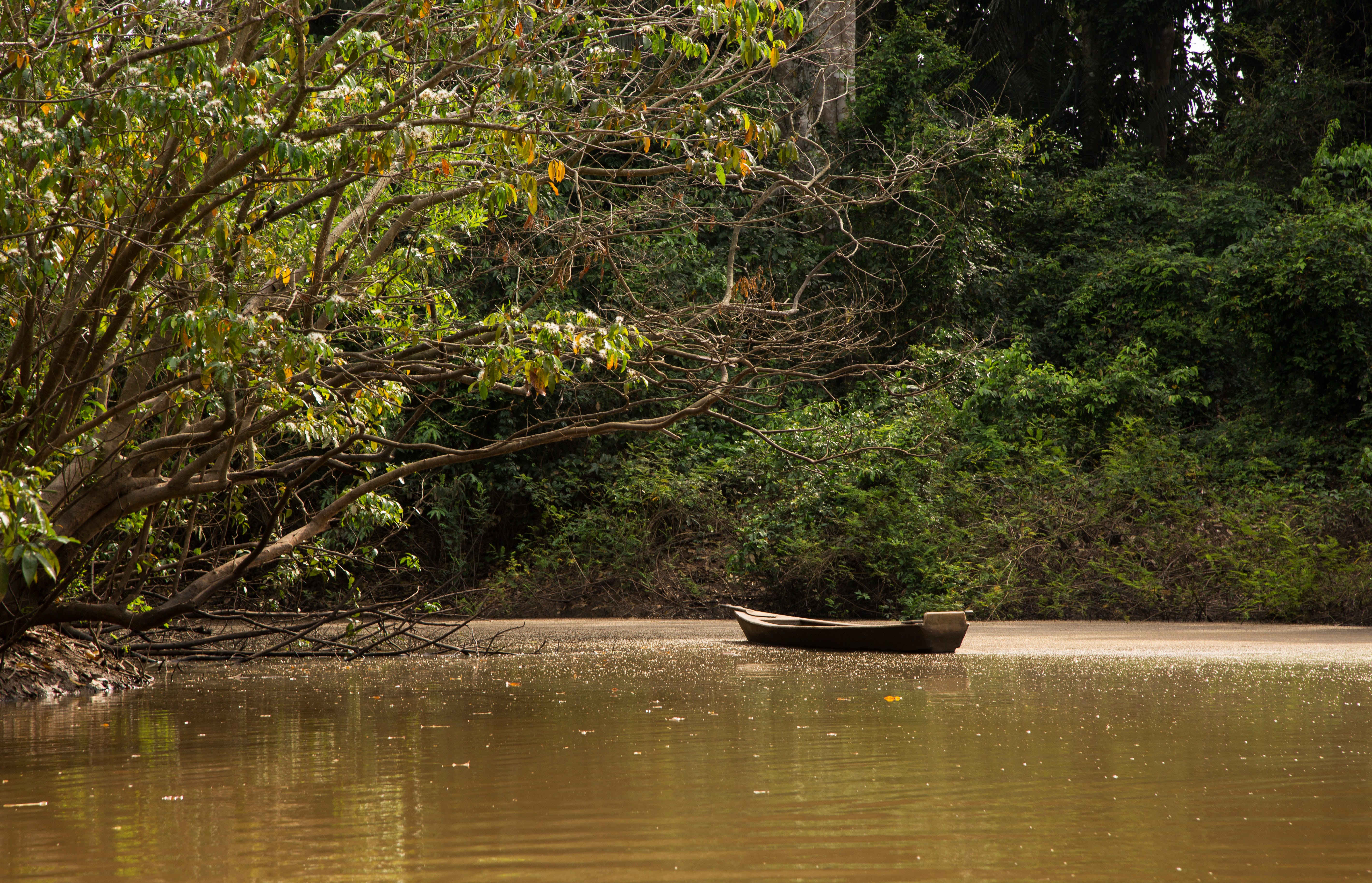
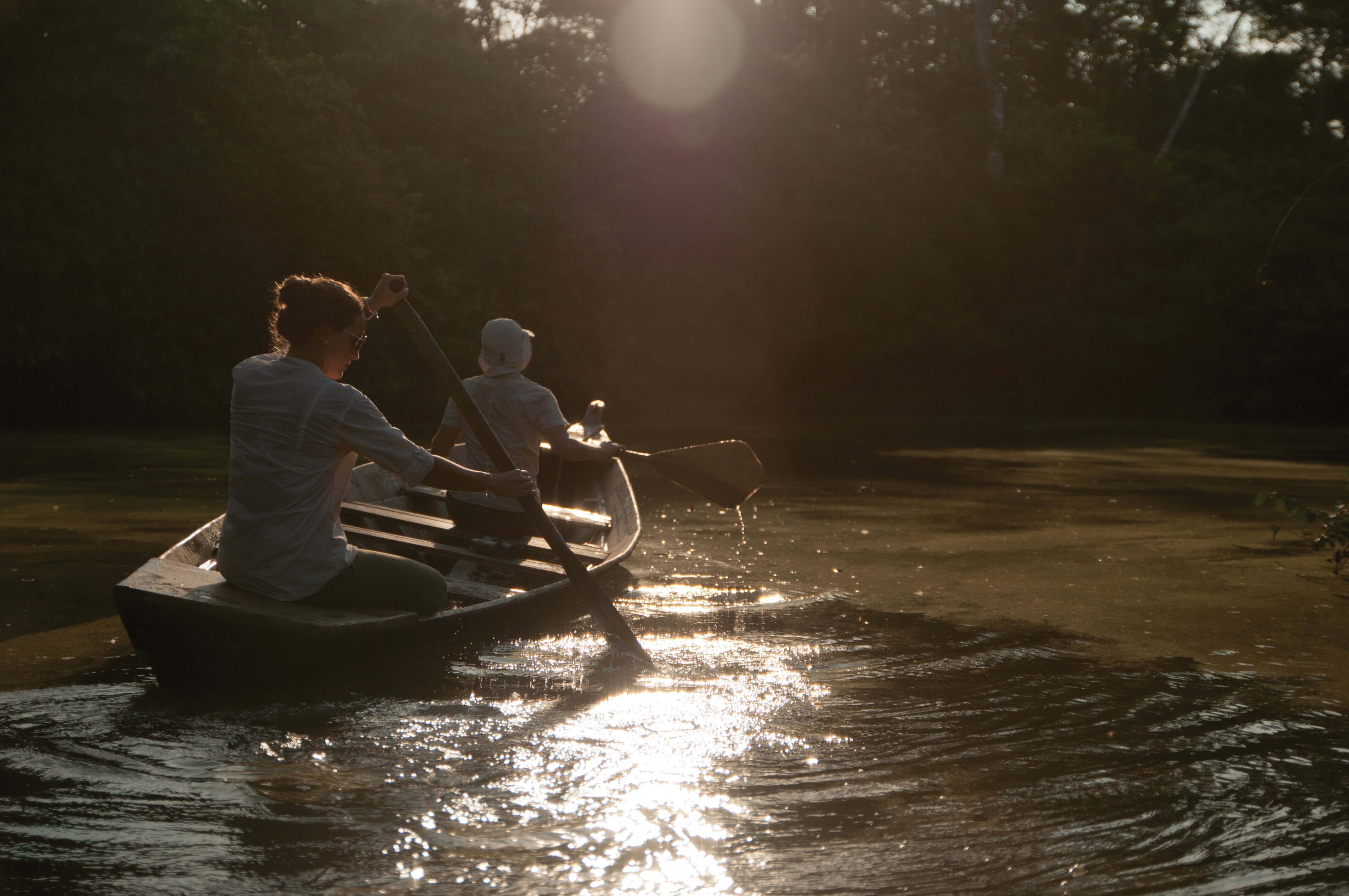
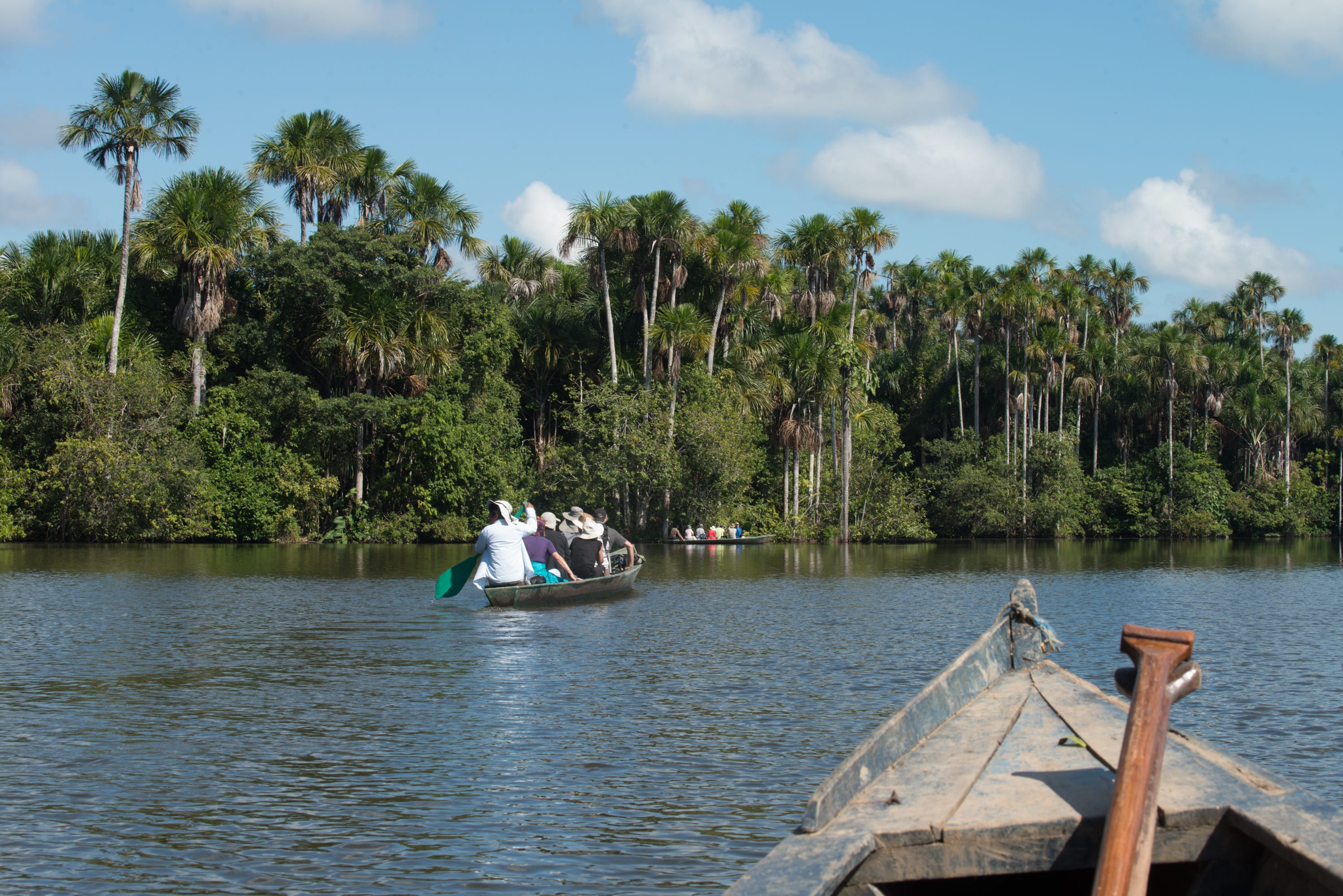
My final stop, just down the river, was Inkaterra Hacienda Concepción. Another boat tour of a nearby lagoon introduced me to taricaya turtles basking in the shallows and red howler monkeys who looked on, lugubrious and suspicious. We passed an abandoned boat, a relic, I was told, from the filming of Werner Herzog’s Fitzcarraldo, that fever-dream movie about dragging a steamship over a mountain.
Another night walk reinforced the rainforest’s inherent strangeness. Under torchlight, tarantulas and acid-green snakes emerged that had been invisible by day. My guide pointed the former out in tree hollows, their leg-span wide enough to make my knees tingle. “The rainforest doesn’t sleep, it just shifts its players,” he said.
On the boat home, I read of Inkaterra’s most recent collaboration with the Smithsonian Conservation Biology Institute. Since 2023, they’ve been creating a 70,000-hectare forest corridor in the Madre de Dios region, aimed at maintaining landscape connectivity between protected areas, ensuring the free movement of wildlife and the preservation of biodiversity.
So, after two weeks of guilt-washing my trip with the comfort of conservation, I feel a touch less existential about long-haul travel. One simply has to pick better hosts. And besides, my next trip is to Devon, so that makes me a good person. Right?